




The Science of Sweet vs. Spicy
What makes one pepper a sweet, crunchy snack and another a fiery challenge? It all comes down to a chemical compound called capsaicin. Peppers that produce capsaicin are 'hot' chillies, while those that do not are considered 'sweet' peppers. The heat
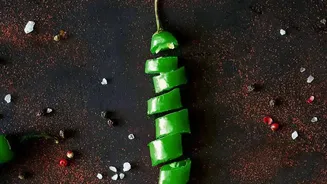
of a chilli is measured on the Scoville Heat Units (SHU) scale. A bell pepper, or capsicum, has zero SHU, while a jalapeño sits around 2,500-8,000 SHU. The capsaicin is most concentrated in the pepper's inner white pith and ribs, not just the seeds. For a milder kick from a hot pepper, you can remove these parts before cooking.
The Sweet and Mild Crew
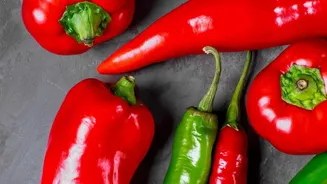
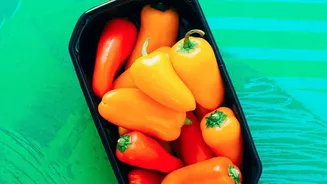
The most common sweet pepper is the bell pepper, known as capsicum in India. These are the only members of the pepper family that contain no capsaicin. They are sold in various colours, which indicate their stage of ripeness. Green capsicums are harvested earliest and have a slightly bitter, tangy flavour. As they mature, they turn yellow, orange, and finally red, becoming progressively sweeter in the process. Their thick flesh makes them perfect for stuffing, stir-frying in vegetarian noodle dishes, or adding a fresh crunch to salads. Another mild variety is the Bhavnagri chilli, often used for stuffed pepper dishes like Bharwa Mirch due to its gentle spice level.
Everyday Heat: The Kitchen Workhorses
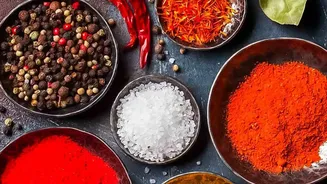
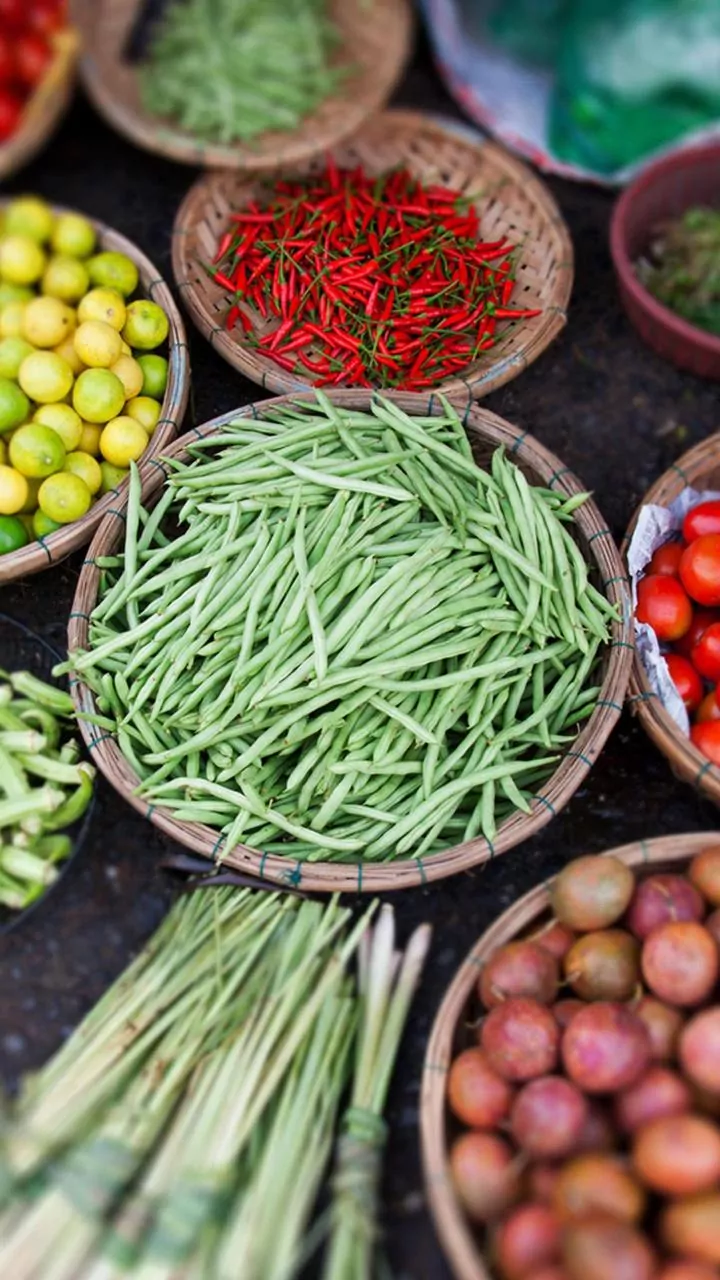
For daily cooking that requires a noticeable but not overwhelming heat, most Indian kitchens rely on a few key varieties. The Jwala, a bright green chilli popular in Gujarat, is a common choice for adding a pungent, sharp bite to dishes. Fresh green chillies are often used in chutneys, thrown whole into dals and curries, or finely chopped for tadkas. For red chilli powder, the Guntur Sannam from Andhra Pradesh is a pantry staple. With a heat level of around 30,000-50,000 SHU, it provides significant spiciness and is the backbone of many curries, sauces, and pickles across India. It is prized for delivering clean heat without an overpowering colour.
Colour and Flavour, Not Just Fire
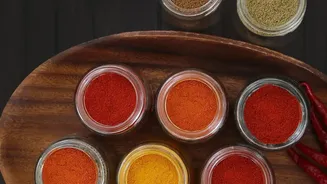
Sometimes, the goal is not heat but a vibrant colour and subtle flavour. This is where the Kashmiri chilli shines. With a very mild rating of 1,000-2,000 SHU, it is used almost exclusively for the deep, rich red colour it imparts to dishes like vegetarian rogan josh or tandoori paneer marinades. You can use a significant amount of Kashmiri chilli powder to achieve a restaurant-quality red gravy without making the dish too spicy. Another variety known for its colour is the Byadgi chilli from Karnataka. It has a distinctive wrinkled skin and provides a deep red shade with a smoky, sweet flavour, making it a favourite in many South Indian preparations like sambar and bisi bele bath.
Handle with Extreme Care: The Super-Hots
At the very top of the heat scale are the 'super-hot' peppers, most famously the Bhoot Jolokia, or Ghost Pepper, from Northeast India. Once holding the world record for the hottest chilli, it boasts a staggering SHU rating of over 1 million. This is not a chilli for everyday cooking. Its intense, searing heat is used in very small quantities to make fiery pickles and hot sauces. Despite the volcanic heat, it has a surprisingly fruity and smoky flavour. Due to its potency, it is recommended to wear gloves when handling fresh Bhoot Jolokia to avoid skin irritation.