

The Nutritional Power of Millets
Long before refined wheat flour became a pantry staple, Indian households relied on a variety of millets. Ragi (finger millet), jowar (sorghum), and bajra (pearl millet) are now making a well-deserved comeback, and for good reason. These grains are nutritional
powerhouses, packed with dietary fibre that aids digestion and keeps you feeling full longer. They are naturally gluten-free and have a lower glycaemic index compared to refined grains, which helps in managing blood sugar levels more effectively. Millets are also rich in essential minerals. Ragi is an excellent source of calcium, crucial for bone health, while bajra provides iron and magnesium, and jowar is a good source of protein and B vitamins.
Getting to Know Your Flours
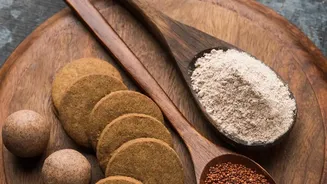
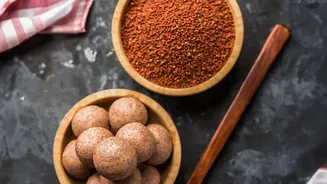
Each millet flour has a unique character that can enhance your sweets. Ragi flour has a distinct earthy, nutty flavour and a deep colour that lends itself well to ladoos and halwas. Jowar flour is more neutral and versatile, making it an excellent, soft-textured substitute in recipes where you don't want an overpowering grain flavour, such as in barfis or pancakes. Bajra flour has a slightly nutty taste and is known for its warming properties, making it a traditional favourite for winter sweets like halwa, sheera, or sweet rotis. Understanding these profiles is the first step to successful substitution.
Smart Substitution Strategies
Replacing refined flour with millet flour isn't always a one-to-one swap, but a few tips can ensure success. If you're new to millet flours, start by substituting just 25-30% of the refined flour in your recipe. You can gradually increase the proportion as you get accustomed to the taste and texture. Since these flours are gluten-free, they behave differently. For baked goods like cookies or cakes, combining millet flour with other flours like almond or oat flour can improve structure. Millet flours, especially bajra and jowar, often require hot or warm water to form a soft, pliable dough for preparations like sweet rotis or theplas. For sweets like halwa, roasting the millet flour in ghee is a crucial step to remove any raw taste and develop a rich, nutty aroma.
Perfect Pairings: Sweets and Millets
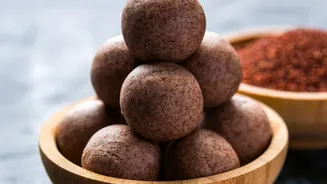
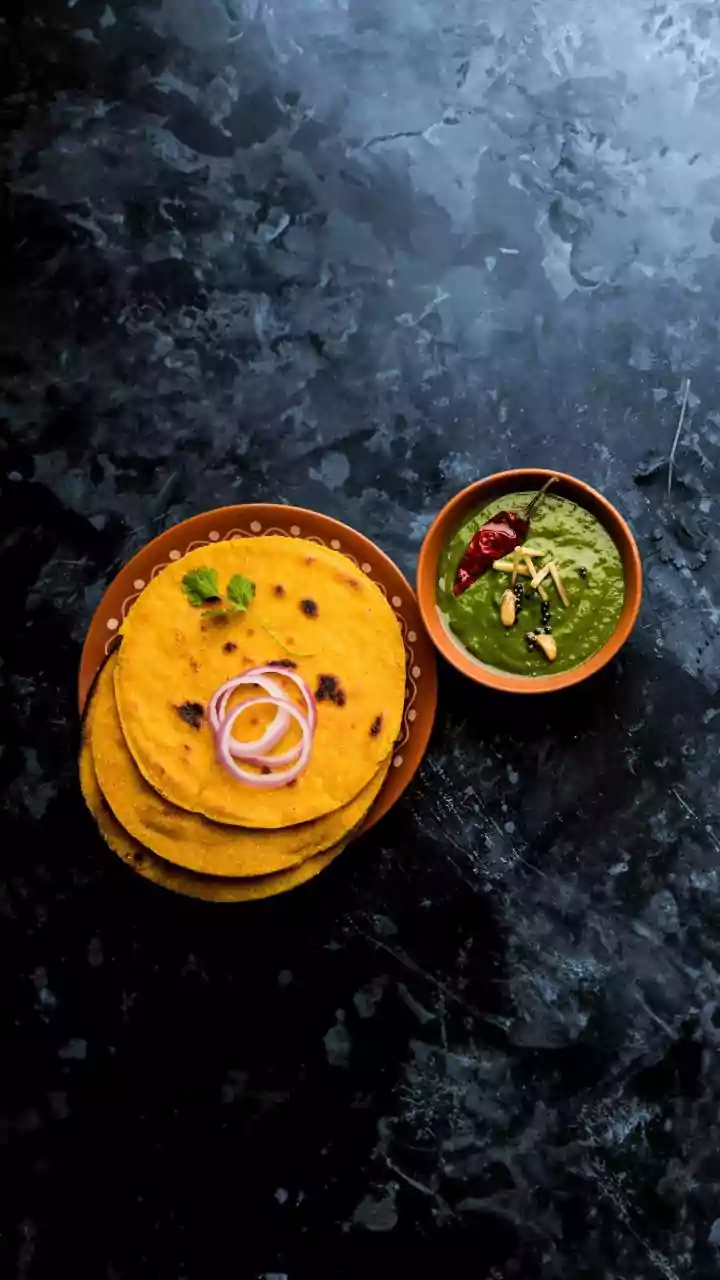
Certain sweets are particularly well-suited for a millet makeover. Ragi Ladoos, made by roasting ragi flour and combining it with jaggery, nuts, and ghee, are a classic and nutritious treat. Similarly, Ragi Halwa offers a wholesome twist on the traditional sooji version. Jowar flour shines in recipes like Jowar Ladoos, often mixed with dates, coconut, and nuts, sometimes requiring no ghee at all. It can also be used to make a creamy halwa or sheera. Bajra is famously used to make a rich, dark halwa, slow-roasted in ghee and sweetened with jaggery for an intense, caramel-like flavour. It's also excellent for making ladoos or rustic sweet flatbreads known as maleeda.
Enhancing Flavours Naturally
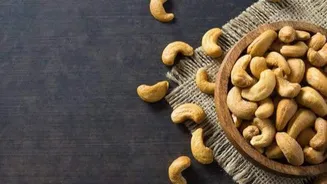
To complement the earthy tones of millet flours, switch from refined sugar to natural sweeteners. Jaggery is a fantastic partner for all three millets, adding a molasses-like depth and its own mineral benefits. Spices like cardamom, nutmeg, and dry ginger powder work beautifully, especially with bajra and ragi. The addition of nuts and seeds not only provides a wonderful crunch and texture but also boosts the nutritional value of your sweets. Consider adding roasted peanuts, almonds, walnuts, or sesame seeds to your millet-based ladoos and barfis for a more complex and satisfying treat.