






August: A Late and Risky Sowing Window
The primary sowing window for most Kharif crops falls in June and early July, timed with the arrival of the southwest monsoon. Sowing in August is considered late and carries inherent risks. The remaining monsoon period is shorter, which means crops have
less time to mature before the rains withdraw. This makes the choice of crop and seed variety incredibly important. Farmers who missed the earlier window due to a delayed monsoon start or those looking to cultivate a second crop must now make strategic decisions based on the water available to them. The success of a late-sown crop almost entirely depends on the moisture in the soil and the rainfall expected in August and September.
Reading the Local Rain Gauge
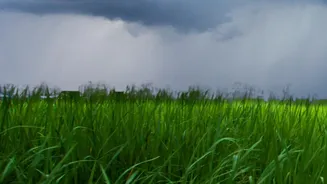
National weather forecasts provide a broad picture, but for August sowing, local conditions are paramount. Farmers must assess the rainfall their specific area has received since June. Has the cumulative rainfall been deficient, normal, or in surplus? Areas with a deficit need crops that can survive on less water, while surplus areas might face issues of waterlogging. According to meteorological reports for 2026, rainfall has been uneven, with some regions in central India receiving surplus rain while parts of the south and northeast face deficits. This variability means a one-size-fits-all approach is doomed to fail. The key is to select crops that align with the on-ground reality of soil moisture and the immediate rainfall forecast for the next 30-45 days.
Seed Choices for Rain-Deficient Areas
In regions experiencing a rainfall deficit, the focus must shift to drought-resistant and short-duration varieties. These crops can mature quickly, making the most of the limited available moisture. Millets like pearl millet (bajra) and finger millet (ragi) are excellent choices, as they are hardy and have low water requirements. Pulses such as green gram (moong), black gram (urad), moth bean, and horse gram (kulith) are also highly suitable. These crops not only provide a quick harvest but also contribute to soil health by fixing nitrogen. Government agencies and agricultural universities are actively promoting these contingency crops in districts where the monsoon has been weak, urging a shift away from water-intensive options like rice and sugarcane.
Options for Regions with Adequate Rainfall
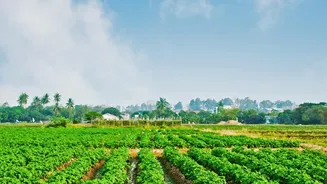
Farmers in areas blessed with normal or surplus rainfall have a different set of choices and challenges. While water is available, the shorter time frame for maturation remains a constraint. In these regions, short-duration varieties of traditional Kharif crops can be viable. For instance, instead of long-duration paddy, farmers can opt for direct-seeded, shorter-cycle rice varieties that can be harvested by October. Maize is another robust option that performs well, provided the fields are not heavily waterlogged. For some, this period is also suitable for planting certain vegetables like tomatoes, gourds, and beans, which thrive in the humid conditions and can offer quick returns. However, care must be taken to ensure proper drainage to prevent root rot in saturated soils.
Beyond Seed: Supportive Farming Practices
Successful August sowing isn't just about picking the right seed. It must be supported by intelligent farming practices. Intercultural operations like hoeing can create a 'dust mulch' on the soil surface, which helps break the crust and conserve moisture by reducing evaporation. For areas with limited water, adopting micro-irrigation techniques like drip or sprinkler systems can make a significant difference, ensuring water is used efficiently. Furthermore, diversifying by planting multiple crops (intercropping) can help manage risk; if one crop fails due to weather aberrations, the other might survive. Staying updated with advisories from local Krishi Vigyan Kendras (KVKs) and agricultural departments is crucial for making timely and informed decisions.