





The Spreading Threat of Salty Soil
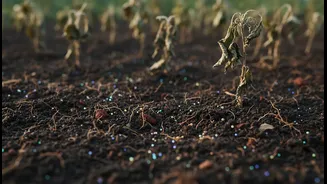
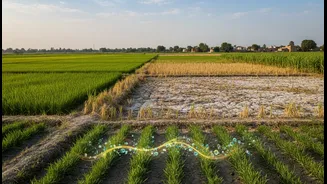
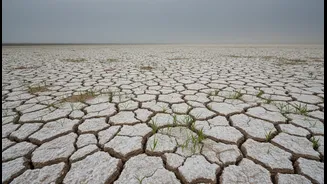
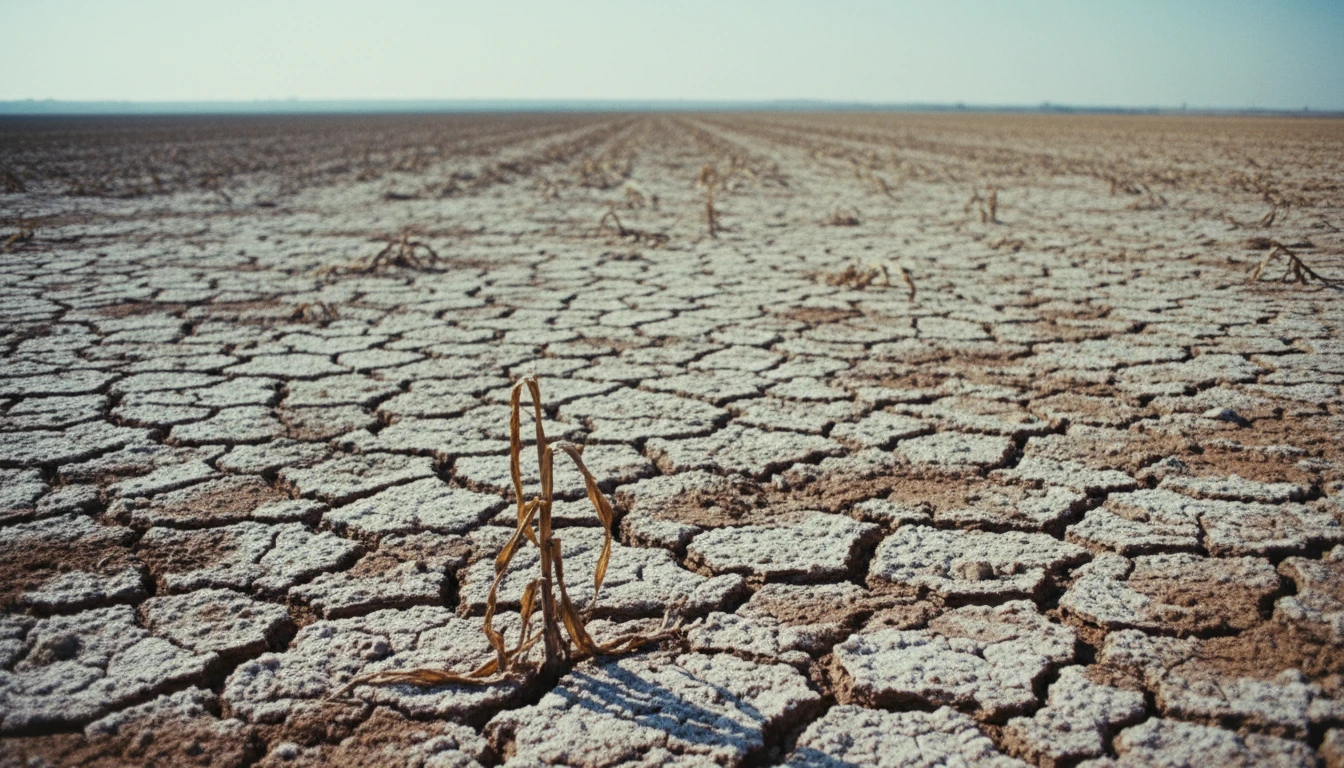
Soil salinisation is a slow but relentless process that poses a significant challenge to India's agriculture. It occurs when soluble salts accumulate in the top layer of soil to levels that are toxic for most crops. This can happen naturally in arid and
coastal regions, but human activities are accelerating the problem. Decades of irrigation without adequate drainage, overuse of certain chemical fertilisers, and changing weather patterns, including rising sea levels and erratic rainfall, all contribute to salt buildup. Across India, an estimated 6.73 million hectares of land are affected by salinity, leading to drastically reduced crop yields and substantial economic losses. For farmers, this translates to falling incomes, rising debt, and the heartbreaking sight of once-productive fields becoming unusable.
Nature's Tiny Allies
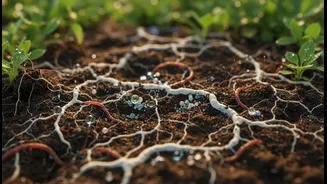
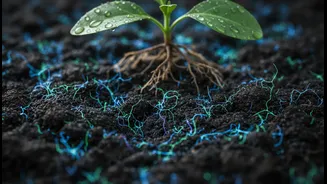
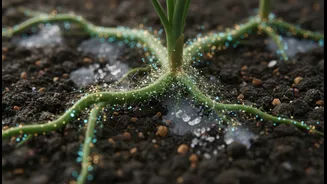
In the face of this large-scale problem, scientists are turning to a microscopic solution: beneficial soil microbes. These microorganisms, particularly a group known as Plant Growth-Promoting Rhizobacteria (PGPR), are naturally found in the soil around plant roots. Some of these bacteria are 'halotolerant' or 'halophilic', meaning they are naturally adapted to thrive in high-salt environments. Researchers across India, from institutes like the Indian Council of Agricultural Research (ICAR) to various agricultural universities, are isolating and studying these salt-loving microbes. The goal is to harness their natural abilities to create powerful bio-inoculants—formulations of living bacteria that can be applied to seeds or soil to help crops flourish even in salty conditions.
How Microbes Work Their Magic
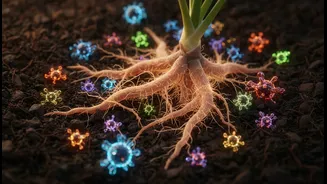
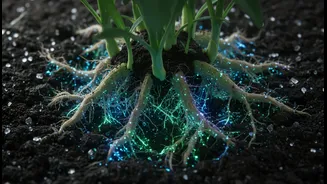
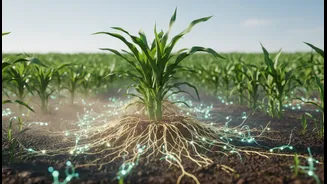
These beneficial bacteria act as a plant's personal support system in a stressful, salty environment. Their methods are complex and multifaceted. Firstly, they can produce plant hormones like auxins, which stimulate stronger and deeper root growth, helping plants find water and nutrients. They also help plants manage salt-induced stress by producing an enzyme called ACC deaminase, which lowers the plant's stress ethylene levels, preventing growth inhibition. Furthermore, these microbes can improve nutrient availability by fixing atmospheric nitrogen and solubilizing minerals like phosphorus that are otherwise locked up in the soil, effectively acting as natural bio-fertilisers. Some bacteria even create a protective biofilm around roots or produce compounds that bind salt ions, reducing their uptake by the plant and shielding it from harm.
From the Lab to the Land
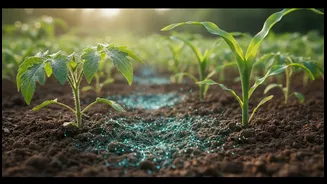
The journey from discovering a useful microbe to getting it into a farmer's hands involves rigorous research and testing. Scientists first isolate bacteria from saline soils, screening thousands of candidates to find the most effective ones. Promising strains are then tested in greenhouse and field trials on crops like wheat, rice, and mustard to confirm their ability to improve growth and yield under saline conditions. Studies have shown remarkable results, with inoculated plants showing better growth, higher nutrient uptake, and increased yields compared to untreated plants in the same salty soil. The focus now is on developing these microbes into low-cost, easy-to-use products that can be seamlessly integrated into existing farming practices.
The Promise for Indian Farmers
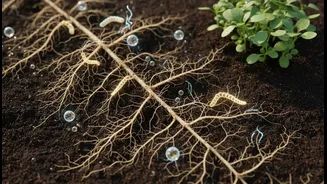
The potential benefits of this microbial technology for Indian agriculture are immense. By enabling crops to grow on previously unproductive saline lands, it could significantly boost the nation's food production and enhance food security. For farmers, it offers a sustainable and cost-effective way to reclaim their fields, improve crop yields, and reduce their reliance on expensive chemical fertilisers. This eco-friendly approach not only helps restore the health of the soil but also improves its structure and water retention over time. It represents a shift towards a more resilient and self-sufficient agricultural model, where farmers work in partnership with nature's invisible workforce to overcome environmental challenges.