







The 7kg Winter Challenge
Most budget airlines in India and abroad impose a strict 7kg limit for cabin baggage. This is more than enough for a summer trip, but winter packing is a different beast. Sweaters, jackets, and boots are heavy and take up significant space, making it feel
impossible to stay within the limit without sacrificing warmth or style. This is where most travellers falter, either overpacking and paying hefty fees for check-in luggage or under-packing and shivering through their holiday. The secret isn't to pack less, but to pack smarter. By prioritising items that serve multiple purposes, you can build a versatile wardrobe that is both warm and lightweight.
Embrace the Power of Layering
The single most effective strategy for lightweight winter packing is layering. Instead of a single, heavy coat, a system of layers offers better temperature regulation and versatility. Start with a moisture-wicking base layer to keep your skin dry. Materials like merino wool are excellent as they are warm, breathable, and naturally odour-resistant, meaning you can wear them multiple times. Follow this with a mid-layer for insulation, such as a lightweight fleece or a thin down vest. Your outermost layer, or shell, should be a windproof and waterproof jacket that can be packed down small. This three-part system allows you to add or remove layers as conditions change, ensuring you’re comfortable both indoors and out.
Choosing Your Multi-Functional Heroes
Multi-functional gear is the star of a minimalist winter wardrobe. Look for pieces that can do double or even triple duty. A 3-in-1 jacket, which combines a waterproof outer shell with a detachable insulated liner, is a prime example. You can wear the liner on its own on a cool day, the shell as a raincoat, or both together for maximum warmth. Another hero item is convertible hiking pants that zip off into shorts, though for most winter trips, a better choice is smart trousers in a neutral colour that can be dressed up for a nice dinner or down for a day of sightseeing. Even a large, high-quality scarf can serve as a wrap on a chilly evening, a blanket on the plane, or a colourful accessory to liven up a neutral outfit.
Focus on High-Performance Fabrics
The material of your clothing is critical when weight is a concern. Ditch bulky cotton and opt for modern technical fabrics and superior natural fibres. Merino wool, cashmere, and alpaca offer exceptional warmth for their weight and are highly breathable. Synthetic options like fleece provide great insulation, are lightweight, and dry quickly. Packable down or synthetic-fill jackets offer the best warmth-to-weight ratio for outerwear and can often compress into a tiny pouch. By choosing items made from these materials, you can pack clothing that provides serious warmth without the associated bulk and weight of traditional winter fabrics like thick wool or denim.
Smart Packing Techniques
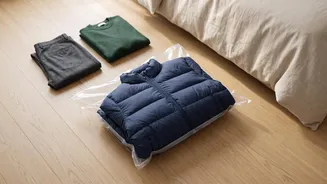
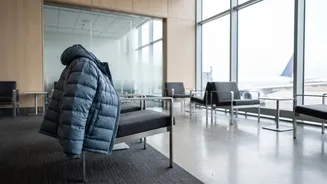
How you pack is as important as what you pack. Rolling your clothes tightly instead of folding them can save a significant amount of space. Packing cubes, especially compression cubes, are a game-changer, helping you organise your bag and squeeze the air out of bulky items like fleece jackets and sweaters. Always wear your heaviest and bulkiest items on the plane. This includes your winter coat, scarf, and boots. Airlines only weigh your bag, not what you're wearing, and this simple trick can free up a kilogram or more of precious luggage space. Finally, be ruthless about what you pack. Stick to a simple, neutral colour palette so that every item can be mixed and matched to create multiple outfits.