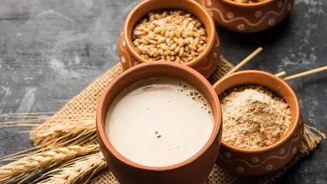








A Taste of Tradition
Long before kombucha became a buzzword, there was Ambali. Known as Ragi Koozh or Ragi Java in different regions, this traditional beverage has been a nourishing staple in South India, particularly in states like Karnataka, Tamil Nadu, and Andhra Pradesh,
for generations. At its core, Ambali is a simple porridge made from ragi (finger millet) flour and water, which is then allowed to ferment overnight. Historically, it was the breakfast of farmers and labourers, valued for its ability to provide sustained energy and act as a natural body coolant during scorching summer days. This humble, slightly sour, and earthy gruel was a symbol of rustic sustenance, often enjoyed with buttermilk, salt, and perhaps a small onion or pickle on the side.
The Ragi Nutritional Advantage
The foundation of Ambali is finger millet, one of the most nutritious grains. Ragi is a natural powerhouse, celebrated for being an excellent plant-based source of calcium, crucial for bone health. It is also packed with dietary fibre, which promotes a feeling of fullness, aiding in weight management and ensuring a healthy digestive system. Additionally, ragi is rich in iron, protein, and essential amino acids like Tryptophan, which can act as a natural relaxant. Being naturally gluten-free, it is an excellent option for individuals with gluten intolerance or celiac disease. Its low glycemic index helps in regulating blood sugar levels, making it a suitable choice for those managing diabetes.
The Magic of Fermentation
What elevates Ambali from a simple porridge to a superfood is the fermentation process. When the ragi mixture is left to sit overnight, it encourages the growth of beneficial bacteria, turning the drink into a potent, natural probiotic. These probiotics, primarily from the Lactobacillus family, are essential for maintaining a healthy gut microbiome, which is linked to improved digestion, stronger immunity, and overall well-being. Fermentation also works to break down anti-nutrients like phytates found in the grain. This process enhances the bioavailability of minerals such as calcium, iron, and phosphorus, meaning your body can absorb these vital nutrients more easily. The result is a drink that's not only nutritious but also easier to digest.
From Village Staple to Urban Elixir
The shift from a farmer's meal to a trendy urban beverage is a recent phenomenon. As city dwellers become increasingly conscious of gut health and seek out natural, traditional wellness solutions, Ambali has found a new, appreciative audience. In cities like Bengaluru and Chennai, it's not uncommon to see street vendors selling glasses of this cooling porridge to morning commuters. Beyond the streets, health-conscious cafes and wellness-focused restaurants are adding Ambali to their menus, often giving it a modern twist. It might be served chilled in a stylish glass, infused with herbs, or sweetened with jaggery instead of the traditional salt and buttermilk. This contemporary makeover is making the ancient drink more accessible and appealing to a younger generation that values both authenticity and modern aesthetics.
More Than Just a Health Trend
The growing popularity of Ambali is more than just a fleeting wellness trend; it signifies a deeper cultural shift. It represents a collective desire to reconnect with ancestral wisdom and embrace the simple, sustainable foods of our past. In a world saturated with processed foods and complex supplements, the appeal of a straightforward, natural, and time-tested recipe is undeniable. Ambali stands for a return to foods that are not only good for the body but also for the soul, carrying with them stories of tradition and a connection to the land. It’s a reminder that sometimes, the most powerful health solutions are the ones that have been quietly waiting in our own kitchens for centuries.