

From After-Dinner Habit to Wellness Ritual
Mukhwas, derived from the words ‘mukh’ (mouth) and ‘vas’ (smell), has long been cherished as a traditional mouth freshener and digestive aid in Indian households and restaurants. Historically, these blends were simple combinations of seeds like fennel
and sesame, often coated in sugar. However, as urban lifestyles evolve and wellness takes centre stage, this humble after-meal custom is transforming. A new crop of artisanal brands is reimagining mukhwas, stripping it of artificial colours and refined sugars, and repositioning it as a functional, healthy snack. This evolution mirrors a larger shift in the Indian food landscape, where consumers are increasingly scrutinising labels and seeking products that align with their health goals.
The New Philosophy: Roasted, Not Sugared
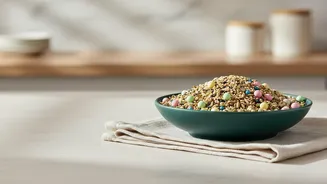
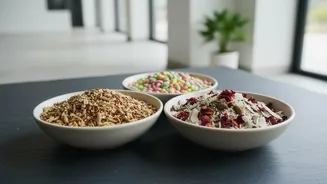
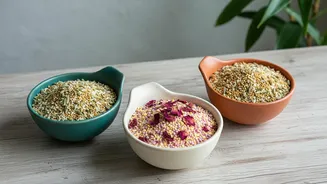
The core difference in modern mukhwas lies in its ingredient list. The focus has shifted decisively from sweet, candy-coated fennel to a more robust and nutritious mix of roasted seeds. Brands are now championing blends that include flax, pumpkin, sunflower, chia, and melon seeds alongside traditional fennel and sesame. Roasting these seeds enhances their natural, nutty flavours without the need for added sugar, making them diabetic-friendly and low in calories. This new formula is rich in dietary fibre, antioxidants, and beneficial omega-3 fatty acids, turning a simple palate cleanser into a guilt-free, nutrient-dense bite that supports gut health and digestion.
Pure Extracts and Clean Labels
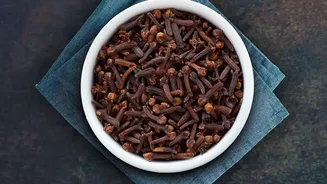
Beyond just removing sugar, artisanal makers are committed to using pure and natural ingredients across the board. Artificial colours and flavours are being replaced with natural extracts and whole spices like cardamom and clove. Some brands even offer paan-flavoured mixes that use real betel leaf extract and gulkand (rose petal jam) instead of synthetic substitutes. This commitment to 'clean labels' is a direct response to the demands of urban consumers, who are more informed than ever and prefer products that are non-GMO, organic, and free from artificial additives. The packaging has also received a makeover, with sleek jars and resealable pouches that speak to a modern aesthetic while ensuring freshness and hygiene.
Meet the Modern Mukhwas Makers
This trend is being driven by a new generation of entrepreneurs who are passionate about reviving traditional products with a contemporary, health-forward twist. Brands like Joyspoon, which gained national attention on Shark Tank India, are on a mission to organize the largely unstructured mukhwas market with a focus on quality and branding. Others, like Vamukh, are creating premium 'wellness' blends inspired by Ayurvedic principles, while family-run businesses such as Handful of Health are scaling up age-old recipes for a wider audience. These brands are leveraging e-commerce and direct-to-consumer (D2C) models to reach urban audiences directly, telling a compelling story of tradition meeting modern wellness.
The Urban Consumer Driving the Change
So, why is this happening now? The reinvention of mukhwas is perfectly timed with the rise of the health-conscious Indian urbanite. Faced with demanding lifestyles, this demographic is proactively seeking ways to integrate wellness into their daily routines. They are willing to pay a premium for products that are natural, high-quality, and offer functional benefits. For this consumer, a spoonful of artisanal mukhwas is more than just a mouth freshener; it's a small, mindful choice that aligns with a broader lifestyle centred on clean eating and preventive health. It represents a way to honour a beloved tradition without compromising on modern wellness values.