
More Than Just a Condiment
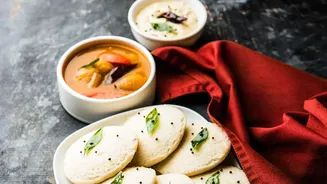
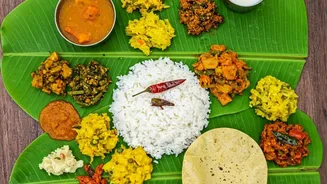
In India, a pickle is far more than a tangy side; it is a vital part of the culinary fabric. Whether it's the fiery kick accompanying a simple dal and rice or the complex sweetness balancing a rich curry, 'achar' is fundamental to an Indian thali. These
preserves originated as a practical way to enjoy seasonal fruits and vegetables year-round. Today, they represent a kaleidoscope of regional identity, with recipes passed down through generations, each telling a story of local climate, produce, and culture. From the oil-heavy pickles of the North to the vinegar and brine-based varieties in the South, the diversity is staggering.
A Journey Across India's Pickle Map
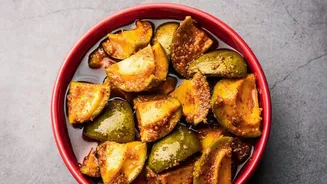
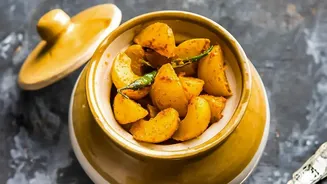
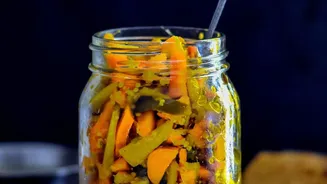
Embarking on a tour of India's pickles reveals a vast landscape of flavours. In the North, mustard oil is king, forming the base for robust mango, mixed vegetable, and stuffed red chilli pickles. Head west to Gujarat, and you'll find the famous 'Chundo,' a sweet and tangy grated mango relish, and the savory 'Gorkeri'. The South offers a completely different profile, often using sesame oil and bold spices. Andhra Pradesh is legendary for its fiery 'Avakaya,' a mango pickle coated in a potent blend of mustard and chilli powder. Kerala is known for its lime and tamarind pickles, while the Northeast experiments with unique ingredients like bamboo shoots and the formidable 'Bhoot Jolokia' chilli.
The Science of Fermentation
At the heart of traditional Indian pickling is the science of fermentation. This isn't about simply soaking vegetables in vinegar. Instead, it relies on a process called lacto-fermentation. Good bacteria, naturally present on fruits and vegetables, convert sugars into lactic acid. This acid is a natural preservative that prevents the growth of harmful bacteria responsible for spoilage. Salt plays a crucial role by drawing out moisture from the produce, creating a brine that protects the fermenting vegetables and inhibits spoilage microbes. Oil, particularly mustard oil in many regions, acts as a seal, creating an anaerobic environment that further safeguards the pickle. The sun-drying method, used in many traditional recipes, reduces moisture content, extending shelf life and allowing the ingredients to better absorb the spices.
A Practical Guide to Safe Home Pickling
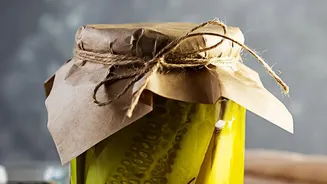
Making pickles at home is a rewarding process, but safety is paramount. Always start with clean, sterilized glass or ceramic jars; avoid metals that can react with the acids. Use fresh, high-quality produce and wash it thoroughly. When a recipe calls for salt, use pickling or canning salt, as table salt contains anti-caking agents that can make your brine cloudy. Be precise with measurements, as the ratio of salt, acid, and vegetables is crucial for preservation. During fermentation, keep the container at a stable room temperature, ideally between 70-75°F, and away from direct, harsh sunlight. It is normal to see some scum form on top; simply skim it off with a clean spoon. However, if your pickle develops a bad odor, becomes slimy, or shows signs of fuzzy mold, it is best to discard it.