


The Allure of the Imported Brand
Walk into any trendy urban café, and you might feel a sense of déjà vu. The minimalist décor, the specific shade of green on the walls, and a menu featuring quinoa salads, matcha lattes, and sourdough sandwiches. This isn't a criticism of those foods;
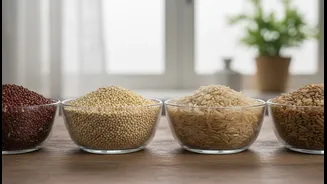
it's an observation of a pattern. This is "imported lifestyle branding" in action. It's the adoption of food not just for its taste or nutritional value, but for the global, aspirational identity it represents. The craze for Peruvian quinoa, for example, took hold in health-conscious Indian circles, often positioned as a superior alternative to traditional grains. This trend isn't about culinary exchange; it's about the cultural cachet that comes with consuming what is popular in the West, often at a premium price and with a significant carbon footprint.
The Quiet Strength of Local Grains
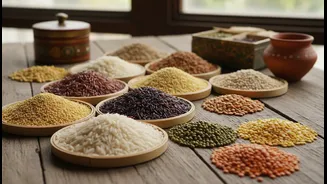
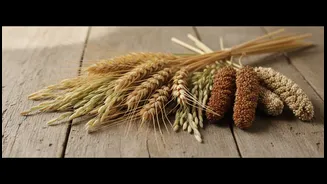
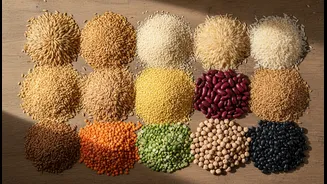
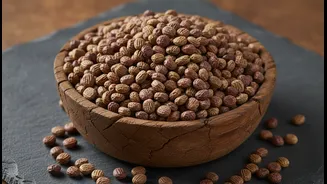
The irony of the quinoa craze is that India has always had its own array of 'superfoods'. Millets, for instance, have been a staple for thousands of years. These resilient grains were pushed to the margins by the Green Revolution's focus on wheat and rice, becoming unfairly associated with poverty. Yet, a nutritional comparison shows they often outperform their imported counterparts. Finger millet, or ragi, contains nearly seven times more calcium than quinoa. Pearl millet (bajra) is far richer in iron. Millets also have a lower glycemic index, making them better for blood sugar management. And because they are adapted to local climates, they require less water and support the livelihoods of small farmers, strengthening local economies and food security.
Beyond Nostalgia: Innovation with Indigenous Ingredients
Championing local food isn't about rejecting modernity or retreating into a purely traditional past. In fact, some of India's most exciting culinary innovation is happening right now, driven by chefs who are rediscovering the nation's immense biodiversity. Chefs like Varun Totlani at Mumbai's Masque and Prateek Sadhu at Naar in Kasauli are building entire menus around hyper-local, indigenous ingredients, from Himalayan sea buckthorn to once-forgotten wild greens. They forage for ingredients, work directly with farmers, and use modern techniques to present Indian flavours in a new light. This approach proves that true creativity isn't about importing ideas, but about exploring the richness of what's already here. It's an adaptation that is confident, original, and deeply rooted in place.
What True Adaptation Looks Like
A food culture is a living thing; it has always adapted by absorbing new influences. Chillies and potatoes, now essential to Indian cooking, were themselves imports centuries ago. But there's a difference between organic integration and wholesale branding. True adaptation is about making something your own, not just consuming it as a status symbol. The strongest, most resilient food culture is one that understands its own value. It's a culture where traditional knowledge is respected, where farmers are valued, and where the food on our plate tells a story about our own land. Embracing our local food systems—from the humble dal to the diverse family of millets—is not just a matter of taste or nutrition. It is an act of cultural and ecological self-assurance.