






The End of the One-Job Room
Not long ago, a bedroom was for sleeping, a living room for relaxing, and a dining room for eating. That reality is fading fast. Driven by the rise of remote work, smaller average apartment sizes, and the desire for a more flexible lifestyle, urban homes
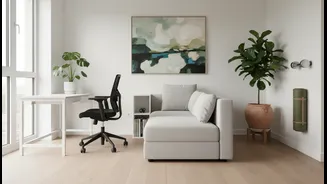
are now expected to perform multiple roles. Your dining table is a conference desk from 9 to 5, your living room corner is a yoga studio for 30 minutes each morning, and the guest room is now a permanent home office that needs to quickly convert back when family visits. This shift was accelerated dramatically by the pandemic, which served as a massive stress test for static home layouts and cemented the need for spaces that can pivot on demand. What started as a temporary adjustment has now become a core expectation for modern urban living.
From Clever Hack to High Design
This move toward multifunctionality is no longer just about buying a foldable table or a sofa-bed. It has evolved into a full-fledged design principle embraced by architects, interior designers, and furniture makers. The market is responding with increasingly sophisticated solutions. Think sliding partitions that can divide an open-plan layout, murphy beds that reveal a built-in desk, and modular furniture systems that can be reconfigured as needs change. In Indian cities like Mumbai and Bengaluru, where space is a premium, designers are focusing on maximizing every square foot with purpose. This includes using vertical space with floor-to-ceiling shelves, creating hidden storage within furniture, and using visual cues like rugs and lighting to create distinct 'zones' without building permanent walls. The focus is on making adaptability an integrated, seamless feature, not a clumsy afterthought.
Flexibility as Essential Infrastructure
The most significant change is psychological: we are beginning to view adaptability not as a bonus, but as essential infrastructure, as fundamental as plumbing or electricity. A home's value is increasingly tied to its flexibility. Architects are now designing buildings with modular internal layouts and movable service units containing kitchens and bathrooms that allow the main living area to be completely redefined over time. Developers, responding to homebuyer demand, are marketing 'flex spaces' as a key feature. This means that instead of buying a fixed 2-BHK, a buyer might be looking for a home with one bedroom and a second 'flexible' room that can serve as an office, nursery, or den as their life evolves. This marks a transition from seeing our homes as static containers to viewing them as dynamic platforms for living.
The Indian Context: Balancing Tradition and Modernity
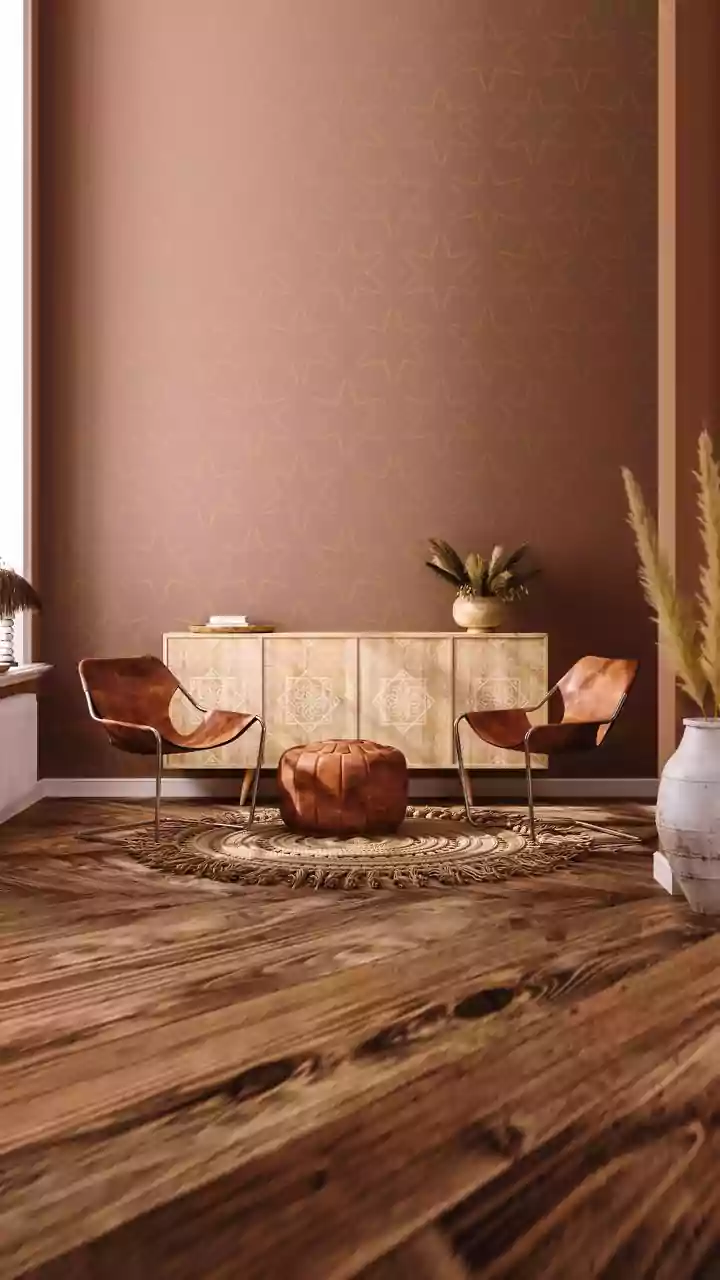
In India, this trend takes on a unique flavour. Our homes have always been somewhat multifunctional, accommodating festivals, guests, and the fluid dynamics of family life. The current trend, however, formalizes this with smart design. For instance, the need to balance a professional video call with the sounds of a family household has increased the demand for better acoustics and designated quiet zones. Interior designers are blending modern, minimalist aesthetics with traditional Indian elements, creating spaces that are both globally functional and culturally rooted. Multifunctional furniture that combines craftsmanship with innovative mechanics is becoming especially popular. The goal is to create a home that respects family life while providing the necessary boundaries and tools for professional productivity.
What's Next for the Adaptable Home?
The future of urban housing will be defined by this principle of flexibility. We can expect to see more residential projects offering apartments with movable walls or semi-enclosed kitchens as standard. Smart home technology will play a huge role, with automated lighting and temperature controls that adjust based on the room's current function. As this trend matures, real estate listings may stop defining homes by rigid bedroom counts and instead start highlighting their potential for adaptation. The home of the future won't be measured just by its square footage, but by its ability to transform, reflecting the fluid, multifaceted nature of modern urban life. The most valuable space will be the one that can change with you.