
What Exactly is Akwete?
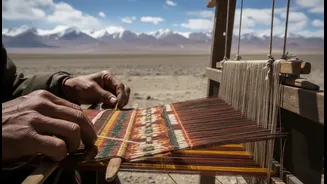
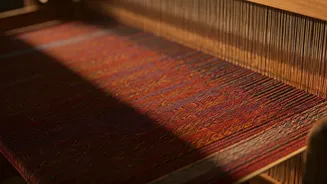
Akwete is a unique handwoven textile from the Igbo town of Akwete in Abia State, Nigeria. Unlike the more widely known strip-woven cloths, Akwete is produced on a wide, upright loom, traditionally operated by women. This allows for the creation of large,
seamless panels of fabric, a distinguishing feature of the craft. The base material is typically cotton, but the magic lies in the supplementary weft threads—often thicker or more colourful yarns—that weavers meticulously manipulate by hand to create intricate, brocade-like patterns. These designs are not merely decorative; they are a complex language of symbols and stories. Weavers claim to have a repertoire of over a hundred motifs, with some patterns historically reserved for royalty or special ceremonies. The most prestigious motif, 'ikaki' (tortoise), was once reserved exclusively for royal use.
Woven by Women, Rooted in History
The story of Akwete is inseparable from the women who weave it. For generations, the skill has been passed down from mother to daughter, often starting when a girl is just seven or eight years old. This tradition turned what was once a part-time activity into a full-time occupation for many women by the late 19th century. Legend credits a weaver named Dada Nwakwata with revolutionizing the craft. Inspired by imported textiles she saw through trade, she began to unravel them to understand their construction and then innovate new, complex designs of her own. This act of creative deconstruction laid the foundation for the diverse and elaborate patterns Akwete is known for today, establishing it as a symbol of female entrepreneurship and artistic genius. Weavers believe that motifs are sometimes revealed in dreams, granting the creator an unwritten copyright to the new design.
From Tradition to Global Trend
So why is Akwete suddenly entering the global craft conversation? The resurgence is part of a larger movement celebrating indigenous crafts and sustainable, ethically made goods. But it has been significantly accelerated by Nigerian fashion designers who are championing the textile on international stages. Brands like Emmy Kasbit and Hertunba are reinterpreting Akwete for a modern audience, transforming the traditional wrappers into tailored jackets, architectural gowns, and chic two-piece sets. This was powerfully demonstrated in 2018 when former British Prime Minister Theresa May wore a jacket made by Emmy Kasbit during a visit to Nigeria, putting the fabric in the global spotlight. Celebrities like Funke Akindele and author Chimamanda Ngozi Adichie have also been seen wearing modern Akwete designs, further boosting its visibility.
The Threads of the Future
The newfound popularity of Akwete brings both opportunity and challenges. For designers, the fabric's sturdiness and rich texture make it ideal for structured, high-fashion garments. For the weavers, it offers economic potential and a chance to share their heritage with the world. However, the craft faces hurdles. The weaving process is time-consuming and labour-intensive; a single piece can take weeks to complete, which is a hallmark of its luxury status but a challenge for modern production timelines. There are also concerns about preserving the authenticity of the craft and ensuring that the economic benefits flow back to the weaving communities in Abia State. Some designers report challenges in establishing a reliable supply chain, with a few weavers being hesitant to cede creative control. Despite these issues, the revival is a powerful force, with initiatives at Nigerian universities now teaching the craft to a new generation, ensuring that this vital cultural legacy continues to evolve.