




An Introduction to the 'Forbidden Kingdom'
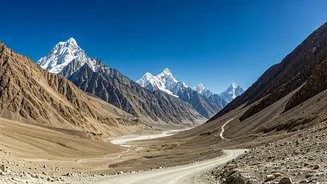
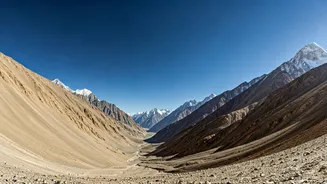
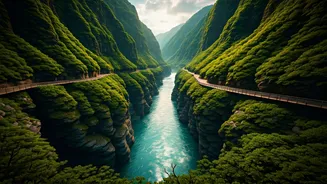
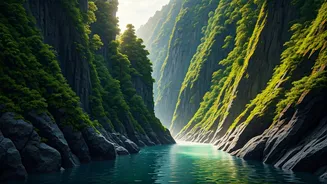
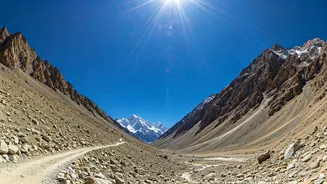
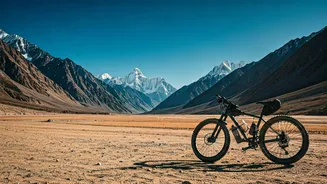
Tucked away in the Indian Himalayas, Zanskar is a high-altitude desert valley that was, until recently, one of the most inaccessible places on Earth. A subdistrict of Kargil in Ladakh, it’s a land of stark, lunar landscapes, turquoise rivers, and ancient
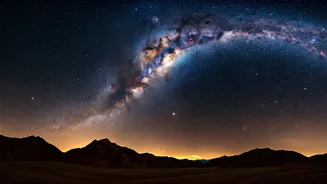
Buddhist monasteries clinging to sheer rock faces. For centuries, it was cut off from the outside world by snow-clogged passes for more than half the year, earning it a reputation as a 'forbidden kingdom.' This isolation preserved a unique Tibetan-Buddhist culture and a way of life that has remained largely unchanged for generations. The landscape is unforgiving but majestic, with peaks soaring over 20,000 feet and a silence so profound you can almost hear the stars.
Why Now? The Road to Discovery
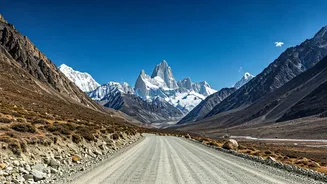
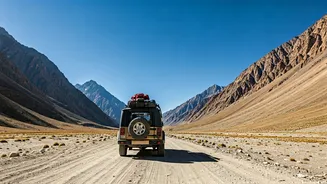
So why is this remote outpost suddenly appearing on the Instagram feeds of 20-somethings? The answer lies in a ribbon of asphalt. The recent construction of all-weather roads, particularly the new Nimmu-Padum-Darcha road, has dramatically changed the game. A journey that once required a grueling multi-day jeep trek from Leh or Manali can now be done in a single, albeit long, day. This newfound accessibility has opened the floodgates for a new type of traveler: the young backpacker hungry for raw, authentic experiences that feel earned, not just purchased. After years of travel restrictions and digital saturation, Zanskar offers the perfect antidote: a true adventure that demands resilience but rewards it with unparalleled beauty and solitude.
More Than Just a Mountain View
While the dramatic landscapes are the initial draw, what truly captivates visitors is the region's deep spiritual and cultural heritage. Zanskar is dotted with ancient 'gompas' (monasteries), some of which are centuries old. Places like Karsha, Stongde, and the astonishing Phuktal Monastery—built into the mouth of a cave and accessible only by a multi-day trek—are not just tourist sites; they are living centers of Buddhist practice. For backpackers used to more superficial travel, interacting with the warm and resilient Zanskari people, observing daily monastic life, and simply existing in a place with such profound history offers a sense of connection and perspective that is increasingly rare in the modern world.
The Backpacker's To-Do List
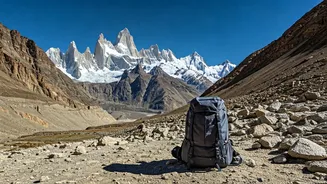
Zanskar is not a place for passive tourism. It’s a destination for doing. Trekking is the primary activity, with routes ranging from moderate day hikes to epic, multi-week expeditions that cross high mountain passes. The famous (and perilous) Chadar Trek, a winter journey over the frozen Zanskar River, has long been the stuff of adventure legend. In the summer, whitewater rafting on the Zanskar River offers a thrilling perspective on the gorge's immense scale. Otherwise, the appeal is simpler: renting a motorbike to explore the valley, visiting remote villages, and sharing cups of butter tea with locals. The ethos is about immersion and self-reliance, not catered comfort.
A Reality Check Before You Book
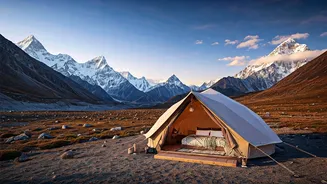
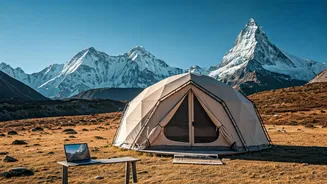
While the allure is strong, Zanskar is not for the faint of heart. The entire region lies at a high altitude, with the main town of Padum sitting at over 11,500 feet. Altitude sickness is a real and dangerous risk, requiring slow acclimatization. Amenities are basic; expect guesthouses and homestays rather than hotels, intermittent electricity, and virtually no Wi-Fi. This is the core of its appeal for many, but it's a crucial reality to prepare for. This isn't a weekend trip. It's a journey that demands respect for the environment, the culture, and your own physical limits.