

Why Batch Cooking Changes the Game
Let's be honest, after a long day, the last thing you want is to spend an hour chopping onions and sautéing masalas from scratch. But the allure of a hearty, home-cooked curry is hard to resist. This is where batch cooking comes in. By dedicating a couple
of hours over the weekend to prepare foundational curry bases, you set yourself up for incredibly fast, flavourful, and healthy meals all week long. It’s the secret that restaurants use to whip up different curries in minutes. Think of it as a meal-prep superpower: you do the main work once and reap the rewards for days. You save time, cut down on expensive takeaways, and control exactly what goes into your food. This method is not just about convenience; it’s about reclaiming your weeknights without sacrificing the taste of authentic Indian food.
The Universal North Indian 'Bhuna Masala'
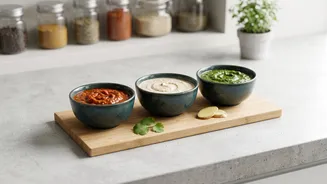
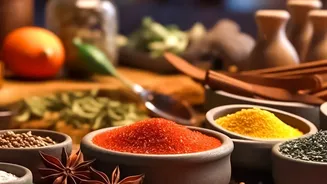
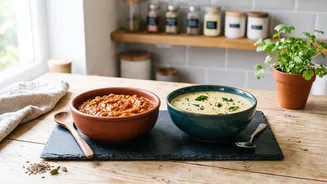
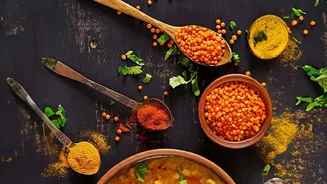
The backbone of countless North Indian dishes, from Paneer Butter Masala to Chana Masala, is the 'bhuna masala'—a slow-cooked paste of onion, tomato, ginger, and garlic. Making a large batch is simple. Start with equal parts onions and tomatoes (e.g., 1 kg each). Finely chop or grind the onions and sauté them in oil until they are deeply golden brown; this is where the flavour develops. Add ginger-garlic paste and cook for another minute until fragrant. Next, add pureed tomatoes along with your basic powdered spices: turmeric, red chilli powder, and coriander powder. Cook this mixture on low to medium heat, stirring occasionally, until the paste thickens, darkens in colour, and the oil begins to separate from the masala. This process can take 25-30 minutes but is mostly hands-off. Once cooled, this rich, aromatic base is your ticket to a quick curry any night of the week.
The Tangy South Indian 'Kuzhambu' Base
For a taste of the South, a versatile kuzhambu base is a must-have. This tangy and spicy base is foundational for dishes where you might add vegetables, lentils, or even eggs. The key ingredients are tamarind, onion or shallots (sambar onions), tomatoes, and a blend of spices. To start, soak a lemon-sized ball of tamarind in hot water and extract its juice. In a pan, heat gingelly (sesame) oil and temper it with mustard seeds and curry leaves. Sauté chopped pearl onions and tomatoes until they soften. You can then add spice powders like sambar powder or a mix of coriander, cumin, and pepper. Pour in the tamarind water, add salt, and let it simmer until the raw smell of the tamarind disappears and the gravy thickens. Some variations include a ground paste of coconut for creaminess, but a coconut-free base generally has a longer shelf life in the freezer. This base offers a completely different flavour profile—tangy, sharp, and deeply warming.
Storing Your Liquid Gold
Proper storage is crucial to making your batch-cooking efforts last. Always let your curry bases cool down completely to room temperature before storing them. Storing hot gravy can cause condensation, which leads to ice crystals and can affect the flavour. For short-term use, you can refrigerate the bases in an airtight container for up to a week. For long-term storage, freezing is your best friend. Portion the cooled base into small, convenient amounts. Ice cube trays are perfect for this; once frozen, you can transfer the cubes into a larger zip-lock bag. This allows you to grab just enough for a single meal. Alternatively, use small, freezer-safe containers or bags. Label them with the date and type of base. A well-stored base can last in the freezer for up to three months, locking in all that delicious flavour.
From Base to Brilliant Curries in Minutes
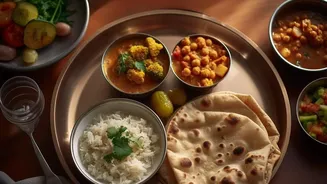
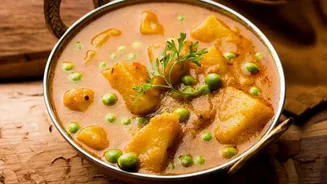
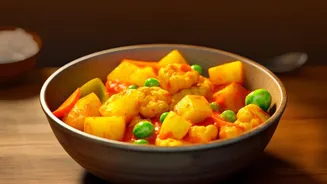
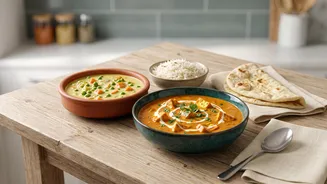
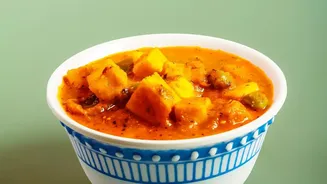
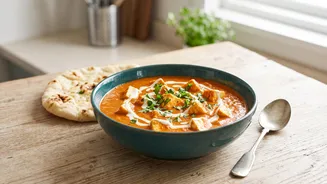
This is where the magic happens. On a busy weeknight, your dinner is just 15 minutes away. For a North Indian curry, simply heat a few tablespoons of your bhuna masala in a pan. Add your protein (cubed paneer, boiled chickpeas, chicken) or vegetables (potatoes, peas, bell peppers), stir to coat, and add a splash of water or milk to create the gravy. Simmer for 10 minutes, garnish with fresh coriander, and you're done. For a South Indian kuzhambu, heat the base, add boiled vegetables like drumsticks or brinjal, and let it simmer until the flavours meld. You can finish with a touch of jaggery to balance the tanginess or a final tempering (tadka) for an extra layer of flavour. Having these bases ready transforms cooking from a chore into a creative and speedy process.