






The Cross-Contamination You Don't See
One of the biggest risks in a shared cooler isn't warm beer; it's cross-contamination. When raw meats, like chicken for the grill, are packed alongside ready-to-drink cans and bottles, there's a serious risk. Juices from raw meat can leak and splash onto
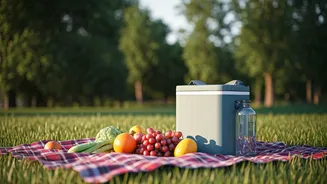
beverage containers, especially as ice melts and creates a communal pool of water. When someone grabs a can from this contaminated water, the bacteria are transferred from the can to their hands, and then to their mouth. To prevent this, food safety experts strongly recommend using separate coolers: one for perishable foods like meat and salads, and another exclusively for drinks. This simple step drastically reduces the chances of harmful bacteria like Salmonella or E. coli turning your fun day out into a sick day in.
When Plastic and Heat Don't Mix
We’ve all done it: left a plastic water bottle in a hot car, only to drink it later. However, when plastic bottles are exposed to high heat, there's a risk that chemicals can leach from the plastic into the water. Many single-use bottles are made from polyethylene terephthalate (PET), and studies have shown that heat can cause compounds like bisphenol A (BPA) and antimony to migrate into the liquid. While regulatory bodies often state the levels are typically low, prolonged or repeated exposure is a concern for many health experts. Heat also creates a perfect breeding ground for bacteria, especially in a bottle you've already sipped from. Germs from your mouth can multiply rapidly in the warm environment. The safest bet is to avoid leaving plastic bottles in hot cars and opt for reusable glass or stainless steel containers whenever possible.
The Temperature Danger Zone
Keeping drinks cold isn't just about refreshment. For some beverages, it's a critical safety measure. The 'danger zone' for bacterial growth in food and drinks is between 40°F (4°C) and 140°F (60°C). Within this range, bacteria can double in number in as little as 20 minutes. While a can of soda is shelf-stable, drinks containing dairy, fresh juices, or other perishable ingredients need to be kept at or below 40°F to remain safe. Even opened containers of pasteurized juice should be kept chilled. An appliance thermometer inside your cooler can help you monitor the temperature and ensure it stays safely below this threshold. If perishable items are left out for more than two hours (or just one hour if it's over 90°F), they should be discarded.
Smarter Packing for Safer Sipping
How you pack your cooler matters just as much as what you put in it. Start by pre-chilling your drinks in the refrigerator before they go into the cooler. This helps the ice last longer. Using two coolers—one for drinks and one for food—is the best practice to avoid cross-contamination and maintain colder temperatures for perishable food, since the drink cooler will be opened more frequently. When packing, create layers. Use frozen water bottles or block ice on the bottom, as they melt slower. Then add a layer of drinks, followed by a layer of cubed ice. Shake the cooler gently to let the ice settle into the gaps. Finally, remember that the ice sloshing around in the bottom of the cooler can be contaminated, so never use it in your drinks. If you need ice for cocktails, bring it separately in a clean, sealed bag.