



Our DNA: An Organizational Nightmare
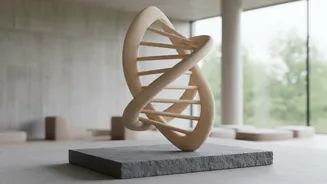
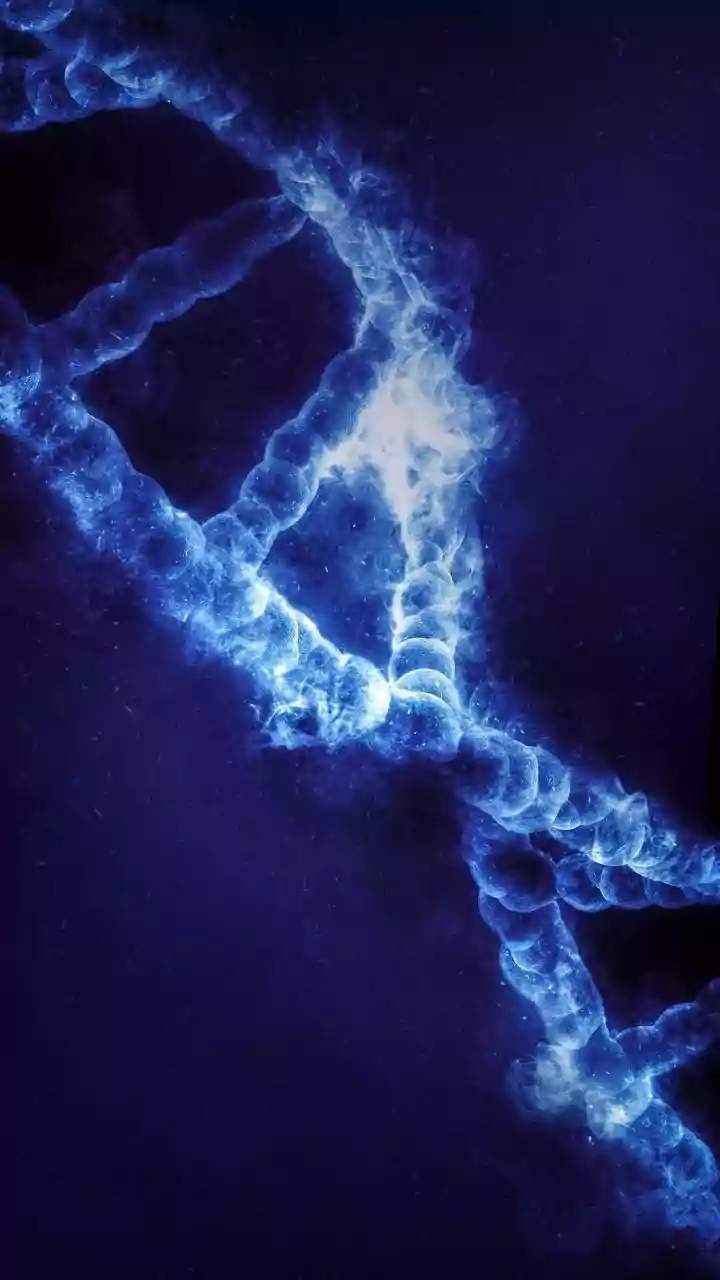
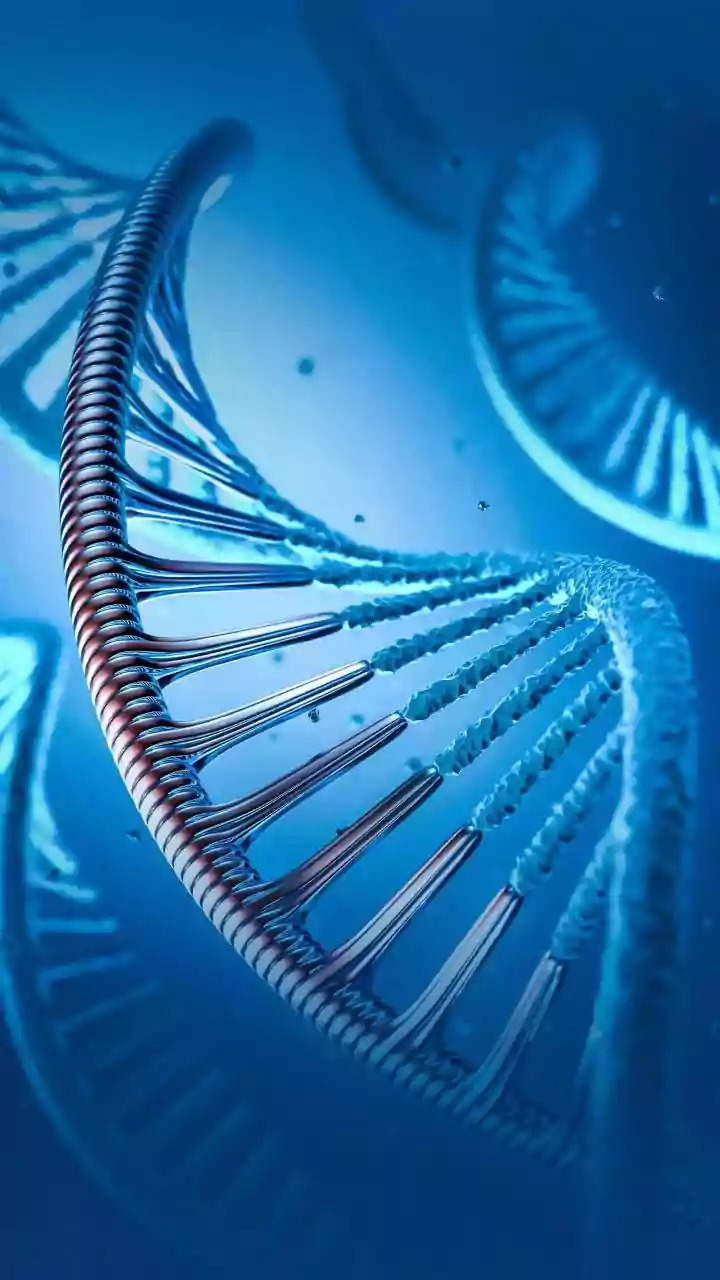
Inside almost every one of our cells is a staggering two metres of DNA. To fit this immense library of genetic information into a microscopic nucleus, it must be compressed and organized with incredible efficiency. For decades, scientists have studied
how DNA is packaged, traditionally focusing on how it’s wound around proteins like a thread on a spool. This creates a condensed structure called chromatin. But this tight packaging presents a problem: for a gene to be read and used by the cell, it must be accessible. The cell needs a way to quickly find the right instructions without untangling the entire library. This is where the concept of DNA loops comes into play, a field of study that is revolutionizing our understanding of gene regulation.
The Power of the Loop
Researchers have discovered that our genome isn't just a tangled mess; it's organized into thousands of distinct loops. These are formed by protein complexes, most notably a duo called CTCF and cohesin, which act like microscopic clips, pinching the DNA strand to bring distant sections together. This process, known as loop extrusion, is fundamental to how our cells function. By forming a loop, a distant gene can be brought into close physical proximity with a regulatory 'switch'—called an enhancer—that turns it on. Think of it like creating a shortcut in a massive instruction manual, allowing the cell to activate the right genes at the right time while keeping others silent. This elegant system ensures that a skin cell acts like a skin cell and a brain cell acts like a brain cell.
When Good Loops Go Bad
Cancer, at its core, is a disease of uncontrolled cell growth driven by faulty gene expression. Recent studies are showing that disruptions in DNA looping are a major culprit. Mutations in the genes that produce the cohesin or CTCF proteins are frequently found in various cancers. When these architectural proteins malfunction, the genome's carefully organized structure can fall apart. Loops that are supposed to keep cancer-causing genes (oncogenes) isolated and switched off can break, while new, improper loops can form. This can erroneously connect a powerful 'on' switch to an oncogene, telling it to drive relentless cell division. Furthermore, some cancer cells use rogue, circular pieces of DNA, called extrachromosomal DNA (ecDNA), which exist outside the chromosomes and can rapidly amplify cancer-promoting genes.
A New Frontier for Cancer Treatment
This deeper understanding of DNA architecture is opening a new frontier for cancer therapies. Instead of using blunt instruments that kill all fast-growing cells, scientists are now asking: what if we could target the looping mechanism itself? The idea is to develop drugs that can correct the faulty loops or exploit the dependencies that cancer cells have on them. For example, if a cancer is driven by a specific, abnormal loop, a targeted therapy could be designed to disrupt that loop and shut the oncogene down. Researchers are already testing this concept. One early-stage clinical trial is using a drug that targets a vulnerability created by ecDNA, with the hope of selectively killing cancer cells that rely on these rogue loops.
The Long Road from Lab to Clinic
While the potential is enormous, it's important to have realistic expectations. Much of this research is still in the foundational stage. Scientists are working to map the intricate 3D genome of various cancers and understand the full impact of looping errors. Developing drugs that can precisely manipulate DNA architecture without causing unintended side effects in healthy cells is a significant challenge. However, the approach represents a paradigm shift. These 'next-generation' therapies wouldn't just be about killing cancer cells, but about re-regulating them—turning a cell that has gone haywire back toward a more normal state. It’s a strategy focused on fixing the software, not just breaking the hardware.