


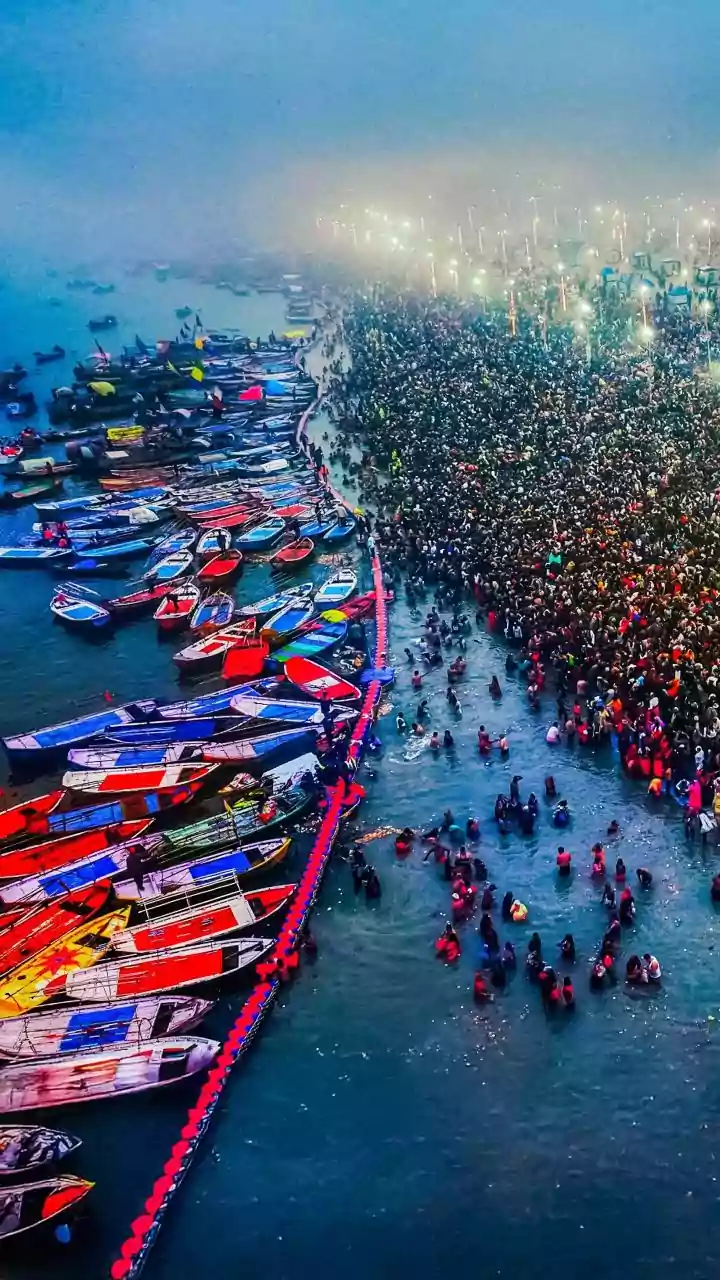
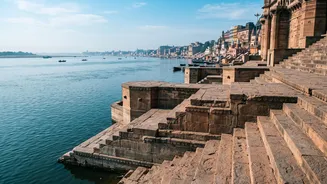
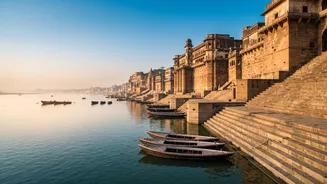
The great Indian holiday is getting a makeover. The familiar checklist of monuments and viewpoints is being replaced by a desire for authentic, immersive activities. This isn't just a minor tweak; it's a fundamental shift reshaping how we travel.
The Classic Holiday Itinerary
For decades,
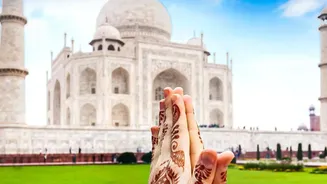
a 'successful' family vacation was measured by the number of famous sights seen. Traditional holidays were often about covering maximum ground in minimum time. Think pre-packaged tours with fixed itineraries: a photo at the Taj Mahal, a shikara ride in Kashmir, or ticking off the main temples in a southern city. The focus was on the destination as a backdrop for photos. Accommodation was a place to sleep, often a functional hotel chosen for its proximity to these tourist hotspots. This model, built on sightseeing, was the backbone of domestic tourism for generations, creating predictable footfalls in popular circuits like the Golden Triangle.
Enter the Age of Experience
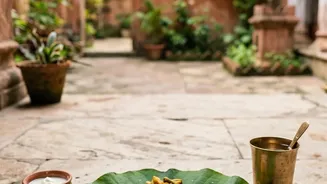
Today’s traveller, particularly among Millennials and Gen Z, is asking a different question: 'What can I do there?' Experiential travel prioritises participation over passive observation. Instead of just seeing a monument, it’s about staying in a restored heritage haveli and hearing its stories. It’s not just eating local food; it’s taking a cooking class with a local family. This new approach includes everything from learning a craft like pottery in a rural village to attending a local festival, like Durga Puja in Kolkata or the Hornbill Festival in Nagaland. The goal is no longer just a collection of sights, but a collection of meaningful memories and skills.
What's Driving This Transformation?
Several factors are fuelling this change. The rise of social media platforms like Instagram has created a desire for unique, story-driven content that goes beyond generic landmark photos. Younger travellers are actively seeking authentic moments that reflect personal growth and connection. Rising disposable incomes, especially in Tier II and III cities, mean more people can afford to travel and are willing to spend more on distinctive experiences. Furthermore, there is a growing consciousness around sustainability, with travellers preferring to support local economies directly through homestays and community-based tourism.
Reshaping Tourism Footfalls
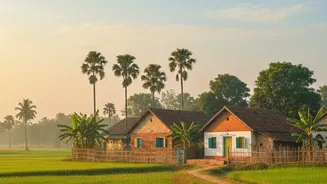
This shift doesn't necessarily mean fewer people are visiting popular sites. Instead, it's changing how and where tourist money flows. Footfalls are becoming more distributed. Lesserndestinations with unique cultural offerings are gaining prominence. The demand for homestays and boutique villas is surging, with the Indian homestay market projected to be a significant growth sector. This diverts traffic and revenue away from large hotel chains and into smaller, locally owned properties. As travellers seek out niche experiences like wellness retreats or adventure sports, tourism is expanding beyond the conventional hubs and creating new economic opportunities in rural and remote areas.
How the Industry is Adapting
The tourism industry is taking note. Tour operators are moving away from one_size_fits_all packages towards personalised, flexible itineraries built around interests like food, wellness, or art. Hotels are no longer just selling rooms; they are curating 'experiences' such as guided nature walks, cultural performances, and culinary workshops to keep guests on_site. Digital platforms and AI_powered tools are making it easier for travellers to discover and book these niche experiences, with a majority of young Indians now preferring to plan their own independent trips rather than buying pre_made tours. This focus on experience is becoming central to survival and growth in India's competitive travel market.