




Why Your Plants Crave a Humid Environment
Many popular houseplants, like ferns, calatheas, and orchids, are native to tropical rainforests where the air is thick with moisture. [2, 17] They are biologically designed to absorb water not just through their roots, but also through their leaves.
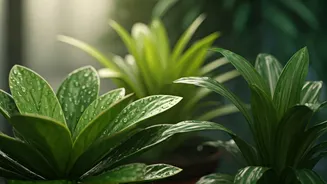
[16] This process, known as transpiration, is a bit like breathing for plants; they release water vapor through tiny pores on their leaves called stomata. [1] When the surrounding air is humid, the rate of water loss slows down, which reduces stress on the plant. [11] High humidity helps leaves stay hydrated, supports photosynthesis, and can even protect against pests like spider mites, which thrive in dry conditions. [1, 5] In most homes, especially during winter when heaters are running, the air is much drier than these plants prefer, often dropping below 30-50% relative humidity. [9, 1]
Recognizing the Signs of Low Humidity
How can you tell if your plant is thirsty for more moisture in the air? The signs are often subtle at first but become more obvious over time. The most common indicator is brown, crispy leaf edges or tips. [2, 5] This happens because the leaves are losing moisture faster than the roots can absorb it. [5] You might also notice leaves starting to curl, wilt, or look wrinkled as they try to conserve water. [3, 5] In some cases, a plant might stop growing altogether or begin to drop its leaves as a self-preservation tactic. [1] If your once-vibrant prayer plant or fern is looking dull and faded, low humidity is a likely culprit. [2]
The Danger Lurking in the Soil: Waterlogging and Root Rot
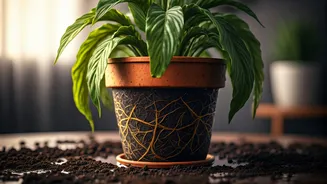
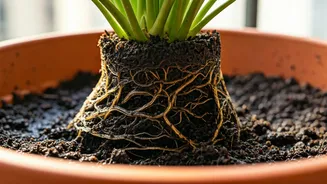
While plants love moisture in the air, they despise having their roots sit in stagnant water. This is the crucial distinction many plant owners miss. Overwatering, or using pots without proper drainage, leads to waterlogged soil. [19, 26] In this environment, the air pockets in the soil collapse, depriving the roots of the oxygen they need to function. [24, 27] This lack of oxygen causes root cells to die and decay, creating an ideal breeding ground for opportunistic fungi. [24] The resulting condition, root rot, prevents the plant from absorbing any water or nutrients, effectively causing it to die of thirst even while sitting in wet soil. [19, 21] Symptoms of root rot ironically mimic underwatering—yellowing leaves, wilting, and stunted growth—which can trick owners into watering even more. [21, 24] Healthy roots are typically white and firm; rotten roots will be brown or black, mushy, and may have a foul smell. [19]
Smart Ways to Boost Humidity (Without Drowning Your Plants)
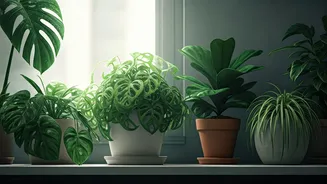
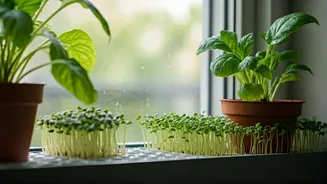
Increasing ambient moisture doesn't mean you should water your plant's soil more often. Instead, focus on the air around the leaves. One of the most effective methods is to use a humidifier, which provides a consistent level of moisture. [6, 20] Another easy trick is to group your plants together; as they transpire, they create a humid microclimate for each other. [2, 10] A classic technique is the pebble tray: place your pot on a tray filled with pebbles and a bit of water. [4] As the water evaporates, it will increase humidity directly around the plant without waterlogging the soil. [4, 6] You can also place plants in naturally humid rooms like a bathroom or kitchen, as long as they get adequate light. [10, 18] Misting can provide a temporary boost, but it must be done frequently to be effective and can sometimes encourage fungal issues on leaves if they remain wet for too long. [6, 7]
Mastering the Art of Watering
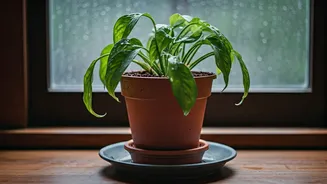
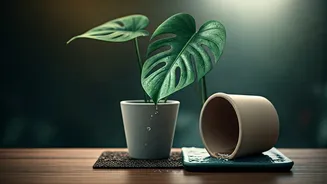
The golden rule of watering is to let the soil guide you, not the calendar. Before you water, stick your finger about an inch into the soil. [25] If it feels dry, it's time to water. If it's still moist, wait a few more days. [22] Always use pots with drainage holes to allow excess water to escape. [12, 23] When you do water, do it thoroughly until water runs out of the bottom. [26] Then, be sure to empty the saucer so the plant isn't left sitting in a puddle. [26] This deep-but-infrequent watering method encourages strong root growth and mimics a natural rainstorm, which is far healthier than giving the plant small, frequent sips. [26]