




A Geography of Taste
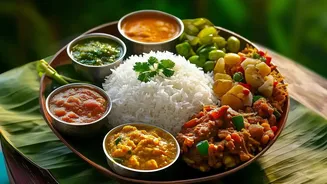
Tamil cuisine is not a single entity; it is a collection of distinct culinary traditions shaped by geography. The ancient Tamils categorised their land into five regions: Kurinji (hills), Mullai (forests), Marutham (plains), Neithal (coast), and Palai
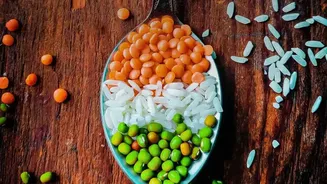
(arid land). This classification dictated what was eaten, creating a diet based on local abundance. Today, this legacy lives on in the regional cuisines of Chettinad, Kongunadu, and Nanjil Nadu, each with a unique palate. While rice, lentils, and coconut form a common foundation, it is the hyperlocal ingredients—the specific vegetables, spices, and grains of a particular soil—that give each region its soul. These kitchens act as living museums, preserving biodiversity on the plate.
The Fiery Aromatics of Chettinad
Perhaps the most famous of Tamil Nadu's regional cuisines, Chettinad food is synonymous with bold, complex spice blends. Originating from the prosperous Chettiar trading community, its recipes are aromatic and fiery. Key to this are unique sun-dried spices, often prepared and ground by hand. Ingredients like 'maratti mokku' (a type of caper) and 'kalpasi' (black stone flower) are indispensable, lending a distinct smoky, anise-like flavour that cannot be replicated. The cuisine also features a fascinating array of sun-dried vegetables ('vathals') and preserved meats, a testament to the community's history of travel and the need to make ingredients last. These aren't just for festive occasions; they are part of the daily 'achaar' and 'kuzhambu' (curry).
Kongunadu’s Earthy and Minimalist Flavours
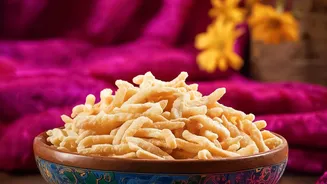
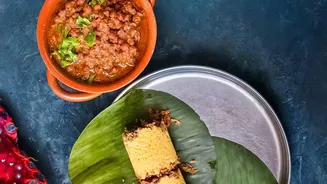
In the western Kongu Nadu region, encompassing areas like Coimbatore and Salem, the philosophy is different. The cuisine is known for its minimalist, nutritious, and subtle flavours. Marination is rare; instead, the focus is on the freshness of the ingredients themselves. The fertile black soil of the region yields a bounty of turmeric, sesame, groundnuts, and millets, which form the cuisine's backbone. Dishes like 'sandhagai' (a type of string hopper) and 'ellu urundai' (sesame balls) highlight native grains and seeds. The use of freshly ground turmeric, for which the city of Erode is famous, gives dishes a vibrant colour and earthy aroma, showcasing a culinary style that is deeply connected to its agricultural roots.
Nanjil Nadu’s Coastal Bounty
Nanjil Nadu, the region of Kanyakumari at the southern tip of India, has a cuisine deeply influenced by its coastal geography and proximity to Kerala. Coconut, in the form of grated flakes, milk, and oil, is a dominant ingredient, lending a creamy richness to both vegetarian and non-vegetarian dishes. Tamarind provides a signature tang that balances the sweetness of the coconut. But what truly sets it apart is the use of unique ingredients like 'maasi', a dried and smoked Maldivian tuna fish. This isn't just used in fish curries but is also powdered and sprinkled over vegetable stir-fries ('poriyals'), adding a profound umami flavour that is characteristic of the region.
The Keepers of Culinary Heritage
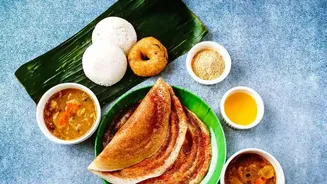
How does this preservation happen in an era of instant mixes and globalised palates? The answer lies not in restaurants, but in homes. It is the grandmothers and mothers who are the true custodians of this heritage. Recipes are rarely written down; they are passed on through observation, measured by 'a handful here, a pinch there'. This oral tradition ensures that techniques like sun-drying, pickling, and preparing fermented batters continue to be practised. By insisting on using ingredients from their own backyards or local markets, these home cooks are performing a daily act of resistance against culinary homogenization, ensuring that the taste of their specific land and history is not forgotten.