

Beyond the Six-Yard Staple
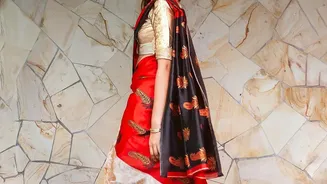
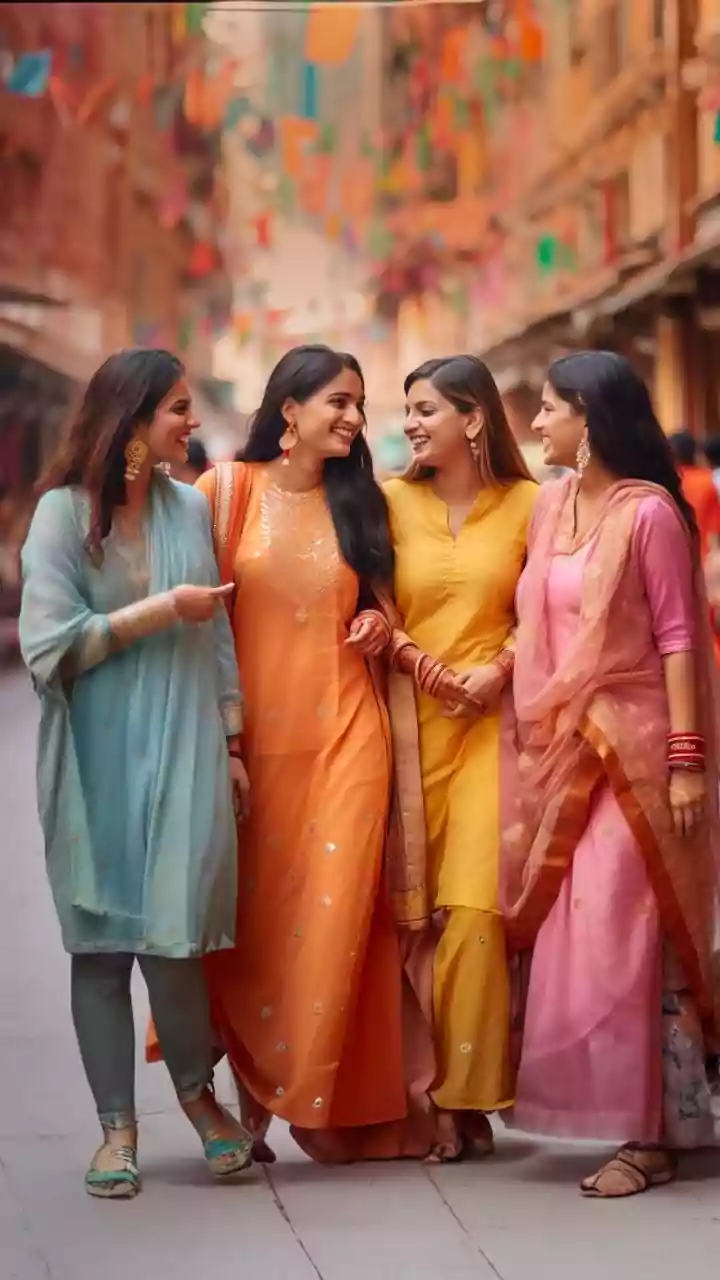
For generations, the mention of handloom brought to mind the image of a traditional saree, reserved for weddings and festivals. But today, that perception is being dynamically reshaped. Weavers and designers are collaborating to move beyond the saree, interpreting
heritage fabrics in forms that speak to a contemporary audience. This evolution is not about abandoning tradition, but expanding its vocabulary. The result is a vibrant fusion where the authenticity of a handwoven textile meets the practicality required by modern life, making handloom a desirable choice for everything from office wear to casual outings.
New Silhouettes for a New Generation
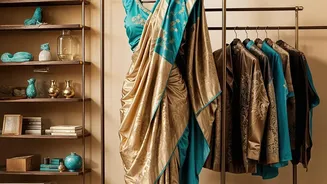
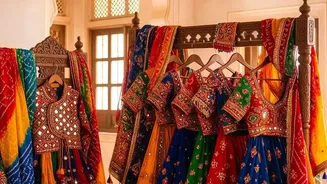
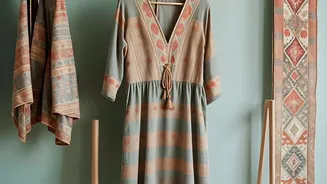
The most visible change is in the silhouettes. Traditional textiles are now being tailored into structured jackets, chic dresses, versatile separates, and even sneakers. Imagine a classic Banarasi brocade, once destined to be a saree, now crafted into a stylish bomber jacket. Or consider the graphic appeal of Ikat, a dyeing technique from Odisha and Telangana, finding a new life in tailored trousers, shirts, and skirts. Designers are experimenting with Chanderi's lightweight sheen for monochrome kurtas and Indo-Western kaftans, while Khadi is being used for everything from fluid dresses to co-ord sets. This shift allows the rich stories of these fabrics to be worn in new and personal ways.
A Fusion of Form and Fabric
The adaptation goes deeper than just the cut of the cloth. Artisans, often in direct collaboration with designers, are innovating within the weave itself. While preserving core techniques, they are experimenting with lighter materials, contemporary colour palettes, and modern motifs. For instance, some designers are swapping traditional paisleys and floral patterns in Chanderi or Banarasi weaves for more stylised, geometric, or unexpected designs like tigers and lotuses. This creative partnership is crucial; weavers possess impeccable technical skills passed down through generations, but designers bring insights into what the modern, urban consumer desires, ensuring the final product is both authentic and relevant.
The Rise of the Conscious Consumer
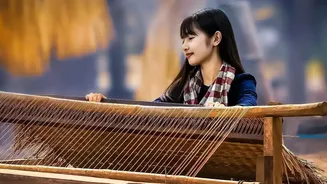
This handloom revival is powered as much by demand as it is by supply. In a world saturated with fast fashion, a growing number of urban consumers are seeking clothing with character, sustainability, and a story. Handloom textiles meet this need perfectly. They are often made with natural fibres and dyes, involve a low-energy production process, and represent a direct connection to a craftsperson's skill. Choosing to wear handloom has become a conscious statement—a vote for ethical fashion, cultural preservation, and a move away from mass-produced anonymity. This growing appreciation for 'slow fashion' provides a vital market for artisans, ensuring their craft not only survives but thrives.
Empowering Artisans, Preserving Heritage
Ultimately, this trend is about creating a sustainable ecosystem for India's weaving communities. By adapting to modern tastes, artisans are finding new and more lucrative markets, making the craft economically viable for themselves and attractive to the next generation. Digital platforms and social media have also become powerful tools, allowing weavers to connect directly with urban buyers, tell their own stories, and gain greater autonomy. Initiatives that foster these connections are helping bridge the gap between remote artisan clusters and the bustling cities, ensuring that the hands that weave the fabric receive the recognition and reward they deserve.