



The 'Why' Behind Proper Form
Executing lower-body exercises with correct form is the difference between achieving your goals and risking injury. When your technique is off, your body compensates. For example, weak glutes during a squat might cause your lower back to take over, increasing
strain on your spine. Proper form ensures that the target muscles—in this case, primarily the quadriceps, hamstrings, and glutes—are the ones doing the work. This not only leads to better, more defined results but also protects your joints, like the knees and hips, from unnecessary stress. It enhances balance, stability, and functional strength, which translates to everyday movements like climbing stairs or lifting objects.
Mastering the Squat for Thigh Power
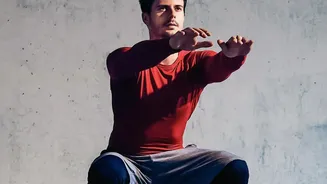
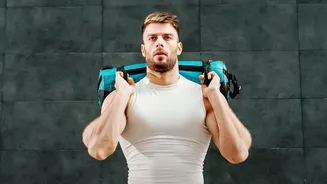
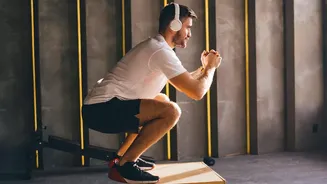
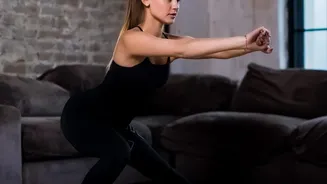
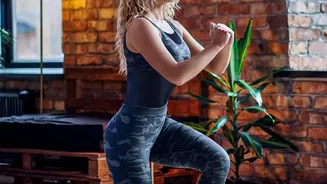
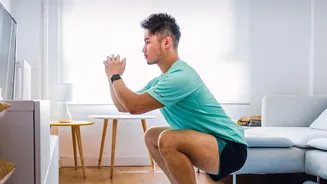
The squat is a foundational movement for building powerful thighs. To perform it correctly, stand with your feet shoulder-width apart, with your toes pointing slightly outwards. Initiate the movement by hinging at your hips and sitting back, as if aiming for a chair. Keep your chest up and your core engaged to maintain a neutral spine. Lower yourself until your thighs are at least parallel to the ground, ensuring your knees track in line with your toes and do not collapse inward. Your heels should remain firmly on the floor throughout the movement. Drive back up to the starting position by pushing through your heels, squeezing your glutes at the top.
Common Squat Mistakes to Avoid
One of the most frequent errors is allowing the knees to cave inward, known as knee valgus. This often points to weak hip abductors and puts stress on the knee ligaments. Another issue is lifting the heels off the ground, which shifts your weight forward and can strain your knees. This may be caused by limited ankle flexibility. Leaning your torso too far forward is also common and often results from a weak core or tight hips, placing extra load on the lower back. If your hips rise faster than your chest during the ascent, it takes the focus off your quads and strains the hamstrings and back. Concentrating on a controlled, even movement is key.
Perfecting the Lunge for Strength and Stability
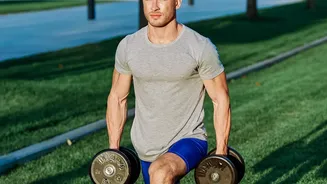
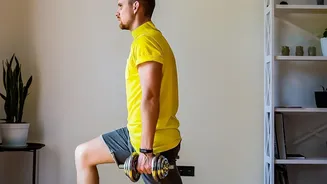
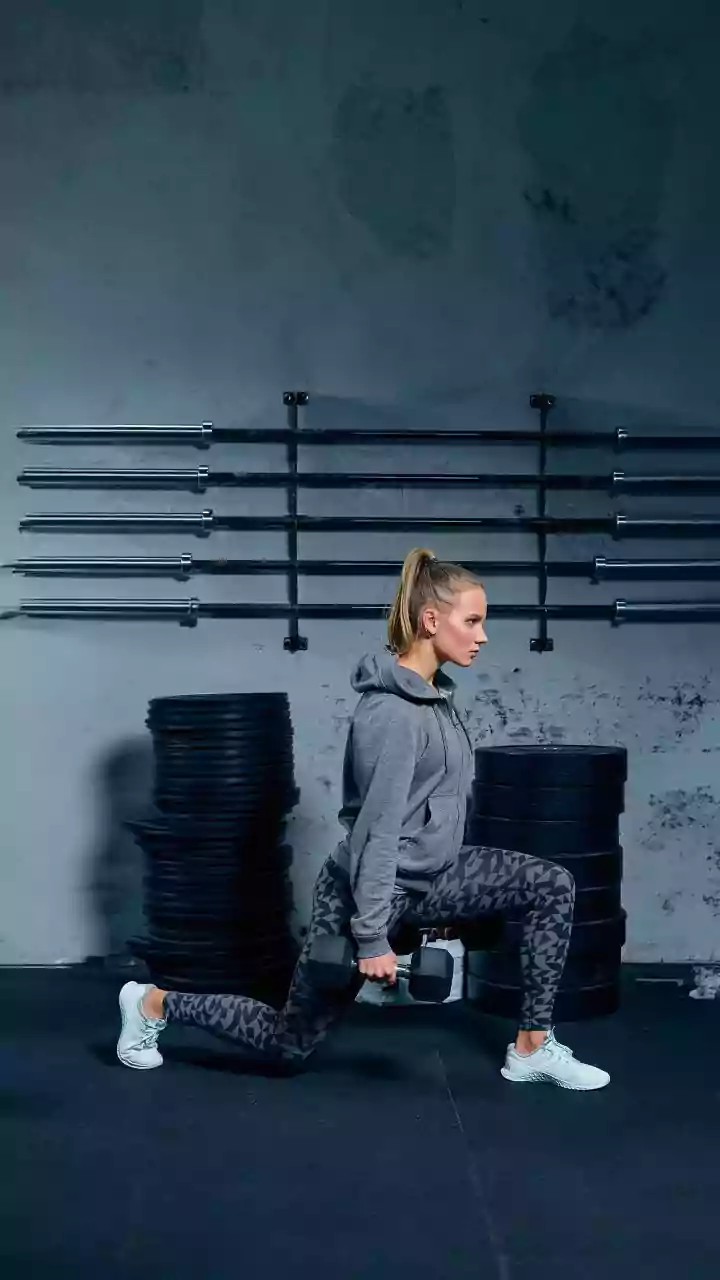
Lunges are excellent for targeting each leg individually, which helps correct muscle imbalances and improve stability. To start, stand with your feet hip-width apart. Take a large step forward with one foot. Lower your hips until both knees are bent at approximately a 90-degree angle. Your front knee should be aligned directly above your ankle, and your back knee should hover just above the floor. Keep your torso upright and your core engaged to maintain balance. Push off your front heel to return to the starting position. The unilateral nature of the lunge forces your core and smaller stabilising muscles in the hips to work harder.
Lunge Pitfalls and How to Fix Them
A common mistake in lunges is taking a step that is too short or too long, which can compromise balance and proper muscle engagement. Allowing the front knee to travel far beyond the toes can place undue stress on the knee joint; focus on keeping weight in the front heel. An uncontrolled descent, or 'slamming' the back knee down, not only risks injury but also negates the muscle-building benefits of the eccentric (lowering) phase. Finally, avoid leaning your torso too far forward or arching your back. Keeping your upper body upright ensures the work stays in your legs and glutes.