





A Return to the Roots
For generations, Indian households have relied on 'nani ke nuskhe' or grandmother's remedies. Kitchen staples like turmeric (haldi), chickpea flour (besan), and yogurt (dahi) have been mainstays in traditional beauty rituals, long before 'clean beauty'
became a buzzword. This modern pantry-to-beauty movement is essentially a revival of these age-old practices, where time-tested ingredients are being embraced by a new generation. The core idea is simple: what is good enough to eat is good enough for your skin. This philosophy resonates deeply in a culture where Ayurveda, the ancient system of holistic medicine, has always treated beauty as an extension of overall wellness.
Why the Sudden Resurgence?
Several factors are fueling this trend's comeback. A major driver is the global shift towards 'clean beauty', with consumers becoming more skeptical of synthetic ingredients like parabens and sulfates. People are demanding transparency and are more comfortable with ingredients they can recognize. Social media also plays a huge role. Beauty influencers and content creators share DIY recipes and tutorials, making these traditional practices accessible and appealing to a younger, digital-native audience. Furthermore, there's a growing sense of pride in Indian heritage, with consumers actively seeking products and practices that are culturally rooted. This has created a fertile ground for both DIY beauty and for brands that incorporate these familiar, trusted ingredients into their products.
The Stars of the Kitchen Cabinet
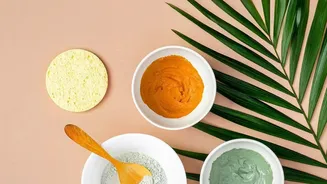
The list of kitchen ingredients being used for beauty is long, but a few stand out for their popularity and effectiveness. Turmeric is celebrated for its anti-inflammatory and antiseptic properties, often used in face packs to calm the skin and reduce scarring. Besan, or gram flour, is a versatile cleanser and gentle exfoliator that can help control oil and brighten the complexion. A simple paste of besan, a pinch of turmeric, and yogurt or milk is a classic recipe for glowing skin. Other popular ingredients include honey, a natural humectant that provides moisture; lemon, used for its skin-lightening properties; and coconut oil, a revered moisturizer for both skin and hair.
From DIY Recipes to Commercial Success
The trend isn't just staying in the kitchen. Astute beauty brands have taken notice, leading to a boom in the Ayurvedic and herbal beauty market. This market in India was valued at USD 1.8 billion in 2024 and is projected to grow significantly. Companies are launching products that highlight traditional ingredients, combining ancient wisdom with modern science. You can now find face serums with saffron (kesar), cleansers with holy basil (tulsi), and creams formulated with sandalwood. This commercialization has made the benefits of these pantry staples available to a wider audience, including those who may not have the time for DIY preparations. The success of these products shows a market that values authenticity and performance-led naturalism.