


The Problem with Phone Posture
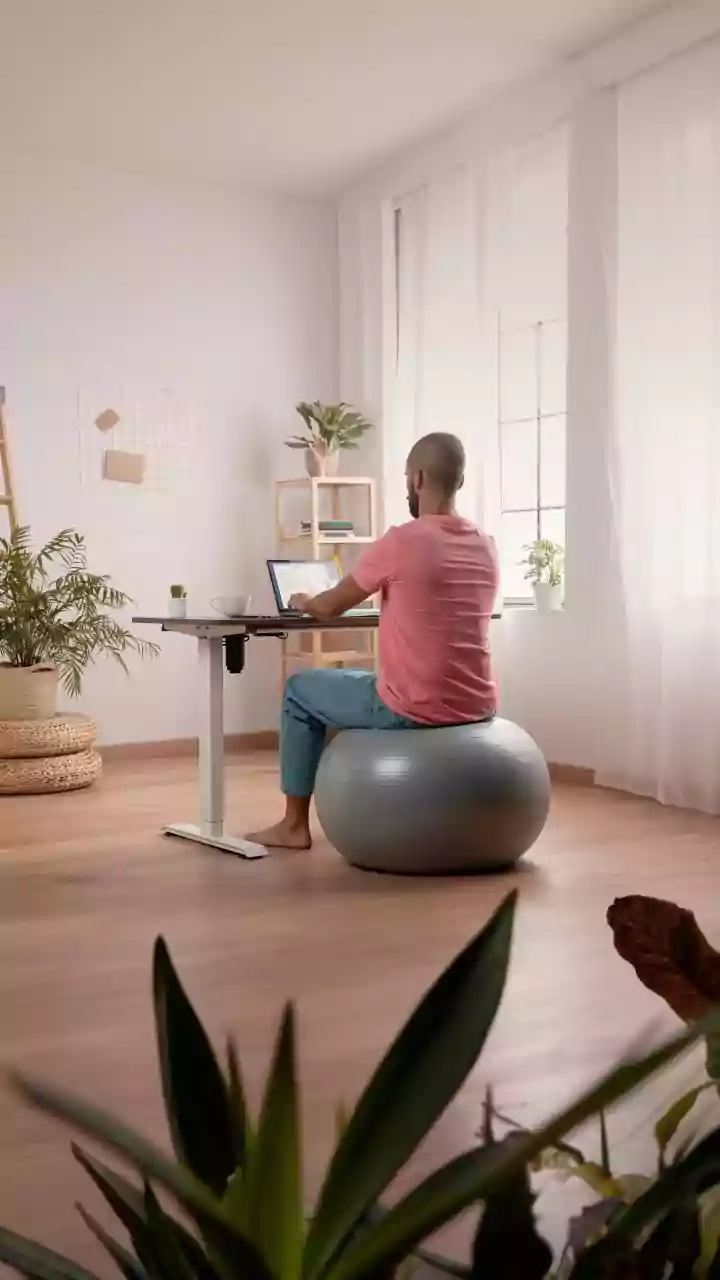
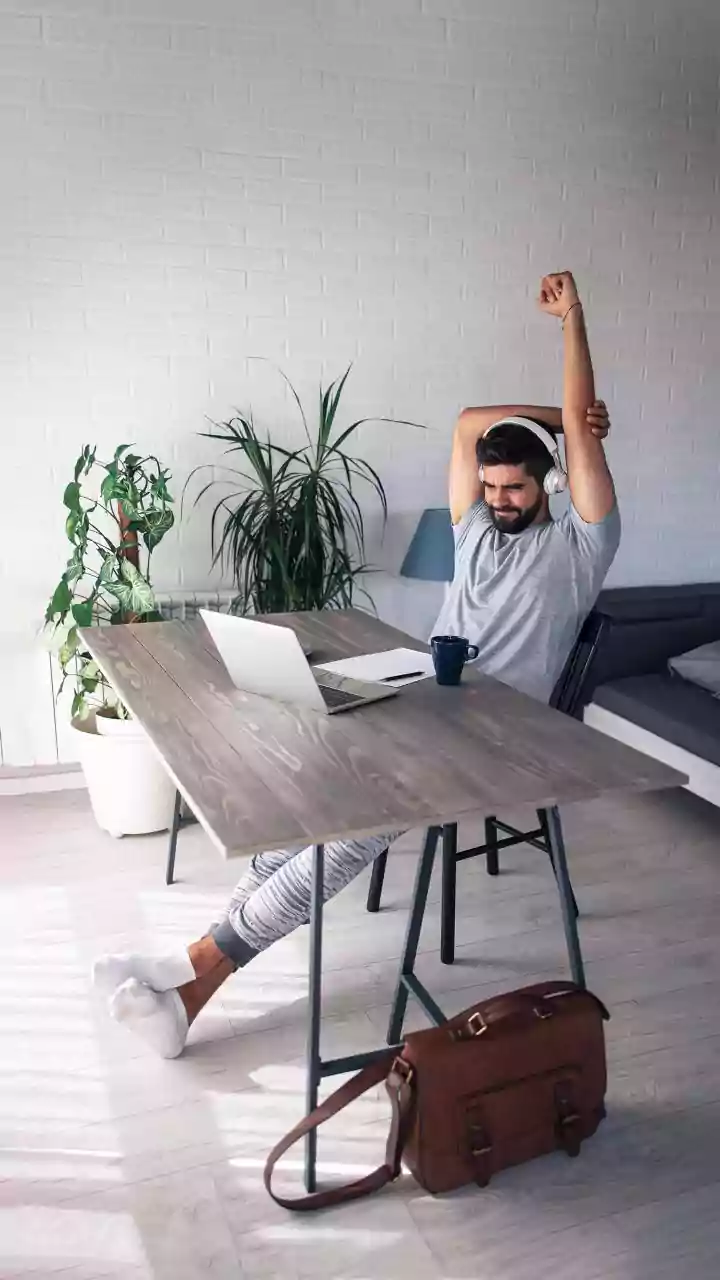
We spend hours each day looking down at our phones and laptops. This constant forward-head posture puts immense strain on our neck and upper back. Over time, it can lead to rounded shoulders, a hunched upper back, and persistent lower back pain as the
rest of the spine compensates. The muscles in the front of our chest and shoulders become tight, while the muscles in our upper back become weak and overstretched. This imbalance not only causes discomfort but can also affect our breathing and overall alignment. The key to correction is to strengthen the weak muscles and stretch the tight ones, re-establishing a natural and healthy spinal curve.
Cat-Cow Stretch (Marjaryasana-Bitilasana)
This gentle, flowing movement is perfect for warming up the spine and relieving tension. It improves spinal flexibility and encourages awareness of your back's alignment. Start on all fours, with your wrists directly under your shoulders and your knees under your hips. On an inhale, drop your belly towards the mat, lift your chest and tailbone, and look forward (Cow Pose). On an exhale, round your spine towards the ceiling, tucking your chin to your chest and pressing the mat away (Cat Pose). Flow between these two poses for 5-10 breaths, synchronizing your movement with your breath to gently massage the spine and release stiffness.
Cobra Pose (Bhujangasana)
Cobra Pose is a foundational backbend that directly counteracts the forward hunch of phone posture. It strengthens the spinal muscles, opens the chest and shoulders, and improves flexibility. To begin, lie on your stomach with your forehead on the mat and your hands under your shoulders, elbows tucked in close to your body. Press the tops of your feet and your pubic bone firmly into the floor to protect your lower back. On an inhale, use your back muscles to gently lift your head and chest off the floor. Keep a slight bend in your elbows and draw your shoulders down and away from your ears. Focus on lifting your chest forward rather than up, keeping your neck long. Hold for a few breaths before releasing back down.
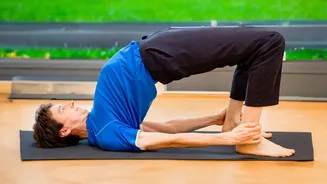
Bridge Pose (Setu Bandhasana)
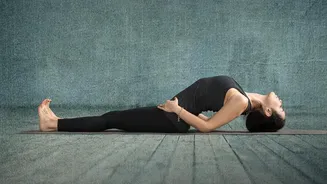
Bridge Pose is excellent for strengthening the back of the body—including the glutes, hamstrings, and back muscles—while stretching the chest and hip flexors. Lie on your back with your knees bent, feet flat on the floor hip-width apart, and close enough that you can just touch your heels with your fingertips. On an inhale, press through your feet and lift your hips off the floor. You can keep your arms flat on the floor or interlace your fingers underneath you, rolling your shoulders under to open the chest even more. This pose helps realign the spine and can relieve lower back pain caused by prolonged sitting.
Mountain Pose (Tadasana)
While it may seem like simply standing, Mountain Pose is the blueprint for good posture. It builds body awareness and strengthens the muscles that support a healthy, upright spine. Stand with your feet together or hip-width apart. Distribute your weight evenly across both feet. Gently engage your thigh and core muscles. Roll your shoulders up, back, and down, allowing your arms to rest by your sides with palms facing forward. Keep your head neutral, with your chin parallel to the floor. Holding this pose teaches your body what proper alignment feels like, making it easier to maintain good posture throughout the day.