


The Post-Monsoon Glow
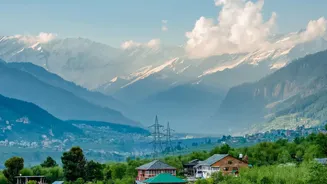
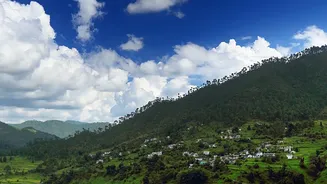
While much of the country recovers from the monsoon, Tirthan Valley comes alive in a unique way from September to November. The rains wash the valley clean, leaving behind lush, vibrant greenery and crystal-clear skies. Unlike the hazy vistas of summer
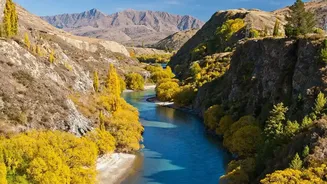
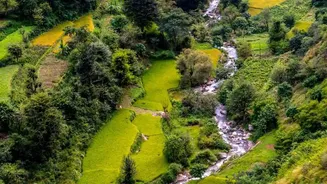
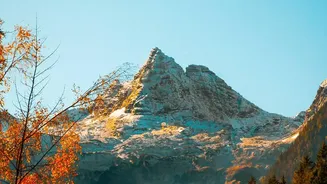
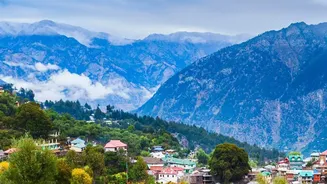
or the potential washouts of monsoon, autumn offers sharp, unobstructed views of the surrounding Himalayan foothills. The Tirthan River, famous for its trout, runs clear and fast, its turquoise waters sparkling under the mellow autumn sun. This season is a photographer’s dream, where the air is fresh, and the landscape is saturated with colour.
A Symphony of Gold and Russet
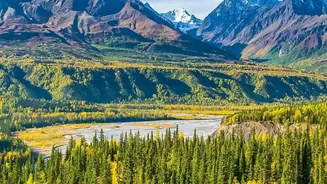
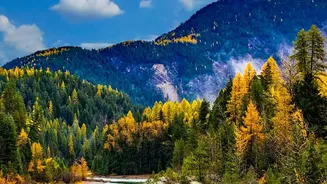
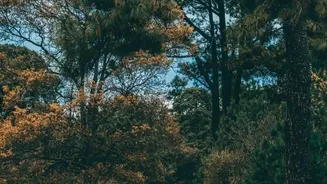
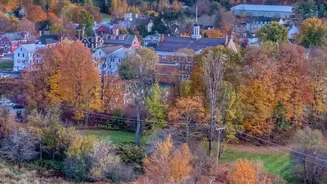
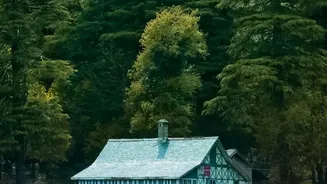
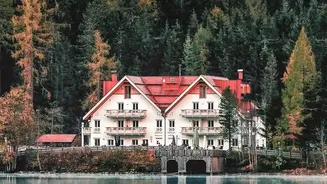
Autumn in the Himalayas is a spectacle, and Tirthan Valley is a prime stage. As October progresses, the broadleaf forests begin to turn, painting the hillsides in shades of yellow, orange, and deep red. This is a relatively rare sight in many parts of India, making it a special draw for nature lovers. Walking through trails blanketed with fallen leaves, with the crisp sound underfoot, offers a sensory experience far removed from a typical hill station holiday. The apple orchards, a signature of the Kullu region, are also in their post-harvest phase, lending a quiet, rustic charm to the villages.
Solitude by Design
The headline's promise of a 'crowd-free' escape holds true. Tirthan’s peak tourist season aligns with the summer school holidays, from April to June. By autumn, the rush has subsided. While it's not entirely deserted—it’s considered a shoulder season for discerning travellers—the atmosphere is vastly different from the long traffic queues and packed markets of Manali or Shimla. The valley’s focus on eco-tourism and homestays over large resorts naturally limits the number of visitors, preserving its tranquil character. This makes it the ideal time for those seeking peace and a genuine connection with nature.
Adventures in the Crisp Air
The pleasant autumn weather, with daytime temperatures hovering between 12°C and 25°C, is perfect for outdoor activities. The trails are dry and firm, making it an excellent time for trekking. You can take on short hikes to hidden waterfalls like the Chhoie Waterfall or drive up to Jalori Pass for breathtaking panoramic views and a trek to Serolsar Lake. The valley is the gateway to the Great Himalayan National Park (GHNP), a UNESCO World Heritage Site, and autumn is one of the best seasons to explore its gentle introductory trails, like the one to Rolla. Anglers can also rejoice, as the clear, post-monsoon waters of the Tirthan River offer prime conditions for trout fishing.
The Warmth of Local Homestays
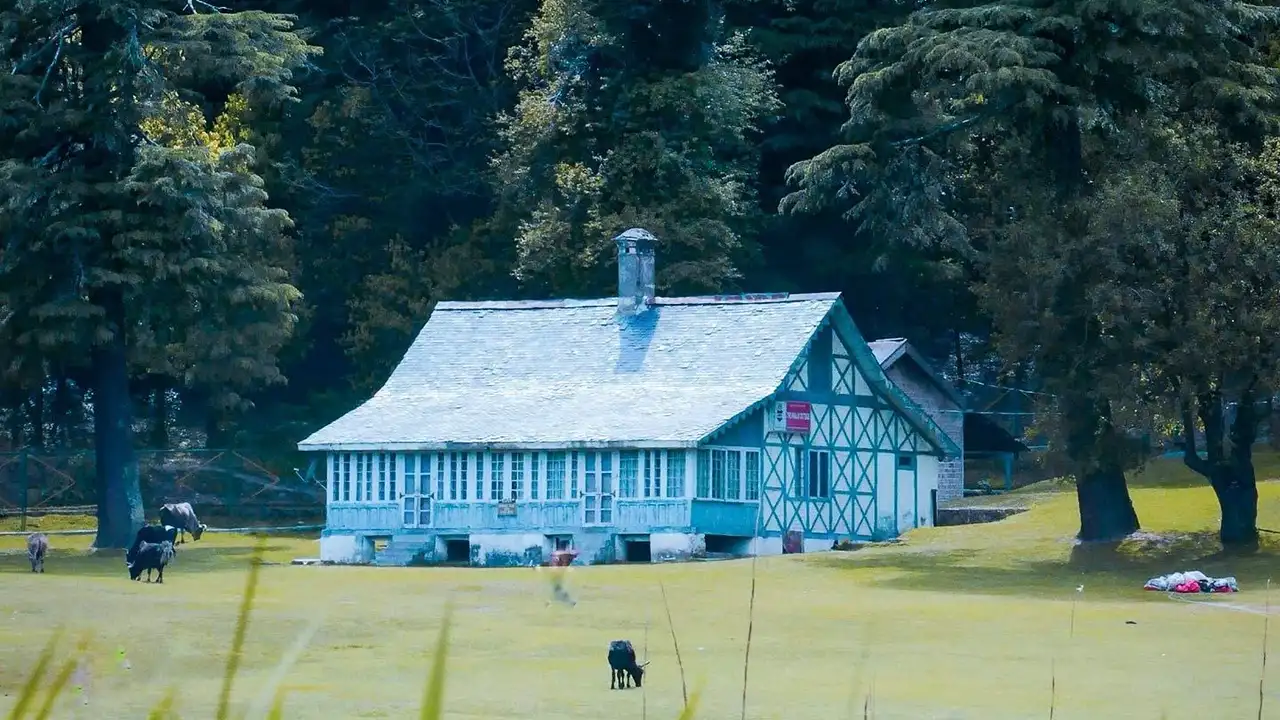
Tirthan Valley's identity is deeply intertwined with its homestays, which offer an authentic Himachali experience. In autumn, with fewer guests, the experience becomes even more intimate. Hosts have more time to share stories, offer insights into local culture, and prepare delicious, home-cooked meals. Picture yourself sitting by a bonfire on a chilly evening, with the sound of the river nearby, enjoying the unhurried pace of village life. Many of these homestays are built in the traditional Kath-Kuni style, using stone and wood, adding to the rustic charm. Choosing a homestay in villages like Gushaini or Nagini allows you to directly support the local community while enjoying unparalleled hospitality.