



Who is Raising Prices and Why?
Effective September 1, 2026, car buyers will have to shell out more for new vehicles from several major brands. Tata Motors has announced a price hike of up to ₹25,000 across its entire portfolio of petrol, diesel, and electric vehicles. This is the company's
second price adjustment in three months. Similarly, Hyundai Motor India will be increasing prices by up to 1% across all its models, marking its third hike this year. These announcements follow a recent price increase by market leader Maruti Suzuki in August, which saw prices go up by as much as ₹30,000 on certain models like the Baleno. Automakers have consistently cited the same reasons for these revisions: sustained inflationary pressures and rising input and commodity costs, which make manufacturing more expensive. Companies state that while they absorb a significant portion of these costs, some of the burden must be passed on to the customer.
The Real-World Cost: How Much Can You Save?
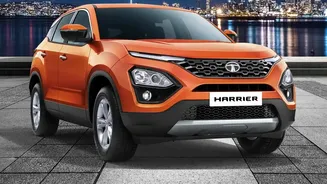
A price hike might seem nominal on paper, but the savings can be tangible. For example, a 1% increase on a Hyundai Creta or Verna priced at ₹15 lakh translates to a direct saving of ₹15,000 if you buy before September. For a top-end SUV costing ₹20 lakh, that saving jumps to ₹20,000. In the case of Tata Motors, while the hike is capped at ₹25,000, the exact increase will vary by model and variant. A buyer looking at a higher-end variant of the Harrier or Safari could potentially save the full ₹25,000. This amount is often enough to cover the cost of first-year insurance or a basic accessories package, making it a significant factor in the total cost of ownership. It's not just the ex-showroom price; a higher base price can also marginally increase registration charges and the insurance premium, adding to the overall financial outlay.
The Argument for Buying Before September 1
The most compelling reason to buy now is simple: you lock in the current, lower price and avoid paying more for the exact same vehicle next month. For buyers who have already done their research, finalized the model, and arranged their finances, closing the deal in August is a straightforward way to save money. Dealerships are also motivated to clear out existing inventory before the new prices kick in, which could create a window for negotiation on other fronts, like accessories or extended warranties. Furthermore, with multiple price hikes already implemented this year by major players like Maruti, Hyundai, and Tata, there is no guarantee that prices won't rise again before the year ends, especially if cost pressures continue. Buying now offers price certainty in an otherwise volatile market.
The Argument for Waiting
Rushing a major purchase is rarely a good idea. If you are not completely decided on a model, buying now under pressure could lead to compromises you might regret later. The biggest reason to wait, however, is the upcoming festive season. Historically, Dussehra and Diwali are periods when car manufacturers and dealerships roll out their most attractive discount schemes, including cash benefits, exchange bonuses, and corporate offers. These festive deals could potentially outweigh the savings from beating the September price hike. For instance, a festive season discount of ₹40,000 on a car would more than make up for a ₹15,000 price increase. Waiting also gives you time to see if any new models or facelifts are scheduled for launch, such as the expected Maruti Baleno facelift on September 5.
The Verdict: What's the Smart Move?
The decision to buy now or wait depends entirely on your personal situation. If you have zeroed in on a specific model from a brand that has announced a hike, and you are ready to make the purchase, buying before September 1 is a financially sound decision. You get the car you want and save a noticeable amount of money. However, if you are still undecided or are a flexible buyer who prioritizes the best possible deal over a specific model, waiting for the festive season is the better strategy. The potential discounts and offers during that period are likely to provide greater overall value, even with the revised sticker prices. Don't let the fear of a price hike push you into a hasty decision. Weigh the immediate savings against the potential for larger festive discounts and make a choice that aligns with your budget and buying timeline.