





Your Body Under Pressure
While many Americans associate the word “monsoon” with Southeast Asia, the U.S. has its own version. The North American monsoon brings dramatic summer thunderstorms to the Southwest from June through September. But even outside that region, late summer often
means high humidity, oppressive heat, and plenty of rain. This climate combination puts a unique strain on your system. Digestion can become sluggish, and the damp, warm conditions can create a breeding ground for bacteria and viruses, making you more susceptible to colds, skin issues, and stomach bugs. Your body works overtime just to stay cool, leading to fatigue and dehydration. It’s a season that demands a specific kind of nutritional support—light, hydrating, and packed with immune-boosting power.
Nature’s Perfectly Timed Response
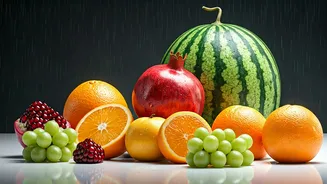
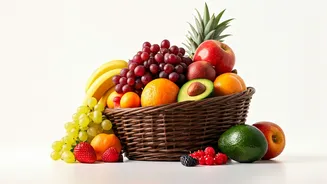
This is where seasonal eating becomes less of a foodie trend and more of a strategic wellness tool. The fruits that ripen during these hot, wet months aren't just delicious; they are biochemically suited to help your body navigate the challenges of the season. They are typically high in water content to combat dehydration, rich in antioxidants to fight inflammation, and loaded with Vitamin C to fortify your immune system when it’s most vulnerable. Instead of feeling heavy and lethargic, eating these fruits can leave you feeling refreshed, energized, and resilient. They are nature’s answer to the season's demands.
Peaches, Plums, and Nectarines
Stone fruits like peaches, plums, and nectarines are summer’s superstars for a reason. They are packed with Vitamin C, a crucial antioxidant that helps protect your cells from damage and supports a robust immune response. This is especially important when the humidity and heat tax your system. Furthermore, their high fiber content aids digestion, which can often become sluggish in hot weather. The natural sweetness provides a clean energy boost without the crash that comes from processed sugars, helping you fight off that classic mid-afternoon summer fatigue.
Berries of All Kinds
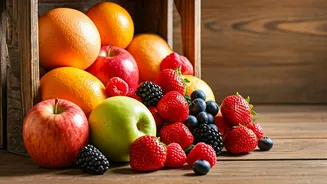
Blueberries, blackberries, raspberries, and strawberries are antioxidant powerhouses. They are rich in flavonoids and polyphenols, compounds that help reduce inflammation throughout the body. During a humid season where you might feel puffy or swollen, anti-inflammatory foods can provide significant relief. Their vibrant colors are a direct indicator of their potent nutrient density. Being low in calories and high in fiber, they are easy on a taxed digestive system and help keep you feeling light and active.
Cherries for Recovery
Often peaking from early to mid-summer, cherries are another fantastic choice for combating seasonal sluggishness. They are particularly famous for their anti-inflammatory properties, thanks to compounds called anthocyanins. These can help soothe aching joints and muscle soreness, which can be exacerbated by weather-related inflammation. Some studies also suggest that cherries can support better sleep due to their natural melatonin content, helping you get the restorative rest your body needs to handle the environmental stress.
Melons for Ultimate Hydration
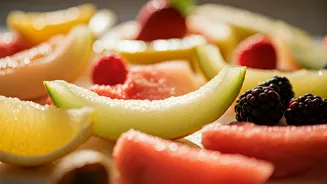
When it comes to hydration, nothing beats a juicy slice of watermelon, cantaloupe, or honeydew. Composed of over 90% water, melons are one of the most effective and delicious ways to replenish fluids lost through sweating. But it’s not just about water; they also provide essential electrolytes like potassium, which are critical for maintaining proper fluid balance, nerve function, and muscle contractions. Instead of reaching for a sugary sports drink, a bowl of chilled melon offers superior, natural hydration to keep you feeling your best.