
Understanding the Iron Divide
Iron is a vital mineral that our bodies need for energy, growth, and transporting oxygen in our blood. But not all dietary iron is created equal. There are two main types: heme and non-heme. Heme iron, found in animal products like red meat, poultry,
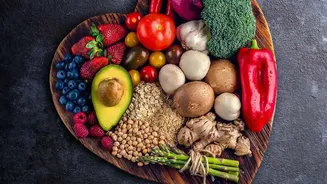
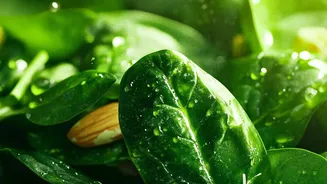
and fish, is easily absorbed by the body. Non-heme iron, on the other hand, is the type found in plant-based foods like leafy greens, beans, and lentils. While abundant, non-heme iron is significantly harder for our bodies to absorb, with absorption rates as low as 1% to 15% compared to 15% to 35% for heme iron. This makes it a common challenge for vegetarians, vegans, and anyone reducing their meat intake to get the iron they need.
Vitamin C: The Absorption Superhero
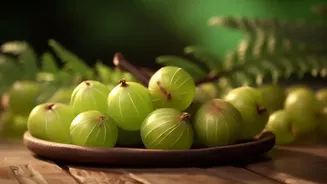
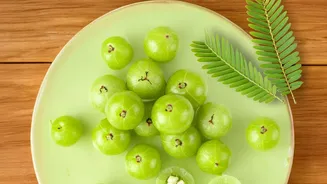
This is where vitamin C, also known as ascorbic acid, steps in to save the day. It is a powerful enhancer of non-heme iron absorption. The headline's claim of "doubling" the rate is not an exaggeration; some studies suggest that Vitamin C can increase absorption by several times. In one study, adding 100 milligrams of ascorbic acid to a meal increased iron absorption by over four times. The science is clear: when you consume vitamin C alongside plant-based iron, you transform that iron into a state your body can use much more efficiently. This effect is dose-dependent, meaning more vitamin C can lead to even better absorption, up to a certain point.
The Science of Synergy
So what is the secret behind this nutritional superpower? The magic happens in your gut. Most plant-based iron exists in a form called ferric iron (Fe3+), which is difficult for our intestines to take in. Vitamin C is a potent reducing agent, meaning it can donate an electron to the iron molecule. This simple act converts the hard-to-absorb ferric iron into the much more soluble and bioavailable ferrous iron (Fe2+). This is the specific form that our intestinal cells are designed to transport into the bloodstream. Essentially, vitamin C chemically unlocks the iron, making it ready for your body to use.
Perfect Pairings for Your Plate
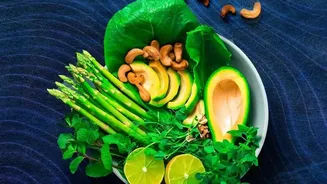
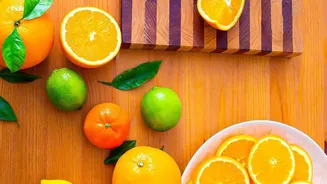
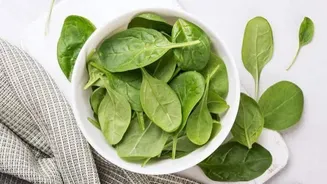
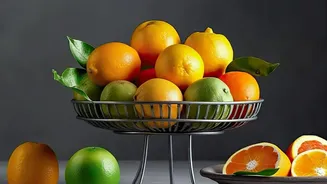
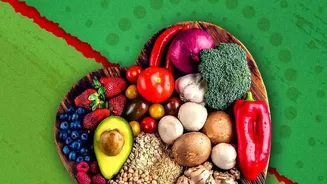
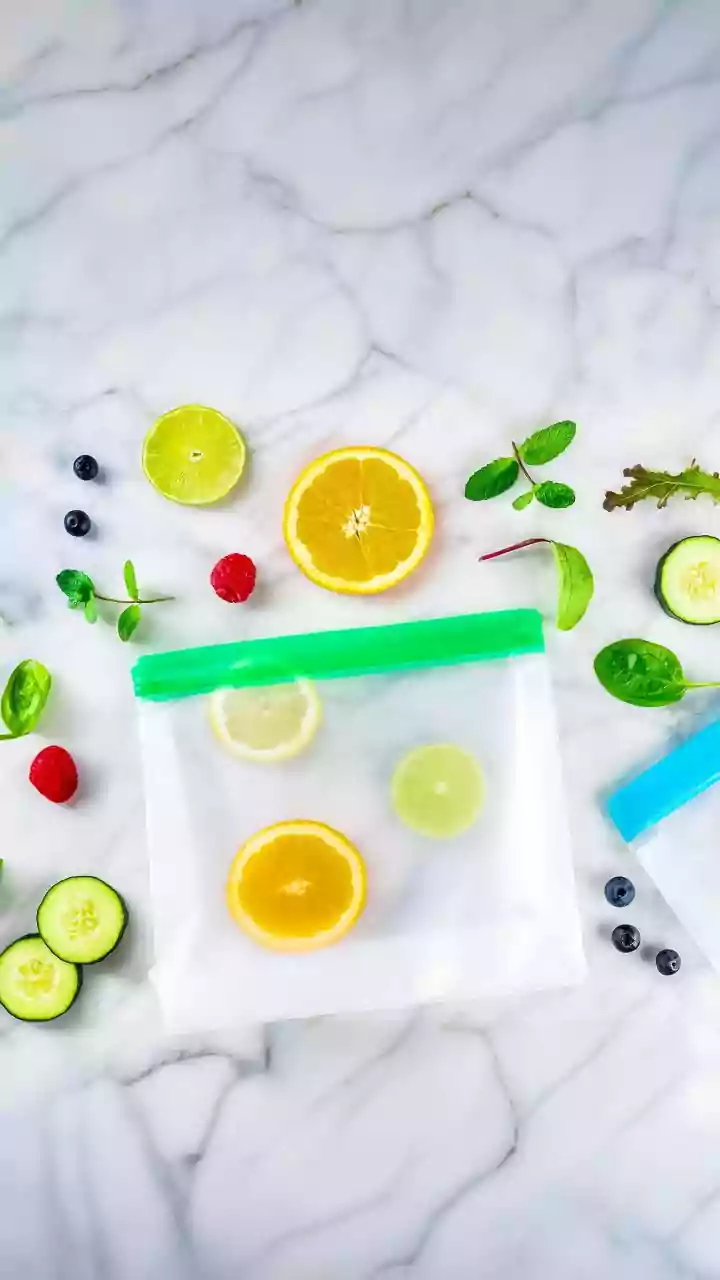
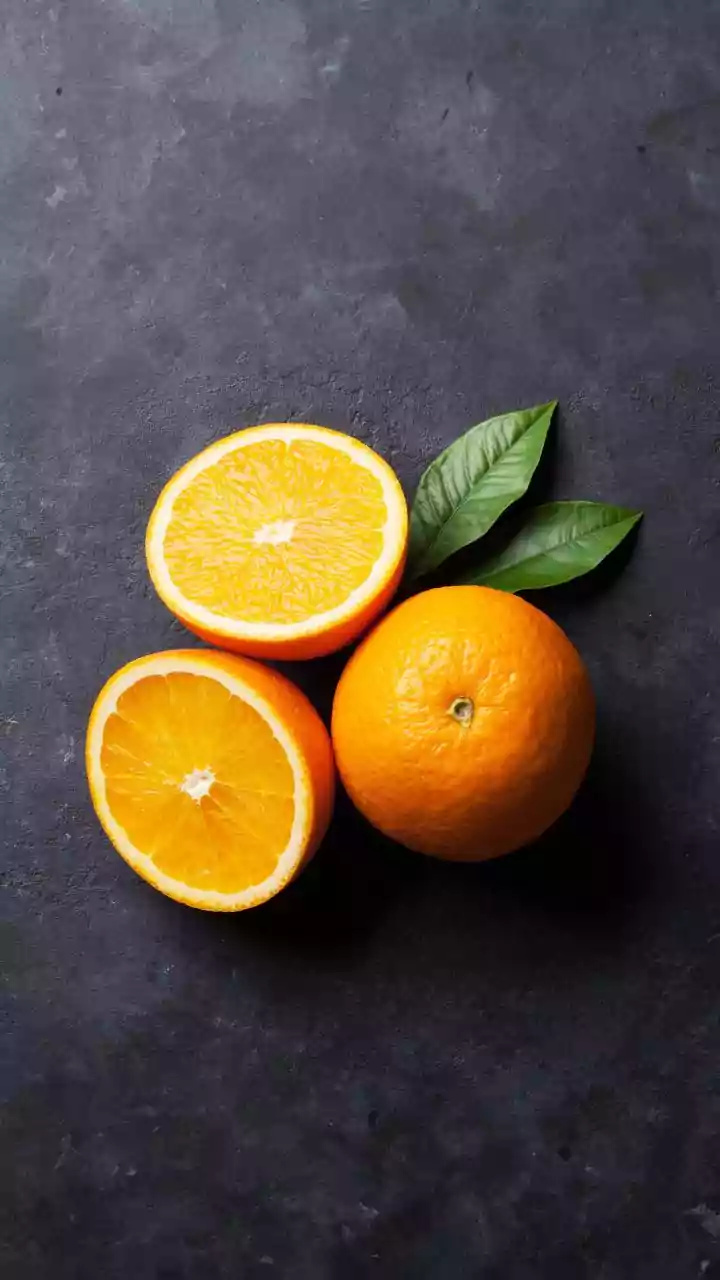
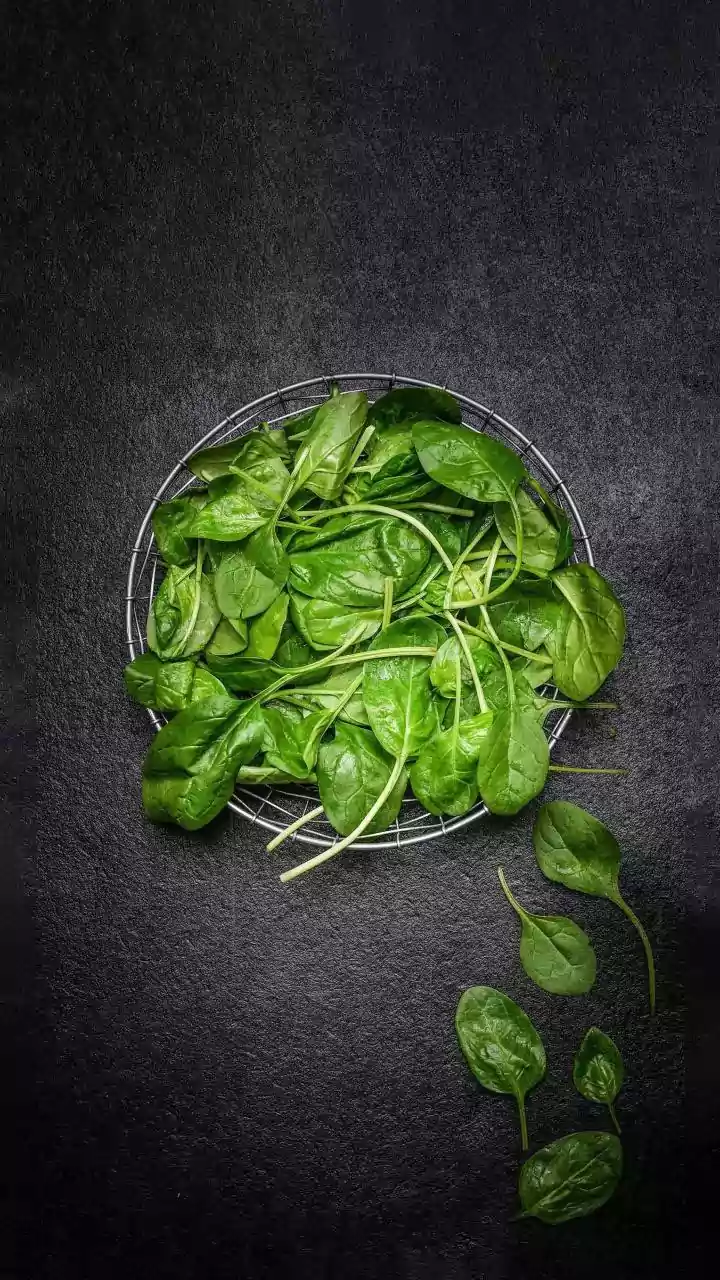
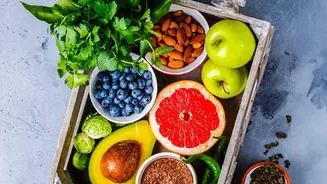
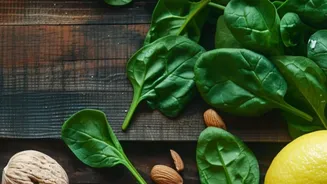
Bringing this science into your kitchen is simple and delicious. The classic combination of citrus and leafy greens is a perfect example. A spinach salad becomes an iron-absorption powerhouse with a squeeze of fresh lemon or orange in the dressing. Blending kale or spinach into a smoothie? Add some strawberries, kiwi, or a small orange to unlock that iron. But it doesn't stop there. Think beyond salads and smoothies. A lentil soup with tomatoes, a tofu stir-fry with bell peppers, or a black bean burrito with a side of citrus salsa are all excellent ways to pair non-heme iron with a rich source of vitamin C.
Watch Out for Iron Blockers
Just as vitamin C enhances iron absorption, other compounds can block it. These are often called 'anti-nutrients'. Phytates, found in whole grains, legumes, and seeds, can inhibit iron uptake. So can tannins, the compounds that give tea, coffee, and red wine their astringent quality. Calcium is another inhibitor, which can be a consideration when pairing leafy greens with dairy products. The good news is that vitamin C is powerful enough to help counteract the effects of these inhibitors. So even when eating a meal high in phytates, like a lentil stew, adding vitamin C can make a significant difference.