





Embrace Strategic Ventilation
It might seem counterintuitive to open windows when it's humid, but ventilation is your first line of defence. Stagnant air traps moisture, creating a breeding ground for mould and mildew. The key is to be strategic. Open windows on opposite sides of your home
for at least 15-20 minutes a day to create a cross-breeze. The best times are usually early mornings or evenings when the outside air is cooler and often less humid. This simple habit flushes out damp, stale air and welcomes in fresh air, making a significant difference.
Harness Natural Dehumidifiers
Before you invest in an expensive appliance, look to your kitchen. Common items can act as powerful, low-cost dehumidifiers. Place bowls of coarse rock salt or baking soda in damp corners, inside wardrobes, or under sinks. Salt is hygroscopic, meaning it naturally attracts and absorbs water vapour from the air. You’ll see the proof as the salt clumps together or even turns wet. Charcoal briquettes (the plain kind, not treated with lighter fluid) are also excellent at absorbing moisture and odours. Place them in a breathable bag or container in closets and shoe racks.
Leverage Your Exhaust Fans
Your kitchen and bathroom exhaust fans are powerful tools against humidity. These are the two rooms that generate the most moisture from activities like cooking and showering. Make it a habit to run the exhaust fan every time you cook or take a shower, and leave it on for about 15-20 minutes afterwards to pull the excess moisture out of the room. This prevents the damp air from spreading to the rest of your house. Regularly cleaning these fans ensures they work efficiently. Wiping down shower walls and kitchen sinks after use also helps reduce standing moisture.
Rethink Your Laundry Routine
Drying clothes indoors is a major source of indoor humidity. If drying outside isn't an option during the rains, you need a smart indoor strategy. First, give your clothes an extra spin cycle in the washing machine to remove as much water as possible. When hanging them to dry, space them out on a drying rack to allow for maximum air circulation; crowded clothes take longer to dry and can develop a musty smell. Position the rack near a window or under a ceiling fan to speed up the process. Ironing clothes that are still slightly damp can also help remove the last traces of moisture.
Use Your Air Conditioner Wisely
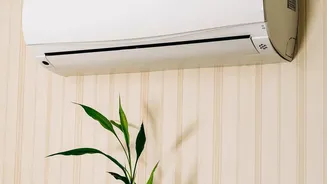
Your air conditioner does more than just cool the air; it also removes humidity. Most modern ACs come with a 'Dry Mode'. This function is specifically designed to reduce humidity levels without significantly dropping the room temperature, making it perfect for the monsoon season. It offers a comfortable, non-sticky environment while being more energy-efficient than running the full cooling mode constantly. It's an effective way to prevent that clammy feeling and keep mould at bay.
Choose the Right Indoor Plants
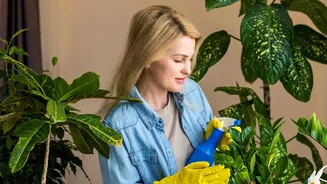
While many plants release moisture, some actually help absorb it from the air. These can be beautiful and natural allies in your fight against dampness. Plants like the Peace Lily, Snake Plant, Spider Plant, and Boston Fern thrive in humid conditions and can help balance the moisture levels in a room. They are relatively low-maintenance and are known to be great for Indian homes. Placing a few of these in damp-prone areas like bathrooms or kitchens can make a small but noticeable difference, while also purifying the air.
Consider a Dehumidifier for Problem Areas
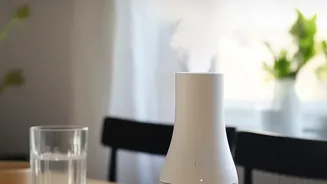
For homes with persistent dampness or for particularly humid rooms like basements and bathrooms, a dedicated dehumidifier might be a worthy investment. These appliances are designed specifically to pull large amounts of moisture from the air, maintaining an ideal humidity level between 30% and 50%. This not only improves comfort but also actively prevents the growth of mould, mildew, and dust mites, which thrive in damp environments. While it's an upfront cost, a dehumidifier can be the most effective solution for severe humidity issues.