



Escaping the Burnout Cycle
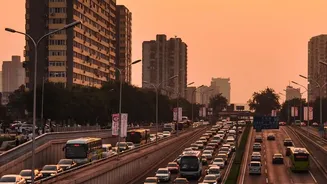
For many young professionals in cities like Mumbai, Bengaluru, and Delhi, life is a high-stakes loop of deadlines, traffic, and digital notifications. The 'hustle culture' that once defined ambition is now a leading cause of chronic stress and burnout.
These weekend trips are a direct response. They represent a conscious decision to step off the hamster wheel, even for just 48 hours. It's less about sightseeing and more about reclaiming headspace, swapping the pressure to perform for the permission to simply be. This deliberate pause helps them return to their demanding jobs with renewed energy and a clearer perspective, making it a crucial part of their wellness routine.
The Search for Authentic Connection
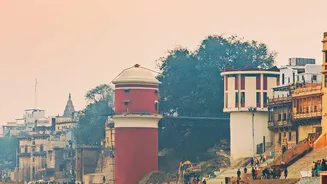
Urban life, for all its connectivity, can often feel anonymous and transactional. Young professionals are increasingly craving authenticity, something that feels more real than curated cafe experiences or crowded malls. Small towns offer a glimpse into a different rhythm of life. Interactions are often more personal, from chatting with a local tea seller to learning about regional crafts. This desire for genuine connection extends to their travel companions as well. A quiet, distraction-free environment allows for deeper conversations and stronger bonds with friends or partners, away from the constant social and professional pressures of the city.
The Healing Power of Nature
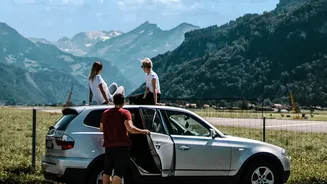
The link between nature and mental well-being is well-documented, and this generation is actively seeking it out. Metro life is often a concrete-bound existence, with limited access to green spaces. A trip to a town nestled in the hills, by a river, or surrounded by fields provides a powerful sensory reset. The simple act of breathing fresh air, hearing birds instead of horns, and seeing an uninterrupted horizon can significantly reduce stress and anxiety. This concept, known as ecotherapy, is no longer a niche idea but a mainstream motivation for weekend travel, offering a potent antidote to the overstimulation of urban environments.
Embracing the Digital Detox
Being constantly tethered to screens is a hallmark of modern professional life. The fear of missing out—on work emails, social media updates, and breaking news—creates a low-grade but persistent anxiety. Many small towns, sometimes by virtue of their remote location, offer a forced digital detox with patchy internet connectivity. More importantly, they provide an environment where logging off feels natural. Without the endless scroll, young professionals find themselves reading a book, taking a long walk, or simply doing nothing at all. This intentional disconnect is vital for mental clarity and helps break the addictive cycle of digital dependency.
The Rise of Slow Travel
This trend also signals a shift away from hyper-scheduled, checklist-driven tourism. Instead of rushing to see ten famous sights in two days, the focus is on 'slow travel'. The goal is to immerse oneself in the local pace of life. It’s about enjoying a long, leisurely meal, spending an afternoon reading in a homestay's garden, or exploring a single lane without a map. This approach is fundamentally restorative because it removes the pressure of optimization that dominates their work lives. It’s a rebellion against the idea that even leisure time must be productive, championing rest as a valid and necessary activity in itself.