


The Festive Rush and Its Hidden Risks
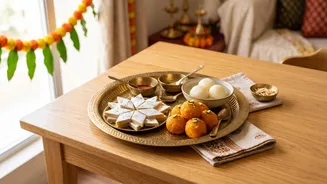
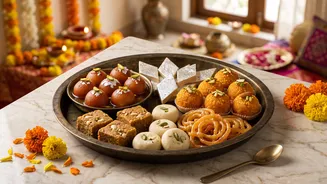
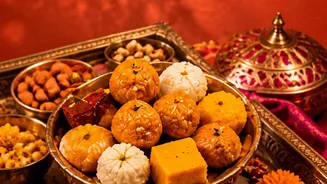
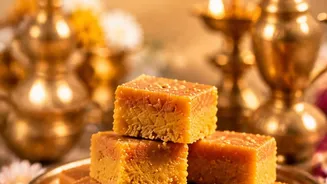
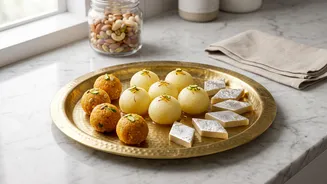
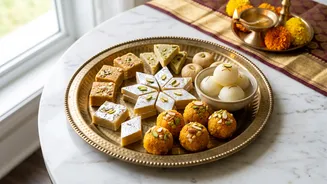
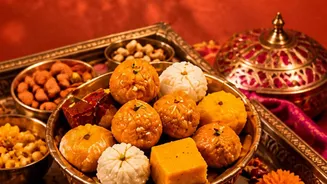
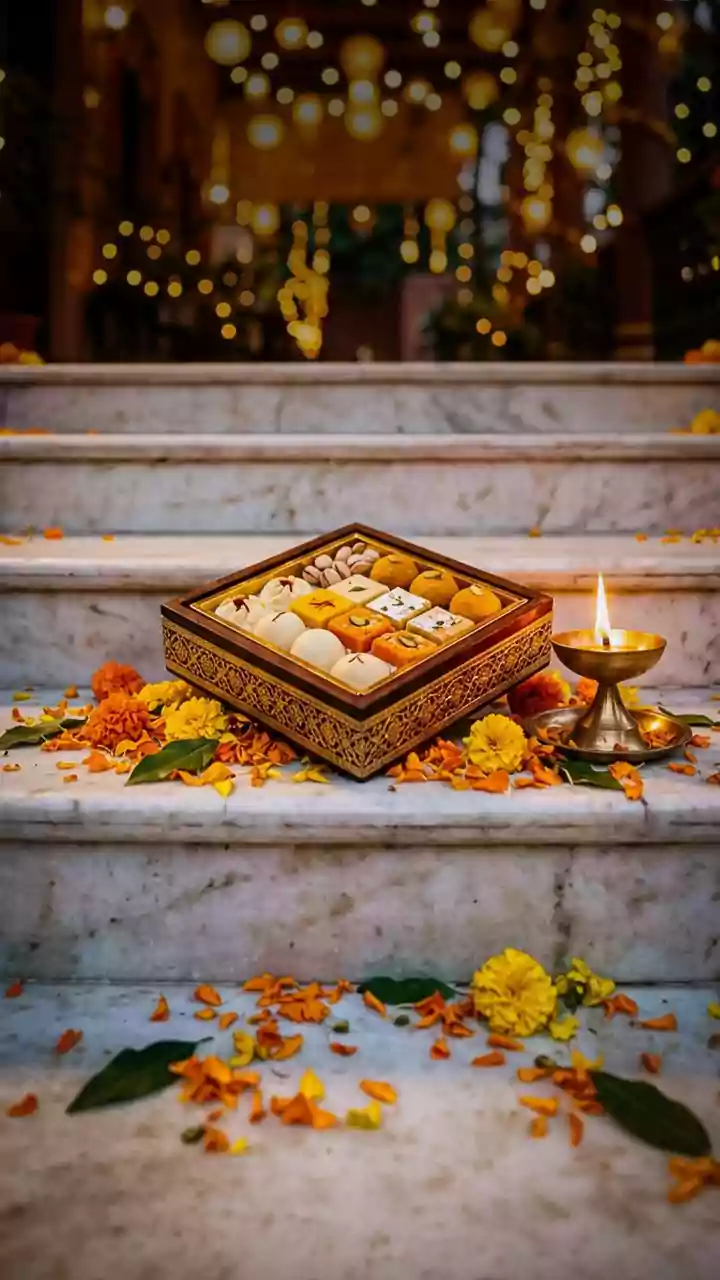
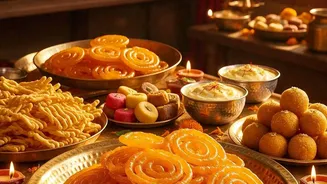
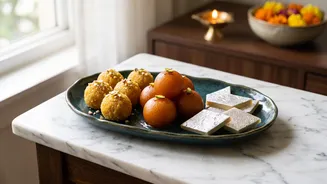
The vibrant displays of laddoos, barfis, and pedas are a cornerstone of Diwali celebrations. However, the immense pressure to meet festive demand can lead some sweet makers to cut corners. To maximise profits, fresh, high-quality ingredients like pure
ghee, milk, and khoya are sometimes replaced with cheaper, harmful substitutes. This economic incentive, combined with the sheer volume of sweets produced, creates a significant risk of both adulteration and spoilage, turning a festive treat into a potential health hazard. The World Health Organization has raised serious concerns about food adulteration, which causes millions of illnesses globally each year. During festivals, this problem becomes particularly acute.
Why 'Use By' Dates Are Non-Negotiable
For years, consumers bought loose sweets with little information about their freshness. Recognising the health risks, the Food Safety and Standards Authority of India (FSSAI) has mandated that all sweet shops, including those selling loose mithai, must display a 'best before' or 'use-by' date. Some states like Uttar Pradesh and Uttarakhand have recently reinforced these rules, making 'use-by' dates mandatory on trays of loose sweets to ensure consumers can make informed choices. A 'use-by' date is a safety marker; consuming sweets after this date can be unsafe. A 'best before' date relates to quality, meaning the sweet might lose its texture or taste but is likely still safe if it looks and smells fine. Milk-based sweets like rabri and kalakand have a very short shelf life, sometimes only a day or two, making these dates critically important.
Spotting the Unseen Enemy: Adulteration
Adulteration is a pervasive issue, especially with key ingredients. Khoya, or mawa, is frequently bulked up with starch, flour, and even blotting paper. Ghee might be mixed with cheaper vanaspati or vegetable oils, increasing unhealthy trans fats. Even the decorative silver foil, or 'vark', can be replaced with aluminium, which is harmful when ingested. Other dangerous additives can include synthetic milk made from detergent and urea, or banned artificial colours that may be carcinogenic. These adulterants not only diminish the quality of the sweets but can lead to digestive issues, organ damage, and severe food poisoning.
Your Guide to Buying Safe Mithai
Being a vigilant consumer is your best defence. Here’s a simple checklist before you buy: Check the Dates: Always look for the 'manufacturing' and 'use-by' or 'best before' dates, even on loose sweets. Trust Your Senses: Fresh khoya-based sweets should have a grainy texture and smell of cooked milk. Avoid sweets that feel pasty, dry, or have a sour or unusual smell. Perform a Quick Starch Test: You can test for starch in khoya at home. Dissolve a small piece in hot water and add a drop of iodine solution. If it turns blue, it's adulterated with starch. Test the Silver Foil: Rub the 'vark' between your fingers. Real silver will disintegrate or crumble into a powder, while aluminium foil will roll into a tiny ball or tear into shreds. * Assess the Shop: Choose shops that appear clean and hygienic, where sweets are properly covered and protected from dust and insects. Look for an FSSAI license number, which should be displayed prominently.
Proper Storage at Home Is Just as Crucial
Once you bring your sweets home, how you store them matters. Most Indian sweets, especially milk-based ones like rasgulla or sandesh, need to be refrigerated in airtight containers to slow microbial growth. Let hot sweets cool down completely before refrigerating to prevent condensation, which causes spoilage. Dry sweets like laddoos or kaju katli should be kept in a cool, dry place away from direct sunlight, also in an airtight container. Avoid mixing different types of sweets in one container, as strong flavours can transfer and impact taste. By storing them correctly, you can preserve their freshness and enjoy them safely for longer.