


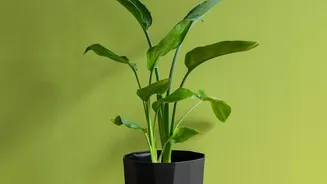
Dreaming of a lush, tropical paradise in your own backyard or balcony? Creating that vibrant, jungle-like feel is easier than you think. It's not about collecting random plants, but about the artful mixing of foliage, colour, and form.
The Foundation: Light and Soil
Before you start
choosing plants, understand their basic needs. Most tropical plants thrive in conditions that mimic their native forest floor environment: warm, humid, and with rich, well-draining soil. In India, this often means providing shelter from the harsh midday sun, especially during peak summer months. An east-facing balcony, a spot under a larger tree, or a shaded patio can be ideal. The soil should be fertile, so enriching your pots or beds with organic compost is a crucial first step. Good drainage is non-negotiable, as waterlogged soil can lead to root rot, a common issue for many tropical species.
The Art of Mixing Foliage
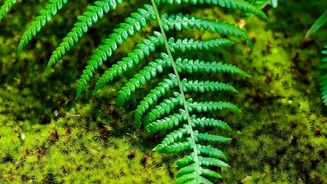
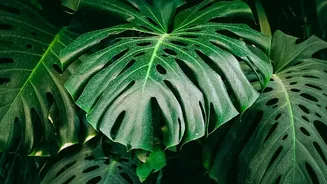
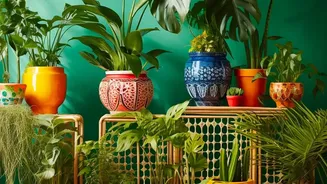
The secret to a stunning tropical garden lies in its foliage. Flowers are fleeting, but leaves provide year-round structure and interest. Aim for diversity in texture, shape, and size to create a dynamic look. Combine plants with large, bold leaves like the Monstera Deliciosa (Swiss Cheese Plant) or Alocasia (Elephant Ear) with finer, more delicate textures from ferns or palms. Mix glossy leaves with matte ones, and simple shapes with intricately cut ones. This contrast is what makes the garden visually exciting. Don't be afraid to use variegated leaves with splashes of white, pink, or yellow to add colour without relying solely on flowers.
Creating Layers for Depth
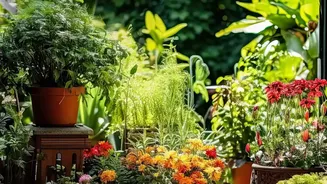
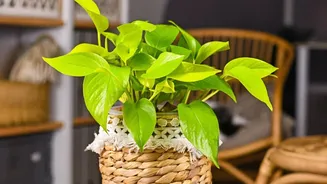
A key principle in tropical design is layering. This technique creates a sense of fullness and mimics the multi-tiered canopy of a real rainforest. Think in terms of three main layers. Start with taller plants like Areca Palms or even a Banana plant to form the 'canopy' or backdrop. The middle layer should consist of medium-sized shrubs and statement plants like Philodendrons, Crotons, or the Peace Lily. This is where you can play with bold shapes and colours. Finally, the lower layer can be filled with ground cover, ferns, or trailing plants like Pothos (Money Plant) that spill over the edges of pots, softening the look.
Foliage Stars for Indian Gardens
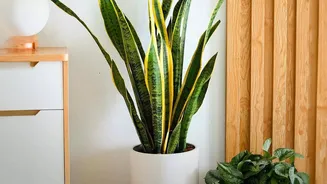
Many tropical plants are well-suited to the Indian climate. For beginners, the hardy Snake Plant and Pothos are practically foolproof. Areca Palms are excellent for adding height and a classic tropical feel. For dramatic foliage, Monstera Deliciosa and various Alocasia and Calathea species are fantastic choices, thriving in the humidity common in many parts of India. Crotons offer a riot of colour in their leaves, performing well in warm, humid conditions. These plants are not only beautiful but many also act as natural air purifiers, improving the environment of your home.
A Pop of Intentional Colour
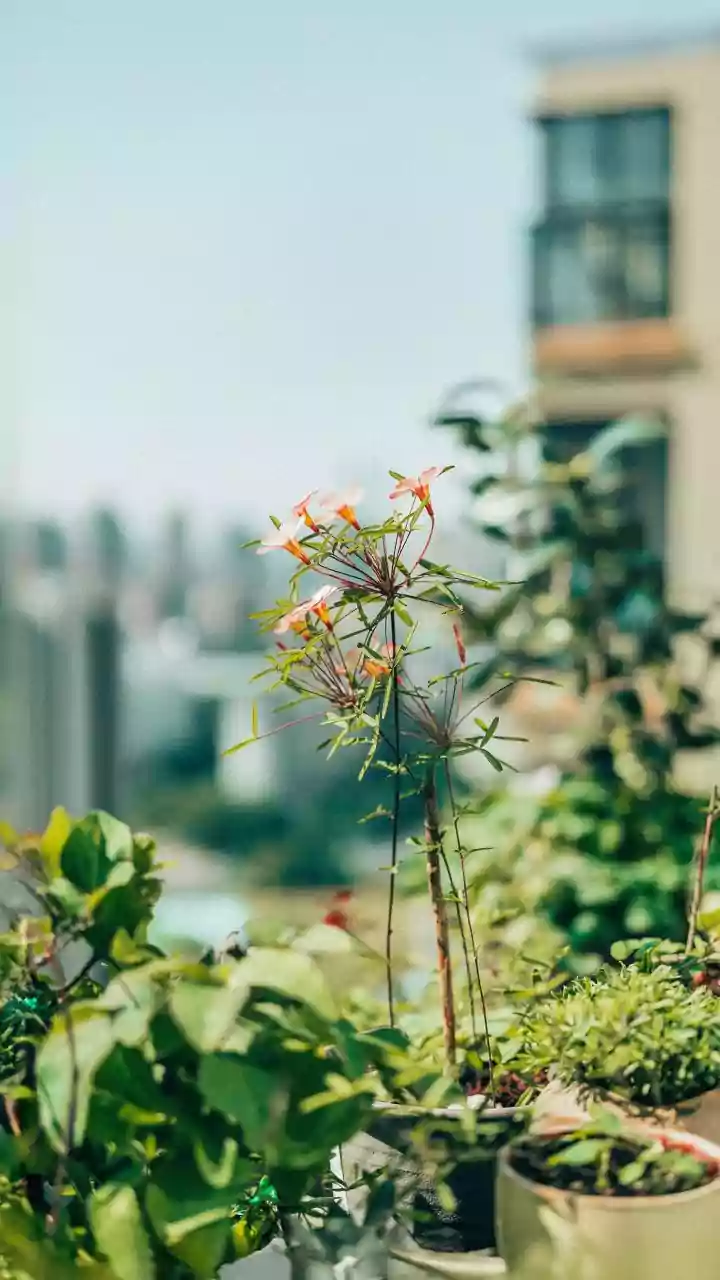
While foliage is the backbone, vibrant flowers provide the exotic highlights. However, the key is to be intentional. Instead of a chaotic mix, use colour to create focal points. Hibiscus, with its large, vibrant blooms, is a classic tropical choice that thrives in India's climate. Bougainvillea is another low-maintenance option that provides spectacular colour. Plants like Peace Lilies and Anthuriums offer elegant flowers that complement the lush greenery. Place these flowering plants strategically to draw the eye and add a burst of energy to your green sanctuary.