





The Doctor is Always In
For many young Indians, the journey to a dermatologist's clinic is paved with obstacles. There's the cost of consultation, the time taken off from college or work, and the geographical lottery of finding a specialist in your town. Social media dismantles
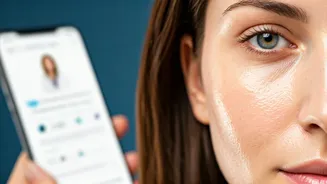
these barriers. A qualified dermatologist sharing free advice on Instagram is accessible to anyone with a smartphone, 24/7. This democratisation of knowledge is a primary driver of the trend. Gen Z, a generation that prioritises convenience and instant access, finds the traditional healthcare model slow and cumbersome. Why wait weeks for an appointment when a reel can explain the basics of managing acne right now? According to reports, a significant portion of this generation feels empowered by the access to information, allowing them to take the first steps in their skincare journey.
Speaking Their Language
Social media dermatologists, or 'dermfluencers', have mastered the art of communication. They trade dense medical jargon for relatable, simplified explainers. Complex topics like 'skin barrier repair' or 'the science of sunscreens' are broken down into bite-sized, engaging content. This creates a sense of trust and relatability that often feels missing in a clinical setting. These online experts don't just lecture; they interact, answer questions in comments, and debunk viral (and often dangerous) DIY hacks. For a generation raised on user reviews and peer recommendations, this feels more authentic than a top-down medical directive. They are not just doctors; they are creators who understand the culture of the internet, making them trusted figures in the crowded online wellness space.
The Rise of 'Skinimalism' and Ingredient Literacy
Unlike the complicated 10-step routines that once dominated beauty blogs, Gen Z is drawn to a more minimalist approach, often called 'skinimalism'. They want to understand what they are putting on their skin and why. Dermfluencers cater directly to this demand for transparency and education. They focus on key active ingredients, teaching their followers how to read labels and build simple, effective routines. This has fuelled a generation of ingredient-savvy consumers who are more interested in the science behind a product than its celebrity endorsement. This educational approach empowers them to make informed choices, moving away from just brand names to focus on formulations that address their specific concerns, such as acne, which affects a large percentage of this demographic.
The Pitfalls of a Paid Partnership
However, the line between education and advertising is becoming increasingly blurred. Many dermatologists on social media engage in paid partnerships with skincare brands, raising ethical questions about the objectivity of their recommendations. When a trusted expert promotes a product, is it because it’s genuinely effective, or is it a sponsored post? Some professionals express concern that this commercialisation can dilute trust. Furthermore, dermatologists on the ground report seeing a rise in patients with damaged skin from misusing potent active ingredients they learned about online. Following generic advice without a personalised diagnosis can lead to irritation, barrier damage, and worsening skin conditions. Experts warn that what works for an influencer may not work for everyone, and self-diagnosis is fraught with risk.