






The Foundation of Respectful Viewing
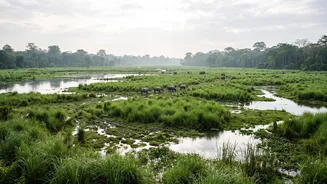
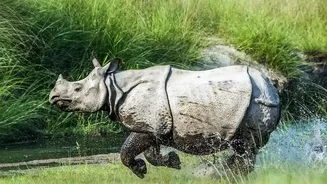
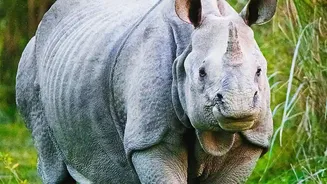
Kaziranga is a global success story in conservation, home to two-thirds of the world's great one-horned rhinoceroses. This success depends on a partnership between park authorities and tourists. The core principle of a responsible safari is simple: you
are a guest in the animals' home. Your actions should not disturb their natural behaviour. This means respecting their space, being mindful of your presence, and following the guidance of the trained naturalists and forest guards who know the park intimately. Their instructions are designed not just for your safety, but for the well-being of the wildlife you have come to see. A good safari is one where the animals are undisturbed by your presence.
Silence is Golden
Loud noises are one of the biggest disturbances in a wild habitat. Animals are highly sensitive to sound, and a sudden shout or loud conversation can cause stress, startle a herd, or make a shy creature retreat into hiding. Keep your voice low and your phone on silent mode. Avoid playing music or using horns. The quieter you are, the more you will hear of the forest's natural soundtrack—the call of a hornbill, the rustle of a deer in the grass, or the distant roar of a tiger. This discipline not only protects the animals but dramatically enhances your own experience, allowing for more natural and prolonged sightings.
Maintain a Safe and Respectful Distance
The desire to get the perfect photograph is understandable, but it should never come at the expense of an animal's comfort or safety. Never ask your driver to get dangerously close, block an animal's path, or chase it. Reputable guides are trained to judge a safe distance based on the species and its behaviour. Getting too close can provoke a defensive reaction, especially from protective mothers or large animals like elephants and wild buffalo. Always stay inside the safari vehicle unless you are at a designated safe point. Remember to turn off your camera's flash, as the sudden burst of light is jarring and can disorient nocturnal animals or cause panic.
Choose Your Tour Operator Wisely
Your choice of safari operator and accommodation has a direct impact on conservation. Opt for tour companies and lodges that demonstrate a clear commitment to ethical practices. Responsible operators use authorized guides, adhere to park regulations, contribute to local community welfare, and prioritize animal welfare over guaranteed sightings. They will educate you on park rules and the importance of conservation. Similarly, staying at eco-friendly lodges that manage waste responsibly and employ local staff helps ensure that your tourism money supports the people and environment you are visiting.
Leave No Trace Behind
This is a fundamental rule of any natural space. Do not litter. Carry all your waste, including food wrappers and plastic bottles, back with you to be disposed of properly outside the park. Plastic pollution is a major threat to wildlife, who can ingest it or become entangled. Smoking and lighting fires are strictly prohibited as they pose a huge risk of devastating forest fires. Do not feed any animals. Feeding them makes them dependent on humans, alters their natural foraging habits, and can lead to aggressive behaviour. The goal is to leave the park exactly as you found it, preserving its pristine condition.
Dress for the Occasion
What you wear can also make a difference. Brightly coloured clothing, such as red or white, can make you stand out and may inadvertently attract unwanted attention from wildlife. It is always best to wear neutral, earth-toned colours like khaki, brown, and olive green that blend in with the natural surroundings. This helps you remain inconspicuous and observe animals without causing a disturbance. Comfortable, layered clothing is practical for the changing temperatures during early morning and late afternoon safaris. A hat and sunscreen are also essential for protection from the sun.