
From Nuisance to Necessity
For years, the corner was the most neglected part of any room. Standard rectangular furniture leaves gaps, creating dust traps and dead zones. This is especially true in compact urban homes where every square inch counts. The awkward-corner trend flips
this on its head, treating these angles as valuable real estate. Designers and homeowners are now looking at corners as the perfect place to build in function, reclaiming lost space and turning it into a deliberate design feature. The goal is to make the corner an intentional part of the room’s decor and utility, rather than an unfortunate byproduct of its geometry.
Floating Shelves: The Vertical Solution
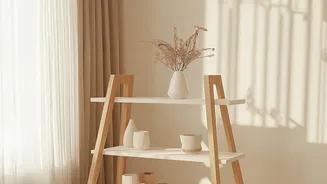
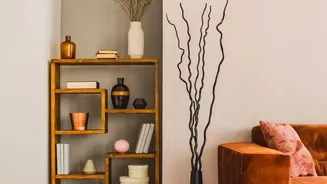
One of the most popular and visually appealing ways to tackle a corner is with floating shelves. These can be simple triangular shelves that nestle perfectly into the 90-degree angle or longer shelves that wrap around the corner. They draw the eye upward, making the room feel taller and more open. Staggering shelves at different heights creates a dynamic display for books, plants, and decorative objects, turning the corner into a focal point. This approach is particularly effective in living rooms and bedrooms, adding significant storage without taking up any floor space.
Custom Cabinetry: The Seamless Fit
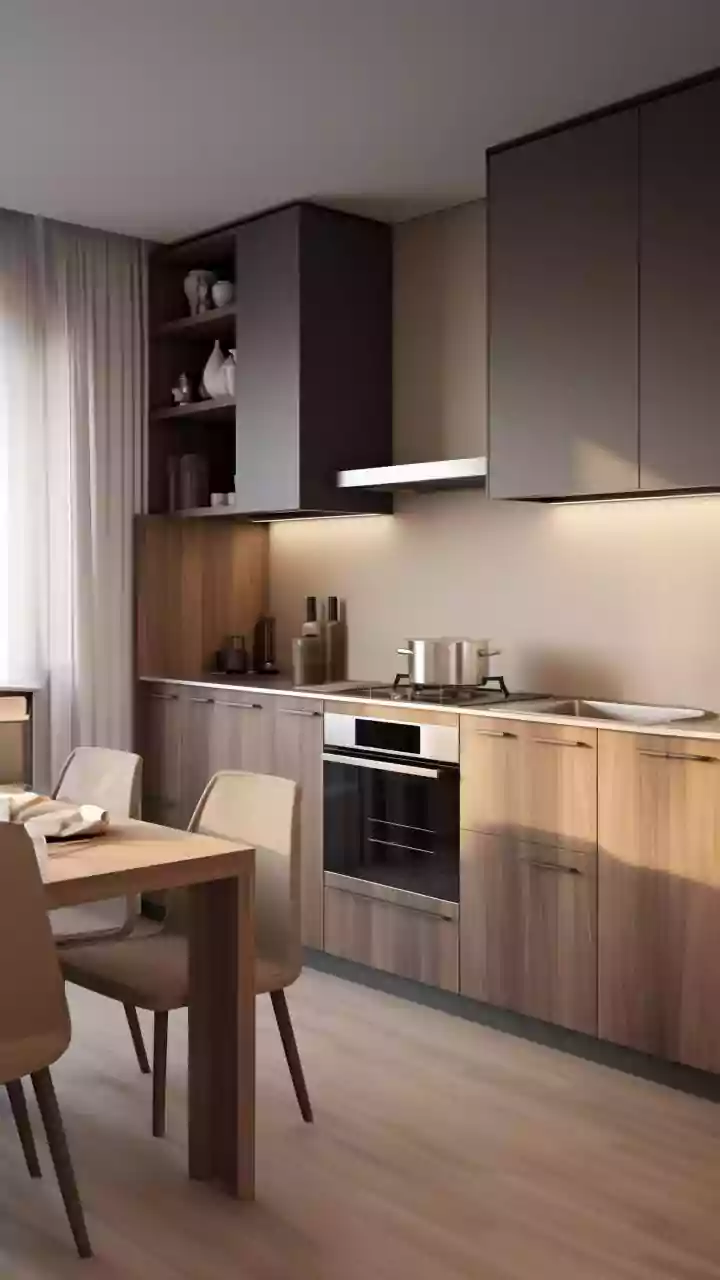
For a fully integrated and high-impact solution, custom built-in cabinetry is unmatched. While it represents a larger investment, it offers the most seamless and efficient use of space. In the kitchen, specialized pull-out systems, often called 'magic corners', solve the problem of deep, unreachable base cabinets by swinging the contents out into the room for easy access. In a bedroom, an L-shaped wardrobe extension can eliminate the dead space a standard closet would create. Floor-to-ceiling corner bookshelves can anchor a living room, providing immense storage and a polished, intentional look.
The Cosy Corner Nook
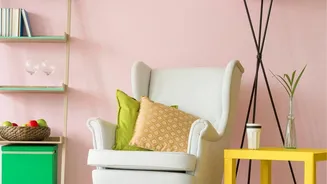
Not all corner solutions are purely about storage; some combine it with comfort and purpose. The reading nook is a perfect example, transforming a quiet corner into a cosy retreat. This can be achieved with a comfortable armchair paired with a slim floor lamp and a small side table or a set of low shelves. For a more built-in feel, a corner bench with integrated storage drawers or a lift-up seat provides a place to both sit and stash blankets, books, or games. It carves out a new, functional area in the home that feels like a bonus space.
Flexible and Freestanding Options
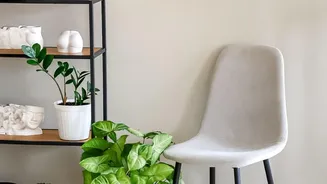
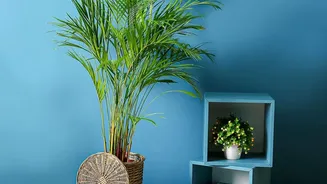
If built-ins aren't an option, freestanding furniture designed for corners can be just as effective. Tall, slender bookcases, tiered plant stands, or corner-specific desks make excellent use of vertical space while slotting neatly into place. Near an entryway, a corner hall tree can provide a designated spot for coats, bags, and shoes, keeping clutter organised. In a dining or living area, a bar cart tucked into a corner becomes a stylish and practical station for drinks and glassware. These pieces offer flexibility and can be moved or repurposed as your needs change.