



The Classic Renter's Problem
For young professionals and students in India, moving cities for a new job or better education is a rite of passage. But this mobility comes with a significant challenge: what to do about furniture? Traditionally, options were limited. One could either
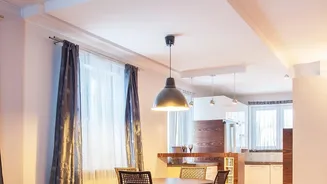
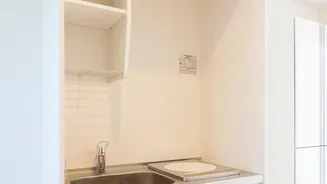
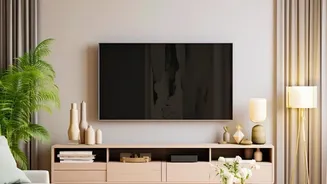
invest in heavy, expensive wooden pieces that are a nightmare to transport, or rent a fully-furnished flat, often with outdated or unappealing items at a higher cost. Many landlords prefer to offer unfurnished flats to attract long-term tenants, leaving the responsibility of furnishing on the renter. This often leads to a state of perpetual pause, where renters hesitate to invest in creating a comfortable home, knowing it's all temporary. The result is often a half-finished space that doesn't feel like home.
Enter: The Flexible Furniture Solution
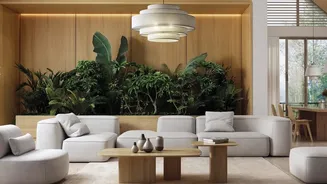
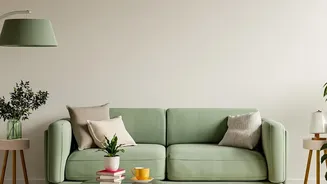
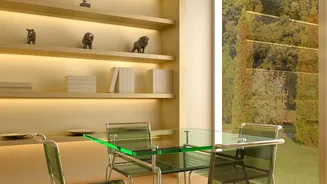
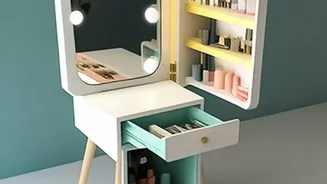
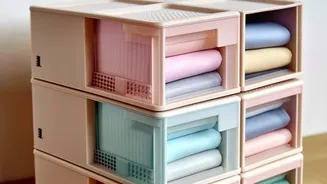
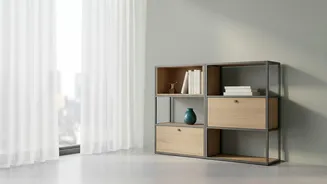
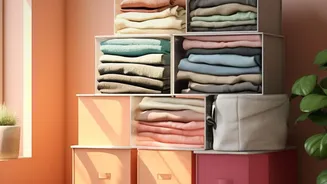
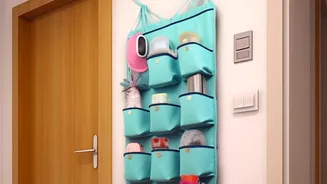
Flexible furniture is the antidote to this rental dilemma. This category isn't defined by a single style but by a philosophy of adaptability. It includes modular pieces, like sectional sofas that can be rearranged or expanded, and multi-functional items that serve more than one purpose. Think coffee tables that convert into dining tables, beds with hydraulic storage underneath, or foldable wall-mounted desks perfect for hybrid work culture. The core idea is to maximize utility in compact urban homes where every square foot matters. These pieces are often lightweight, easy to assemble and dismantle without special tools, and designed to be moved, making them ideal for a generation that values mobility.
Why It Resonates with Young India
The appeal of flexible furniture for Millennials and Gen Z is about more than just convenience; it’s a reflection of their lifestyle and values. With urbanization leading to smaller apartment sizes, space-efficient solutions are a necessity. This generation is accustomed to a dynamic life, where a living room might need to be a home office by day and a social hub by night. Flexible designs empower this fluidity. Moreover, there's a strong desire for personalization. Young renters want their space to reflect their personality without the permanence and high cost of traditional furniture. Modular systems allow for creative expression and can be adapted as needs or tastes change.
A Smarter, More Sustainable Choice
Beyond practicality, this trend is also driven by a growing consciousness around sustainability and finances. Many young consumers are rejecting the 'fast furniture' model of cheap, disposable items that contribute to waste. They prefer to invest in quality pieces that will last and can move with them through different phases of life. While a solid wood piece may seem expensive upfront, the cost is justified by its longevity. Flexible furniture offers a middle path: durable, adaptable pieces that reduce the need for constant replacement. This approach is not just about saving money in the long run but also about making more environmentally responsible choices.
The Indian Market Catches On
Sensing this significant shift in consumer behaviour, the Indian furniture market is responding enthusiastically. A growing number of startups and established brands are now specializing in modular and space-saving solutions. Companies like SpaceMax, Innofur, and Wallter Systems are focusing on innovative products designed for modern Indian homes. The growth of e-commerce has made these options more accessible than ever, allowing customers to browse and order pieces tailored to their specific needs from anywhere in the country. This competition is driving innovation, leading to better designs, more functionality, and competitive pricing, making it a win-win for the young Indian renter.