


Beyond the Yoga Mat
While yoga has become a global wellness ambassador for India, it is only one piece of a vast and ancient fitness puzzle. Today, a new generation is looking beyond the familiar asanas to explore disciplines that once trained warriors and wrestlers. Practices
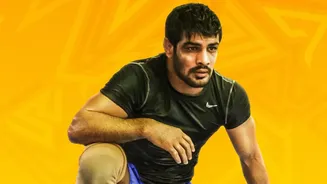
like Mallakhamb (pole gymnastics), Kalaripayattu (an ancient martial art), and Kushti (traditional wrestling) are finding fresh energy. This is not just a nostalgia trip; it's a rediscovery of holistic, functional, and powerful ways of training that challenge the body and mind in ways that a treadmill or dumbbell rack often cannot. This revival signals a broader cultural shift, where young Indians are seeking authenticity and a deeper connection to their roots through the very way they move.
The Gravity-Defying Rise of Mallakhamb
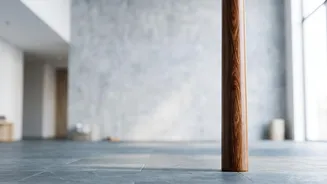
Perhaps no discipline captures this trend better than Mallakhamb. Often translated as 'wrestler's pole', it is a breathtaking art form where athletes perform a blend of gymnastics, yoga, and wrestling grips on a vertical wooden pole or rope. Far from being a forgotten relic, Mallakhamb is thriving, especially in states like Madhya Pradesh, where dedicated training centres are producing national champions, some as young as 11 years old. The sport demands extraordinary strength, flexibility, and focus. For young practitioners, its appeal lies in its sheer challenge and its visual spectacle — a dynamic dance that defies gravity. It builds a unique kind of functional strength and body control that is seeing it gain respect in modern calisthenics and movement communities.
Reviving the Warrior's Art: Kalaripayattu
In the southern state of Kerala, another ancient discipline is captivating young minds: Kalaripayattu. Considered one of the oldest martial arts in the world, it is a complete system of combat that includes strikes, kicks, grappling, weaponry, and even healing techniques based on knowledge of the body's vital points. After facing a decline during the British colonial era, Kalaripayattu is experiencing a powerful resurgence. Young people are drawn to it not just for self-defence, but for the immense discipline, confidence, and mental focus it instills. Masters, or Gurukkals, teach that it is a way of life, promoting inner harmony as much as physical power. Its fluid, animal-inspired movements and philosophical depth offer a profound alternative to repetitive workout routines.
Why Now? The Search for Holistic Wellness
The turn towards these traditional practices is driven by a confluence of modern desires. Many young people are growing weary of a fitness culture that often prioritizes aesthetics over ability. Traditional forms, in contrast, offer holistic development — connecting body, mind, and spirit. There is a growing appreciation for functional fitness, which builds strength for real-life activities, something inherent in disciplines developed for combat and physical labour. Furthermore, in a digitally saturated world, these practices provide a tangible link to cultural heritage, offering a sense of identity and pride. They are also often more accessible, requiring minimal equipment and fostering a strong sense of community, whether in a village 'akhara' or a city-based 'kalari'.
From Gurukuls to Instagram Reels
Ironically, modern technology is playing a key role in popularizing these ancient arts. Where knowledge was once passed down through a strict guru-shishya tradition, today it is being shared globally through social media. A stunning Mallakhamb performance or a fluid Kalaripayattu sequence can go viral on Instagram or YouTube, introducing these forms to a massive new audience. This increased visibility, combined with their appearance in popular talent shows, has demystified the disciplines and made them more approachable. This digital exposure helps bridge the gap between ancient traditions and modern lifestyles, ensuring that these invaluable fitness systems not only survive but evolve and thrive for generations to come.