



The Rise of the Ghost Kitchen
They go by many names: cloud kitchens, ghost kitchens, or dark kitchens. The concept is simple but disruptive. These are professional cooking facilities designed exclusively for food delivery. There is no storefront, no seating, and no waitstaff. By shedding
the enormous costs of prime real estate, interior design, and front-of-house service, entrepreneurs can launch a food brand with a fraction of the investment needed for a traditional restaurant. Startup costs can be 5 to 10 times lower, with an initial investment of ₹5-20 lakhs being viable, compared to crores for a dine-in establishment. This lean model dramatically lowers financial risk, encouraging experimentation. The kitchen’s location is chosen for delivery logistics, not foot traffic, allowing it to be in a low-rent industrial area while still serving a wide radius of a dense urban neighbourhood.
A Perfect Recipe for Niche Cuisines
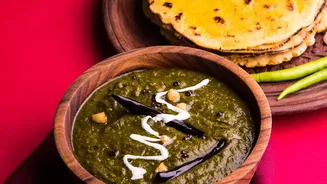
The low-risk nature of cloud kitchens makes them the perfect incubator for niche culinary concepts. While a large, expensive restaurant needs to appeal to a broad customer base to survive, a dark kitchen can thrive by serving a smaller, more dedicated community of food lovers. This has thrown open the doors for chefs and entrepreneurs passionate about preserving and promoting India’s vast and varied culinary heritage. Cuisines that were once confined to specific regions, communities, or even families can now find a commercial platform. Think of complex royal recipes from Malwa or the earthy, rustic dishes from tribal Jharkhand. These are foods with incredible stories but which may not have immediate mass-market recognition. The cloud kitchen model allows a brand to test these unique flavours in a metro market, building an audience gradually through quality and authenticity without the pressure of filling hundreds of seats every night.
From Remote Villages to Urban Menus
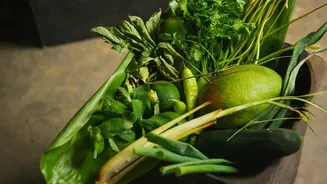
This trend is already taking shape across India. In Mumbai, Anuradha Joshi Medhora’s cloud kitchen, Charoli, has been reviving and serving rare dishes from the royal kitchens of Malwa, finding profitability from its first day of operations. Her menu features delicacies that tell a story of Rajput, Maratha, and Persian influences. Meanwhile, in Delhi, a cloud kitchen named Rosei Ghara is dedicated to bringing the homestyle, authentic flavours of Odisha to the capital's discerning diners. It focuses on dishes rarely seen on mainstream menus, like slow-cooked Bamboo Mutton, celebrating culinary traditions passed down through generations. These ventures are not just selling food; they are offering a taste of history and culture, carefully prepared in a modern, efficient format. The biggest challenge often lies in sourcing, with founders sometimes travelling to remote weekly markets to find the authentic, seasonal ingredients that define their cuisine.
Building a Digital Tribe of Followers
Without a physical address for customers to visit, how do these micro-outlets build a loyal following? The answer lies in digital community-building and a relentless focus on quality. These brands leverage social media and food aggregator platforms like Swiggy and Zomato not just for orders, but for storytelling. They share the history behind their recipes, the cultural significance of the ingredients, and the passion that drives their cooking. This narrative of authenticity resonates deeply with urban consumers tired of generic options and seeking genuine food experiences. Because customer loyalty is built almost entirely on the food itself and the efficiency of delivery, quality and consistency become paramount. Positive reviews and word-of-mouth in the digital space are their lifeblood, turning curious first-time customers into a dedicated 'tribe' of followers who champion the brand online and order repeatedly.