





The Salt vs. Sodium Showdown
First, let's clear up a common confusion: salt and sodium are not the same thing. Table salt is technically sodium chloride. By weight, it's about 40% sodium and 60% chloride. It's the sodium part that health experts are concerned about. While our bodies
need a small amount of sodium to manage fluid balance and nerve function, too much is a major risk factor for high blood pressure (hypertension), heart disease, and stroke. The World Health Organization (WHO) and Indian health bodies recommend that adults consume less than 5 grams of salt per day, which translates to about 2,000 milligrams (mg) of sodium. However, the average Indian consumes nearly double this amount, often around 11 grams of salt daily.
Unmasking the Hidden Sodium Suspects
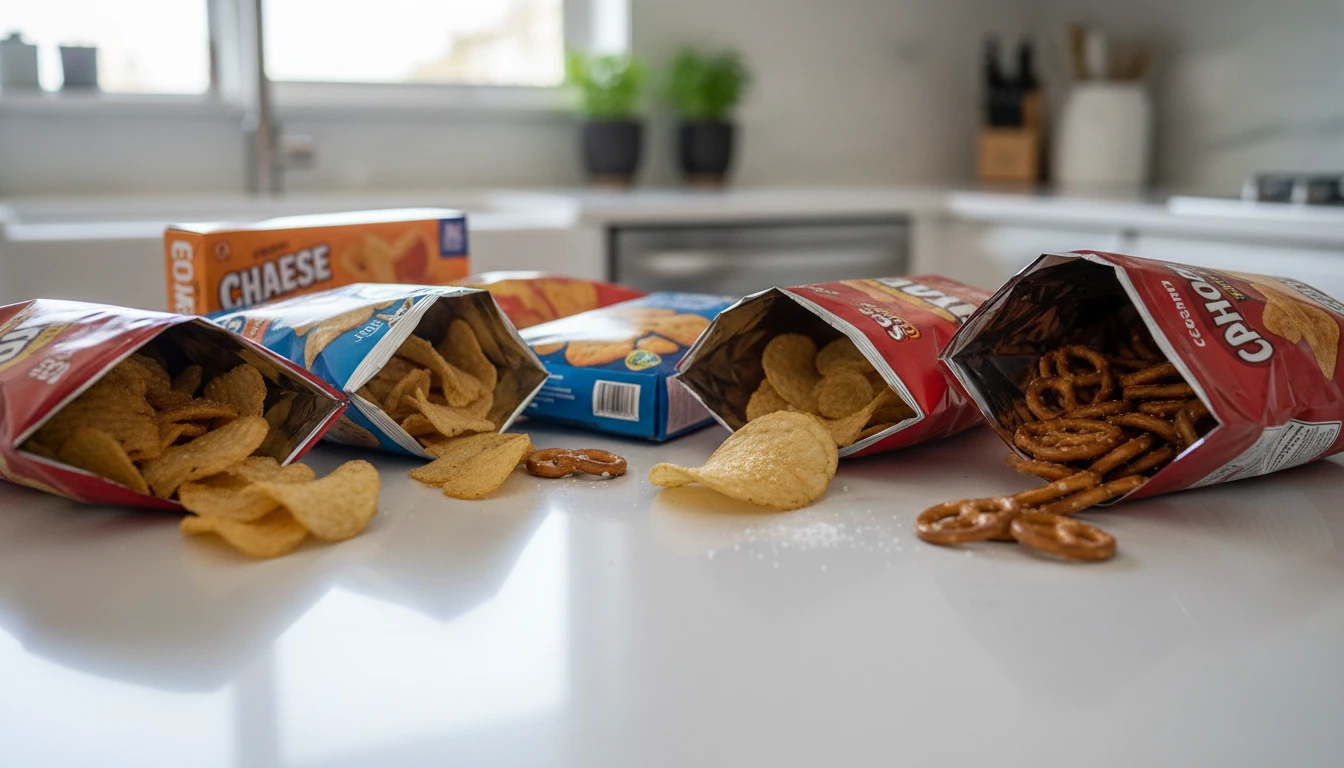
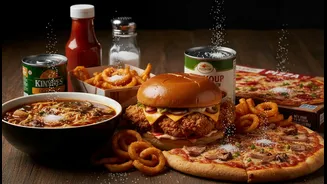
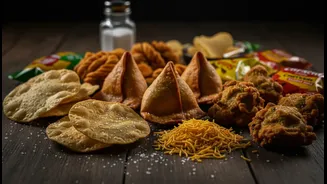
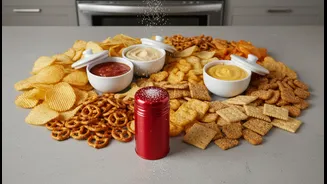
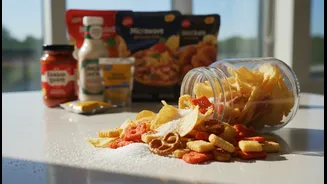
If most of us aren't emptying the salt shaker onto our food, where is all this extra sodium coming from? The biggest culprits are processed and packaged foods, where sodium is used not just for flavour but also as a preservative to extend shelf life. In the Indian context, the list of high-sodium foods is long and often surprising. It includes obvious items like pickles (achar), papads, and savoury snacks (namkeen), but also many staples you might not suspect. Breads, breakfast cereals, biscuits, instant noodles, and ready-to-eat soups and gravies are often packed with sodium. Even sauces, ketchup, and some spice mixes (masalas) can contribute significantly to your daily sodium load.
How to Become a Sodium Detective
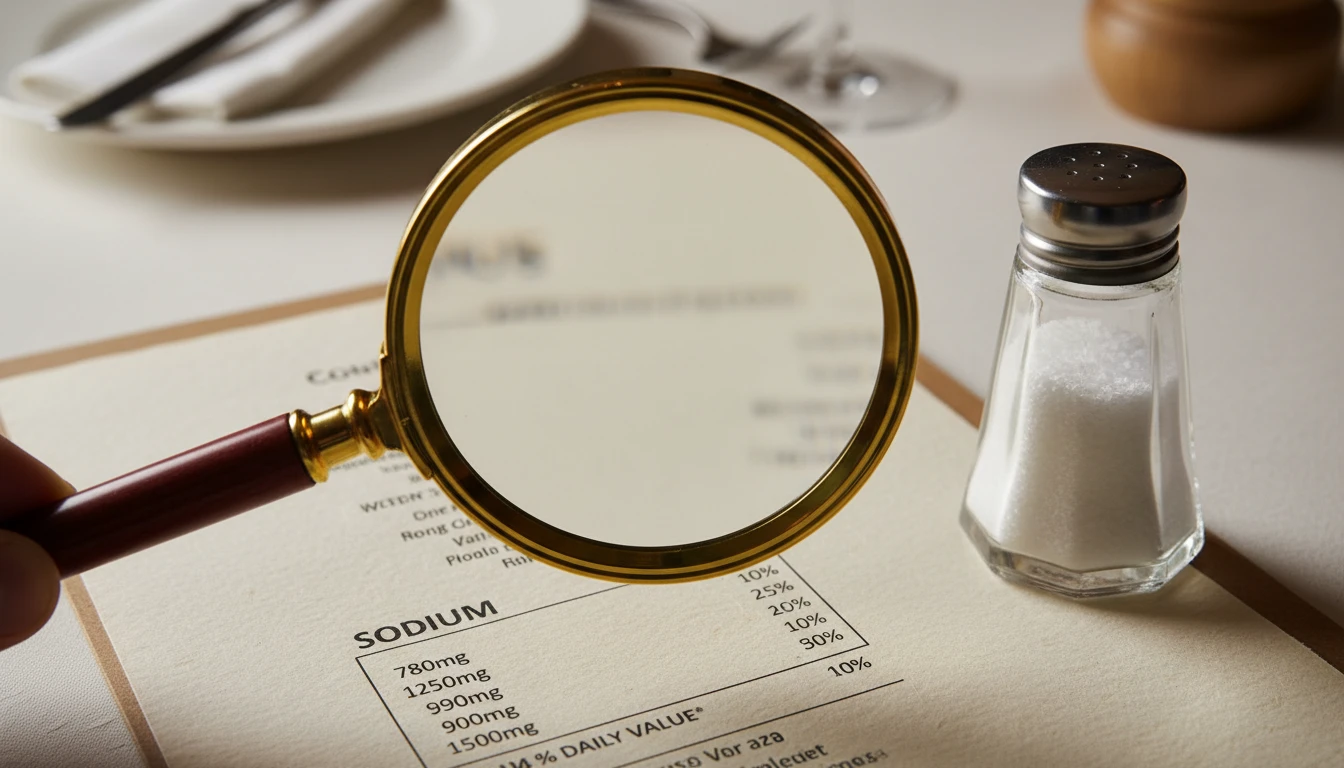
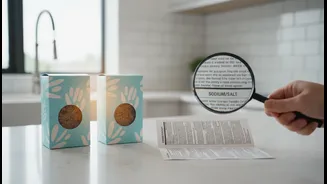
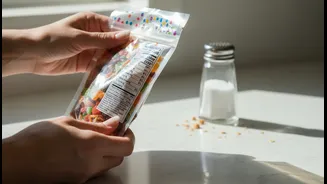
Your most powerful tool in this fight is the ability to read a Nutrition Facts label. All pre-packaged foods in India are required to list nutritional information, including sodium content. When you pick up a package, look for the 'Nutritional Information' table. Find the line for 'Sodium' and note the amount in milligrams (mg) per serving and often per 100g. Pay close attention to the 'serving size.' A small packet of chips might seem harmless, but the label could state there are two or three servings in the bag. If you eat the whole packet, you need to multiply the sodium per serving accordingly.
Decoding On-Package Claims
Food marketers often use claims that can be confusing. FSSAI has specific definitions for these terms. 'Low Sodium' means the product has 120 mg of sodium or less per 100g. 'Sodium-Free' means it has less than 5 mg of sodium per 100g. Be wary of terms like 'Reduced Sodium', which simply means it has at least 25% less sodium than the regular version of that product—it doesn't necessarily mean it's a low-sodium food overall. Also, phrases like 'No Added Salt' don't mean the product is sodium-free; it just means no extra salt was added during processing, but the ingredients themselves might naturally contain sodium.
Practical Tips for a Lower-Sodium Life
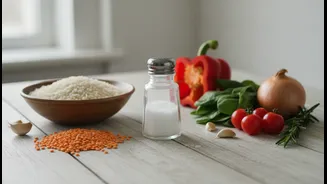
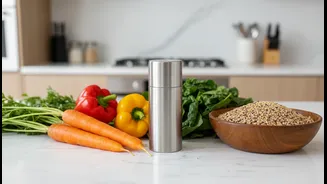
Reading labels is the first step, but you can also make active choices to lower your intake. Cook at home as much as possible, as restaurant and takeaway foods are typically very high in salt. When you do cook, get creative with flavour. Instead of reaching for salt, use herbs, spices, ginger, garlic, lemon juice, and vinegar to season your food. Choose fresh fruits and vegetables, as they are naturally low in sodium. If you use canned beans or vegetables, rinsing them under water can wash away a significant amount of sodium. And finally, start small. On your next grocery trip, compare the labels of two similar products, like two brands of bread or ketchup, and choose the one with less sodium. Small changes, when made consistently, lead to big health benefits.