
An Art Born of the Desert
Lippan Kam, also known as mud-and-mirror work, is a traditional mural art form from the Kutch region of Gujarat. Its name comes from the local word 'Lippan,' which means 'to apply' or 'plaster,' pointing to its origins as a way to finish the walls of homes.
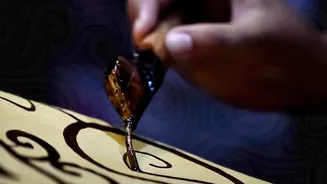
For generations, communities like the Rabari, Mutwa, and Meghwal have practiced this craft, decorating the inner and outer walls of their circular mud huts, or 'bhungas'. Traditionally, the art was made from a readily available mixture of clay and camel or donkey dung, which acted as a natural binder. This mixture was not only eco-friendly but also served a practical purpose, helping to insulate the homes against the harsh desert climate. Into this wet mud relief, artisans would press small, hand-cut pieces of mirror called 'aabhla', creating patterns that would catch the sunlight and brighten the dark interiors.
From Kutch Huts to Urban Condos
What was once an architectural feature is now a celebrated art form gracing urban homes. The transition from a village wall to a city apartment required some clever adaptation. Traditional Lippan murals were beautiful but permanent and heavy. Today, artists have innovated to make the art portable and durable for modern living. Instead of mud walls, they use sturdy and lightweight MDF boards or plywood as a base. The traditional mud and dung mixture has been largely replaced with materials like plaster of Paris, chalk powder, or various air-dry clays that are easier to source and work with in an urban setting. This evolution has allowed Lippan Kam to travel beyond Kutch, finding a new audience and a new life in contemporary interior design without losing its essential character.
A Dialogue Between Old and New
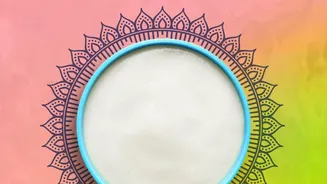
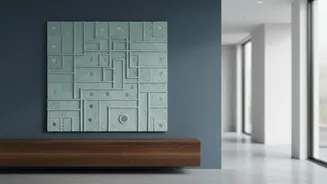
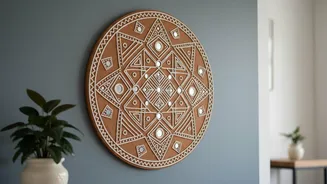
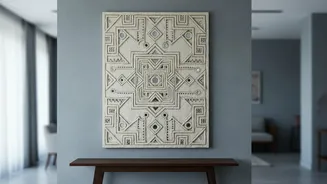
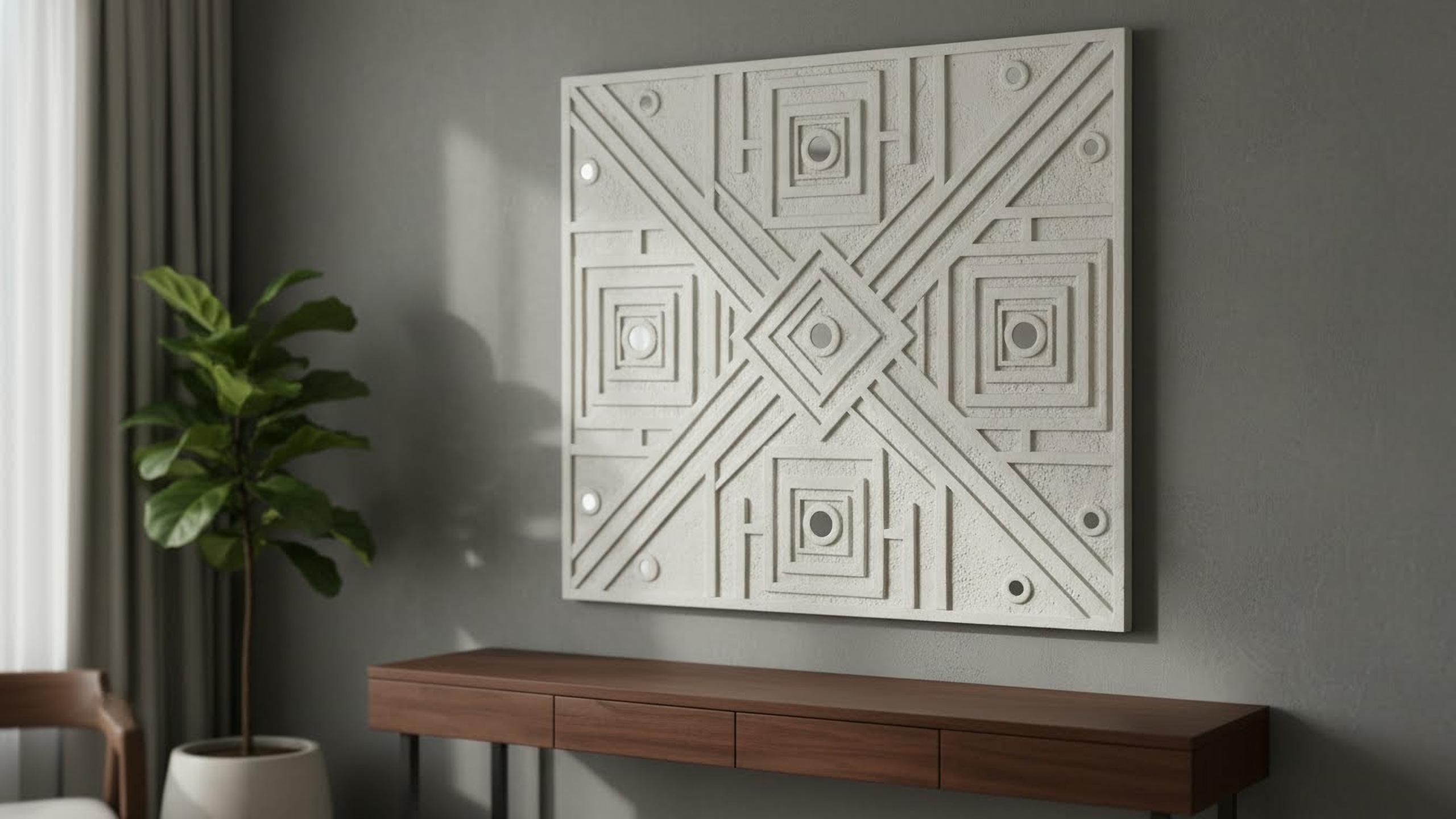
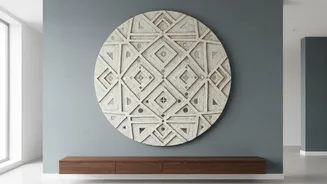
The appeal of Lippan art in a modern apartment lies in its beautiful contrast. In spaces often dominated by smooth surfaces, clean lines, and neutral palettes, a Lippan artwork introduces texture, history, and a touch of the organic. The hand-sculpted clay ridges provide a tactile quality that minimalist decor can sometimes lack, while the glittering mirrors add a dynamic play of light that changes throughout the day. The motifs, while traditional — often featuring peacocks, camels, flowers, and geometric patterns — feel surprisingly at home alongside modern furniture. A large, all-white Lippan piece can serve as a stunning, sophisticated focal point, while smaller, more colourful works can add a pop of ethnic charm. It is a statement piece that does more than just decorate; it tells a story of heritage, craftsmanship, and sustainability.
Bringing Kutch Home
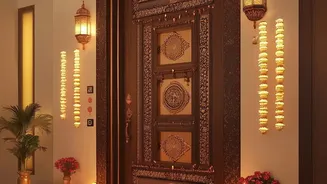
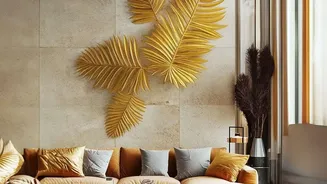
Incorporating this art into your living room is about creating a focal point. A large, circular Lippan panel can be hung above a sofa to anchor the room, much like a statement painting. For a more subtle approach, a collection of smaller square or rectangular pieces can be arranged into a gallery wall, allowing you to mix and match different patterns and sizes. These artworks work well in entryways, on accent walls, or in any space that could use a touch of reflective light and intricate detail. Maintenance is relatively simple; a gentle dusting is usually all that is required to keep the mirrors sparkling. By choosing a piece of Lippan art, you are not just acquiring a beautiful object; you are supporting artisans and keeping a centuries-old cultural tradition alive and relevant.