






The All-Natural Sweetener
What makes figs so special is their complex flavour and natural sugar content. Unlike refined sugars that offer a sharp, one-note sweetness, figs provide a milder, more nuanced taste with hints of honey and berry. Their soft, jammy texture, especially
when cooked, can mimic the satisfying richness of a dessert spread or filling. This is because figs are technically a collection of inverted flowers, a unique botanical trait that contributes to their distinctive profile. Historically, long before processed sugar became common, figs were used to sweeten dishes, a practice that modern home cooks are rediscovering as they seek healthier alternatives.
A Nutritional Powerhouse
Despite their dessert-like qualities, figs are packed with nutritional benefits. They are an excellent source of dietary fibre, which promotes digestive health and helps you feel full and satisfied longer. This fibre also has prebiotic properties, which means it feeds the beneficial bacteria in your gut. Figs are also rich in essential minerals, including potassium, calcium, and magnesium. In fact, figs contain more calcium than many other common fruits, making them a great addition to support bone health. With a host of vitamins and antioxidants, they are a wholesome way to start your day.
Upgrade Your Morning Oatmeal
One of the easiest ways to incorporate figs is by stirring them into your morning porridge or oatmeal. Whether you use fresh or dried figs, they will soften in the warm cereal, releasing their sweetness and creating a creamy, luxurious texture. For an extra touch, try caramelizing fresh fig halves in a pan for a few minutes before adding them as a topping. The heat intensifies their natural sugars, making your simple bowl of oats feel like a gourmet treat. A sprinkle of cinnamon or chopped nuts complements the flavour perfectly.
Elevate Yoghurt and Toast
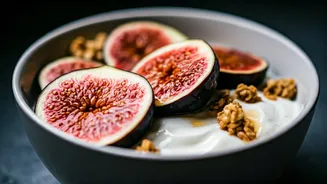
A breakfast bowl with yoghurt, granola, and fresh figs is another simple yet elegant option. The sweet figs provide a beautiful contrast to tangy Greek yoghurt and the crunch of granola. For a savoury twist on your morning toast, move beyond avocado. Try spreading ricotta or goat cheese on a slice of sourdough and topping it with fresh fig slices, a drizzle of honey, and a sprinkle of black pepper. Another delicious option involves baking figs with feta cheese for a warm, gooey, and spreadable topping that is both sweet and salty.
Blend into Smoothies and More
For a quick, on-the-go breakfast, blend figs into your favourite smoothie. They add natural sweetness, eliminating the need for added sugars, and their fibre content makes the smoothie thicker and more filling. You can use either fresh or dried figs; just be sure to soak dried figs in a little water first to soften them. Beyond smoothies, you can also bake chopped figs into muffins, scones, or even homemade pancakes to distribute their chewy, sweet goodness throughout.
Fresh vs. Dried Figs
Both fresh and dried figs work wonderfully in breakfast dishes, but they offer slightly different experiences. Fresh figs are plump and juicy with a delicate flavour, perfect for slicing over yoghurt or toast. Their season is short, so they feel like a special treat. Dried figs are available year-round and have a more concentrated, intense sweetness and a chewier texture. They are fantastic for chopping into oatmeal, baking into muffins, or blending into smoothies. Because their sugar and nutrients are more concentrated, a little goes a long way.