

The Shift from Indulgence to Intention
For generations, snacking in India was about taste, tradition, and taking a break. While those elements remain, a significant new driver has emerged: intention. Urban consumers, navigating longer work hours and increasingly sedentary lifestyles, are no
longer just grabbing the nearest treat. They are making deliberate choices, seeking snacks that offer functional benefits beyond just satisfying a craving. This shift is driven by a growing awareness of health and wellness, with consumers actively reading labels and prioritising nutrition. It's less about mindless munching and more about mindful nourishment, transforming snacks from a simple filler between meals into an integral part of a daily wellness strategy.
Protein Becomes the Hero Ingredient
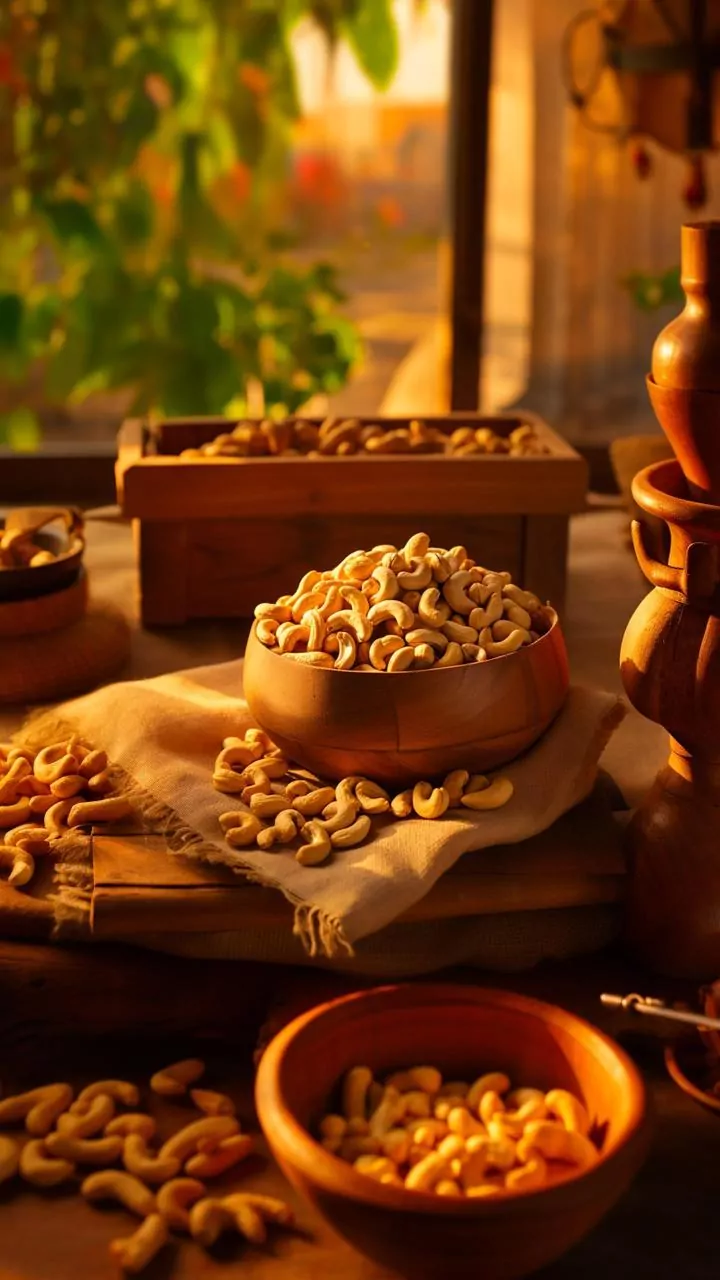
Once the domain of gym-goers and athletes, protein has officially gone mainstream in India. It has become a key consideration for everyday consumers, from office workers to busy parents. A recent survey found that a staggering 86% of respondents consider protein important when choosing a snack. This protein craze is fuelling a massive market boom, with everything from traditional foods to modern bars and drinks being fortified or marketed with a high-protein promise. The appeal is twofold: protein provides sustained energy and satiety, keeping hunger at bay for longer than carbohydrate-heavy options. This makes protein-rich snacks like Greek-style yoghurts, roasted chana, and nut mixes a practical choice for a busy day.
Cleaner Labels and Better Ingredients
Alongside the demand for protein is a growing insistence on 'clean labels' and transparent, high-quality ingredients. Consumers are increasingly wary of highly processed foods laden with artificial additives and refined sugars. There is a clear preference for natural alternatives, with a 2026 survey revealing that 61% of snackers prefer options sweetened with natural ingredients like jaggery or dates. Ingredient transparency is now a major factor in purchasing decisions, often outweighing celebrity endorsements. This has led to a resurgence of traditional Indian superfoods. Millets, once seen as rural staples, are now front and centre in modern snacks like crackers, puffs, and even protein bars. Similarly, roasted makhana (foxnuts) are being embraced as a crunchy, high-fibre alternative to fried potato chips and namkeen.
Convenience Remains King
While nutritional content is paramount, the demand for convenience has not waned. The modern Indian consumer needs snacks that fit seamlessly into a hectic schedule. This is where the new generation of products excels. The market is filled with ready-to-eat formats, from single-serving protein bars that can be tossed into a handbag to flavoured yoghurts and pre-packaged roasted snacks. This fusion of health and convenience represents the core of the new snacking pattern. It's about getting the nutrition you want in a format that your lifestyle demands. The rise of quick commerce platforms has further amplified this trend, making it possible to have a healthy, protein-rich snack delivered in minutes.