






The Hidden Value in Orange Peels
Before you dismiss the peel as bitter and inedible, consider what you're missing. Orange rinds are a potent source of plant compounds called polyphenols and contain significant amounts of vitamin C. In fact, just one tablespoon of orange peel offers a surprising
nutrient boost. The peel's essential oils also provide that concentrated, zesty orange flavour that is often more powerful than the juice itself. By preserving the rinds, you not only reduce kitchen waste but also capture these nutritional and aromatic benefits in a form you can enjoy for weeks or even months.
Start with Clean, Quality Oranges
Since you'll be eating the peel, it's crucial to start with clean fruit. If possible, opt for organic oranges to minimize your exposure to pesticides. Regardless of whether they are organic or conventional, all oranges should be washed thoroughly. Commercially grown citrus is often coated with a food-grade wax to prolong shelf life, which can trap residues underneath. A good scrub under warm water is a great start. For a more thorough clean, some experts suggest soaking the fruit in a solution of water and white vinegar before scrubbing. This helps to break down both wax and surface contaminants, ensuring your preserves are as pure as they are delicious.
Your First Project: Simple Candied Orange Peel
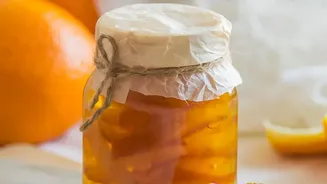
Candied orange peel is the perfect entry point into the world of citrus preserves. The process involves two key stages: blanching to remove bitterness and simmering in sugar syrup to preserve and sweeten. Start by slicing your cleaned peels into quarter-inch strips. To remove the bitterness from the white pith, place the peels in a pot of water, bring to a boil, and simmer for about 10-15 minutes, then drain. Many recipes recommend repeating this boiling and draining process up to three times for the best flavour. Once blanched, you'll make a simple syrup, typically using a ratio of about two parts sugar to one part water. Add the blanched peels to the simmering syrup and cook on low heat for 45 to 60 minutes, or until the peels become translucent and glassy. Finally, remove the peels with a slotted spoon and let them dry on a wire rack for several hours before rolling them in granulated sugar for a classic finish.
From Preserves to Quick Marmalade
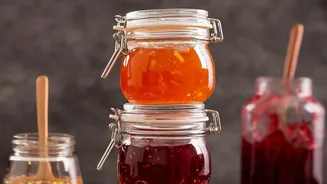
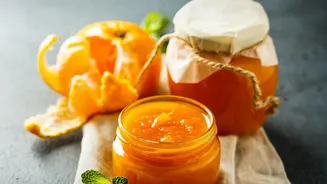
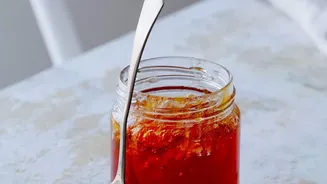
The skills you learn from candying peels can easily be adapted to make a quick, rustic marmalade. Instead of just using the peels, you can chop the entire fruit, discarding any seeds. Combine the chopped fruit, sliced peels, sugar, and a bit of lemon juice in a pot. The natural pectin found in the orange's membranes will help the marmalade set without needing commercial pectin. Simmer the mixture, stirring occasionally, until it thickens to a jam-like consistency, which usually takes around 40 to 60 minutes. This method is a wonderful way to use the entire orange, creating a rich, textured spread that’s perfect on toast, scones, or swirled into plain yogurt.
How to Enjoy Your Citrus Creations
Once you have a jar of sparkling candied peels or rich marmalade, the fun really begins. Dip your candied orange peels halfway in melted dark chocolate for an elegant treat known as orangettes. Chop them up and add them to scone dough, fruitcakes, or sprinkle them over ice cream. The leftover syrup from the candying process is liquid gold; don't throw it away! It can be used to sweeten teas, flavour cocktails, or be brushed over a cake as a glaze. Your homemade marmalade can be used in classic ways on toast, but it also works beautifully as a glaze for chicken or mixed into a salad dressing for a sweet and tangy kick.