

Choose the Right Extensions
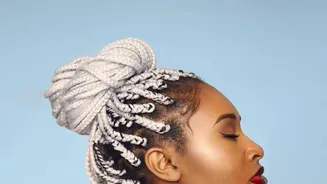
The foundation of a great braided style is the hair you use. For most braiding styles like box braids or cornrows, synthetic hair is the go-to choice. Kanekalon hair is a popular favourite because it's lightweight, has a texture that grips well during
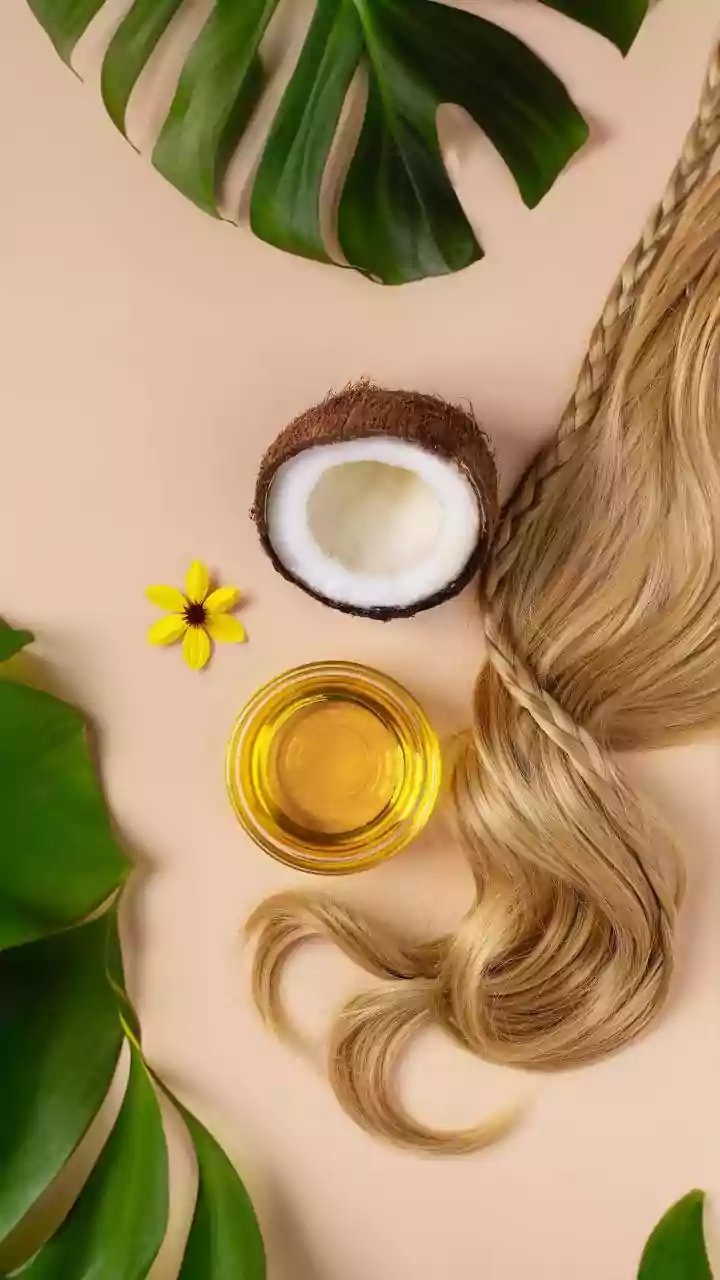
braiding, and can be easily sealed with hot water. You can also find pre-stretched hair, which saves you a preparation step and helps create a natural-looking tapered end. If you're aiming for a softer feel or a style with loose, curly ends like goddess braids, human hair is an excellent, albeit more expensive, option. When selecting a colour, you can match your natural hair for a seamless blend or choose a bold colour for a more expressive style.
Prepare Your Natural Hair
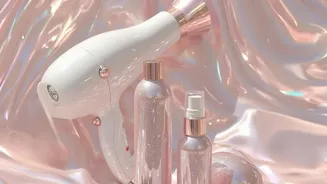
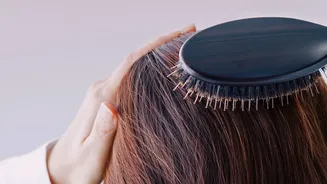
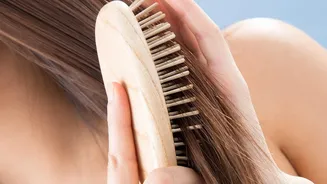
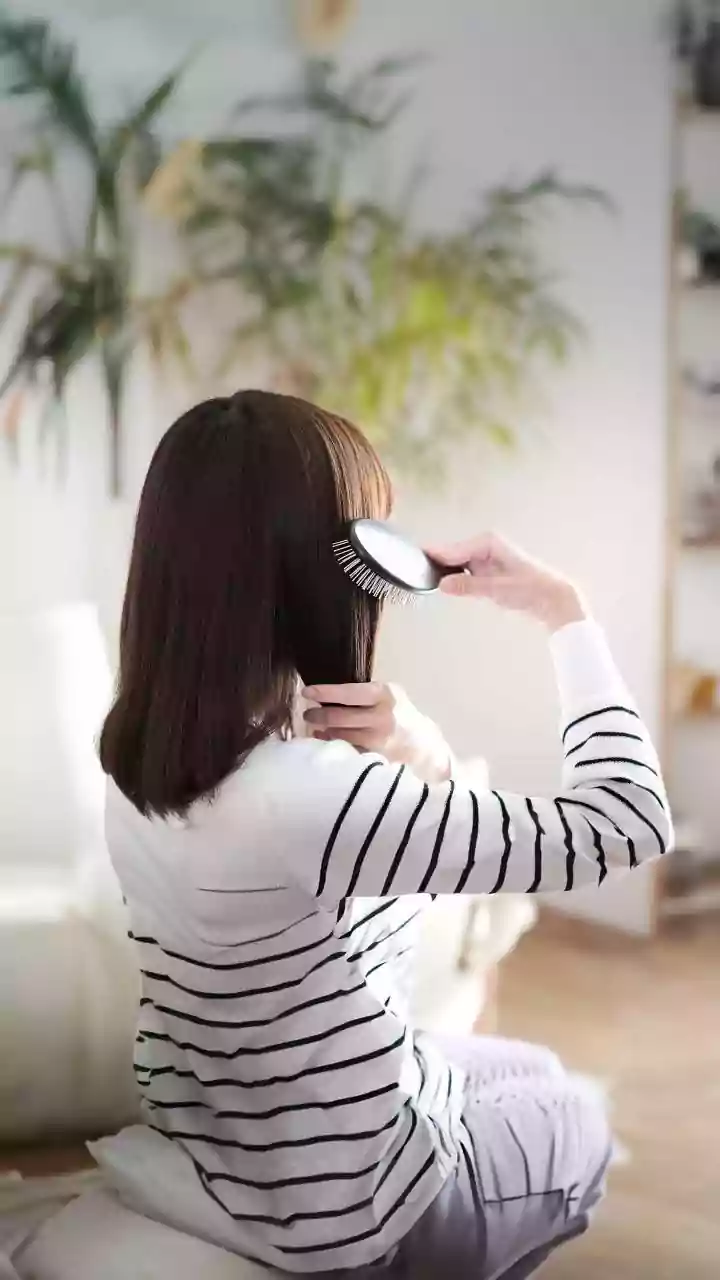
Proper prep work is non-negotiable for a long-lasting style and, more importantly, for the health of your hair. Start by washing your hair with a clarifying shampoo to remove any product buildup. Follow up with a deep conditioning treatment to ensure your strands are well-moisturised, as this will protect them from breakage under tension. Once your hair is clean and conditioned, you need to detangle it thoroughly with a wide-tooth comb, working from the ends up to the roots. Finally, for the smoothest braiding process, your hair should be stretched. You can achieve this by blow-drying it on a low heat setting or by putting it into large plaits or bands to air dry. A smooth base makes sectioning and braiding much cleaner.
Section Your Hair Neatly
Clean and precise sections are the key to a professional-looking finish. Use the end of a rat-tail comb to part your hair. The size of your sections will determine the size of your final braids. For classic box braids, aim for square-shaped sections about one to two inches wide. Use clips to keep the rest of your hair separated and out of the way while you work on one section at a time. Applying a small amount of styling gel or edge control around the border of each section can help to tame flyaways and create a neater appearance.
Mastering the Feed-In Technique
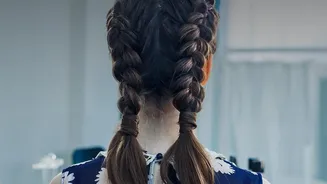
The feed-in method is the best way to achieve natural-looking braids that aren't bulky at the root. To begin, take a section of your natural hair and divide it into three strands. Start braiding your natural hair for two or three stitches first. Then, take a small piece of the extension hair, fold it in half, and 'feed' it into the braid by adding one half to the left strand and the other to the right strand of your braid. Continue braiding for a couple more stitches, incorporating the new hair. As you braid down, continue to add small pieces of extension hair every few stitches, gradually increasing the thickness of the plait. This gradual addition is what creates a seamless, natural taper and avoids the tension that can come from starting with a large, heavy knot of hair at the scalp.
Braid Down and Secure the Ends
As you continue braiding, try to maintain consistent and even tension. Your braids should feel secure, but not so tight that they cause pain or pull on your scalp. Once you have braided all the way down to the ends, you need to secure them to prevent unravelling. For synthetic Kanekalon hair, the most common method is to dip the ends into a cup of hot (not boiling) water for a few seconds. This will seal the fibres together. Be extremely careful when handling hot water. After dipping, gently pat the ends dry with a towel. For human hair extensions, you can secure the ends with a small, clear elastic band or by tying a knot.
Aftercare for Lasting Plaits
Your braiding journey doesn't end once the last plait is sealed. To maintain your style and protect your natural hair, proper aftercare is crucial. At night, wrap your hair in a silk or satin scarf or bonnet to reduce friction and prevent frizz. Keep your scalp moisturised by using a lightweight oil or a leave-in spray every few days. Be mindful not to leave your braids in for too long; most styles should be taken down after four to eight weeks to prevent matting and give your natural hair a rest. When you do take them down, be gentle and use a conditioner-and-water mix to help detangle.