





The Annual Ritual of Travel Roulette
It’s a scene played out in hostels and paying guest accommodations nationwide. The festival dates are announced, and a digital battle begins. Millions of students simultaneously log onto the IRCTC portal, hoping to secure a confirmed berth on a train
that will take them home for Diwali, Holi, Chhath Puja, or the summer break. Within minutes, most major routes are sold out, displaying waitlist numbers that climb into the hundreds. What follows is a period of anxiety, a reliance on the notoriously unpredictable 'tatkal' system, or pleading with parents to find an alternative, often more expensive, mode of travel. Many simply hope for the best, assuming that Indian Railways will, as they always do, announce special trains to handle the surge. This is where the fundamental mistake is made: treating these additional services as a last-minute lottery ticket rather than a core part of the travel strategy.
A Lifeline, Not a Lottery
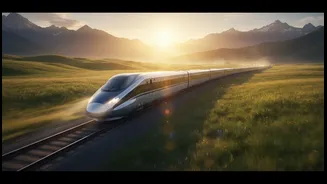
To cope with the immense demand during peak seasons, Indian Railways consistently operates thousands of special train services. For summer 2026 alone, a massive 18,000+ special train trips were planned, a significant increase from previous years. These trains are not an afterthought; they are a planned, systemic response to a predictable annual migration. Railway zones like Western, Central, and Northern Railways announce hundreds of services connecting major hubs like Mumbai, Delhi, Pune, and Ahmedabad to destinations across Uttar Pradesh, Bihar, West Bengal, and beyond. These announcements often come weeks, and sometimes months, in advance. The purpose of these trains is to provide additional capacity and ease the travel burden. However, by viewing them as a fallback option, many students miss the golden opportunity they represent.
Shift Your Mindset: The Planning Window
The announcement of special trains is not a signal to get lucky; it's a signal to get planning. This is the 'planning window'. Instead of waiting for regular train bookings to fill up and then hoping for a special service, the savvy student should actively anticipate and track these announcements. The moment a festival or holiday period is on the horizon, the focus should shift to monitoring official railway channels. Zonal railway social media accounts, press releases on the PIB website, and the National Train Enquiry System (NTES) are the primary sources for this information. Booking for these special trains often opens 60 days in advance. By being prepared—having IRCTC accounts ready, master lists of passengers saved, and payment methods sorted—students can book confirmed seats on these trains the moment they become available. This proactive approach transforms the travel experience from a game of chance into a deliberate, stress-free process.
How to Seize the Planning Window
First, identify your travel period well in advance. Don't wait for the week before your college closes. Second, start monitoring the right sources. Follow the official Twitter handles of the Ministry of Railways and zonal divisions like @WesternRly, @Central_Railway, etc. Third, be ready to act fast. Special train bookings can fill up quickly, though often not as instantaneously as the most popular regular trains. Having your details pre-saved on the IRCTC app or website can save crucial seconds. Fourth, be flexible. A special train might depart from a different station in the city (e.g., Dadar or LTT in Mumbai instead of CSMT) or at a less conventional time. This slight inconvenience is a small price to pay for a confirmed ticket and peace of mind. Finally, book your return journey at the same time. Many students focus entirely on getting home, only to find themselves stranded when it's time to return to college.