



A Return to Comfort and Wisdom
After years of chasing global superfoods and complex diet fads, a noticeable shift is happening in Indian kitchens. The focus is moving inward and backward—to the time-tested wisdom of our grandmothers. This monsoon, the trend is less about making grand,
scientific health claims and more about embracing the comfort and familiarity of traditional ingredients. The craving for a hot plate of pakoras or a steaming cup of masala chai is a cultural instinct. But beyond these indulgences, there's a growing appreciation for the daily meals that have always defined the season: light, warm, and easy to digest. This trend celebrates foods that make us feel good in a simple, honest way, without the pressure of a restrictive wellness regimen. It’s a move towards intuitive eating, guided by cultural memory and the body’s natural response to the damp, cool weather.
The Monsoon Plate: What’s Back in Favour
Ayurveda has long advised that the digestive fire, or 'agni', is weaker during the rainy season, making it a time for light, cooked meals. This ancient principle is finding new life in modern food trends. The hero of the season is the humble khichdi, a one-pot meal of rice and lentils (especially moong dal) that is easy to digest and deeply nourishing. Millets like jowar and rajgira are also gaining popularity as replacements for some of the rice in dishes like khichdi, adding extra protein. Seasonal vegetables such as bottle gourd (lauki), pumpkin, and pointed gourd are being celebrated in simple stir-fries and soups. The key is to consume foods that are freshly prepared and warm, avoiding raw salads and cold items that can be hard on the digestive system and carry a higher risk of contamination during this season.
Spices as a Gentle Shield
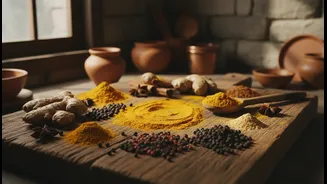
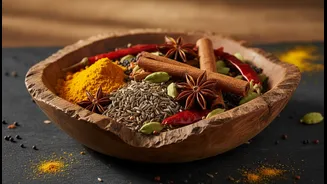
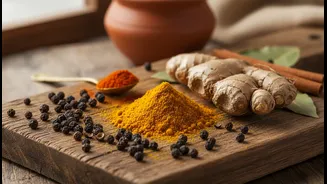
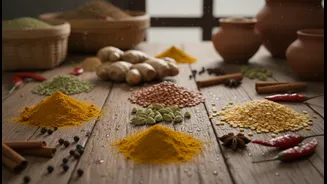
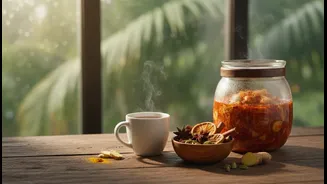
Indian spices have always been more than just flavouring agents; they are a cornerstone of traditional wellness. During the monsoon, their warming and digestive properties become particularly important. Ginger, turmeric, and black pepper are the season's superstars. Ginger is renowned for aiding digestion and soothing sore throats, while turmeric is valued for its anti-inflammatory properties. When paired together, especially with black pepper which dramatically increases the absorption of turmeric's active compound, curcumin, this trio becomes a gentle support system for the body. Spices like cinnamon, cloves, cumin, and ajwain (carom seeds) are also used generously to add warmth, stimulate digestion, and help the body cope with the humidity and increased risk of infections.
Modern Twists on Traditional Favourites
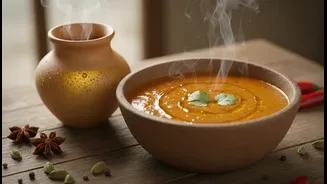
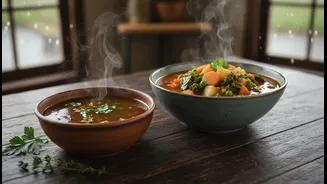
This embrace of tradition doesn't mean a complete rejection of the new. Instead, many are finding creative ways to make classic monsoon foods healthier and more convenient. The beloved pakora, for instance, is being reimagined. Instead of deep-frying, people are using air fryers or baking them, often with a mix of vegetables and greens in the besan batter. Steamed snacks like khaman and dhokla are also popular choices, being light and easy on the stomach. Roasted corn on the cob (bhutta), a monsoon street-food classic, is easily made at home on a gas flame, ensuring it's fresh and hygienic. Even simple soups, like a tomato rasam or a mixed vegetable broth seasoned with Indian spices, are being served as comforting, light meals. These modern adaptations preserve the soul of monsoon food while aligning with a desire for healthier habits.
Why We're Tired of Big Health Claims
Perhaps the most significant aspect of this trend is what it's moving away from: the culture of exaggerated health claims. Consumers are increasingly wary of buzzwords like 'detox' and 'miracle cure'. The focus on traditional ingredients represents a shift towards authenticity and sustainability. It acknowledges that wellness isn't about a single exotic berry or a punishing juice cleanse. Instead, it’s found in the balanced, seasonal eating patterns that have been refined over centuries. Nutritionists and health experts are also championing this approach, advising people to stick to homemade food and time-tested recipes. This trend is a quiet rebellion against the noise of the global wellness industry, finding strength and reassurance in the familiar flavours of home.