







A Monsoon in Deficit
The 2026 southwest monsoon, which officially concluded on September 30, has left the agricultural sector on edge. The country as a whole recorded a rainfall deficit of about 13%, making it the weakest monsoon season in over a decade. This national average,
however, hides severe regional disparities. The southern peninsula and the northeast experienced significant shortfalls, with rainfall roughly 24% below normal levels. These erratic weather patterns, influenced by strengthening El Niño conditions, are a primary driver of concern for the ongoing kharif harvest. While July saw a brief period of normal rainfall, the overall season was marked by prolonged dry spells, impacting soil moisture and crop health just as sowing was underway.
The Sowing Story
Rainfall directly influences farmers' decisions during the kharif sowing season. Early data in July 2026 pointed to a significant lag in the area sown with pulses, down by over 15% compared to the previous year. While sowing picked up in August, helping to close the gap, the final figures still paint a mixed picture. As of late September, the total area under pulses showed a marginal increase of about 2% over last year, driven by higher acreage in states like Uttar Pradesh. However, this doesn't guarantee a bumper crop. Key pulse-growing states like Maharashtra and Karnataka, which together account for the majority of India's tur dal production, have faced significant rainfall deficits, raising serious questions about crop yields.
All Eyes on Tur and Urad
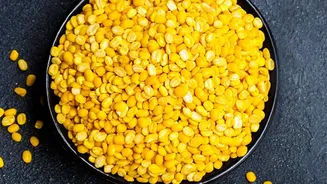
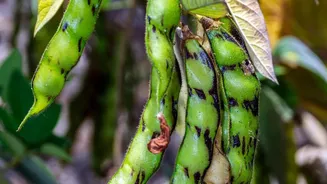
Within the pulse basket, the focus is sharply on tur (arhar) and urad, two of the country's most consumed dals. While the overall area sown under pulses saw a slight increase, the situation for tur has been precarious. This particular pulse is highly dependent on monsoon rains, and the dry conditions in Maharashtra and Karnataka are a major cause for alarm. Even before the final harvest numbers are in, the market has reacted. Wholesale and retail prices for tur dal have already been climbing steadily through September, reflecting traders' concerns about the upcoming supply. In some markets, retail prices have reportedly crossed Rs 180 per kg, a clear signal of the supply pressures building in the system.
What This Means for Your Wallet
The combination of weak monsoon rains and uncertain yields is a classic recipe for food inflation. Pulses are a cornerstone of the Indian diet and a primary source of protein for millions. Any significant shortfall in domestic production invariably leads to a price pinch for consumers. Economists are now watching the situation closely, with some predicting that food inflation could cross 7% by October and remain elevated for the rest of the financial year. India's annual consumption of tur is estimated to be around 45-47 lakh tonnes, and a domestic production shortfall would increase the country's reliance on imports to meet demand, a costly affair further complicated by a weaker rupee.
The Government on Alert
The government is actively monitoring the situation to prevent a price spiral. To manage domestic availability, duty-free imports for tur and urad have been permitted until March 2027. Furthermore, there are reports that the government is considering lowering import duties on other pulses like lentils and yellow peas to bolster supplies and cool down prices. Another key strategy involves managing the country's buffer stocks. Earlier in the year, recommendations were made to halt the open market sale of pulses from government reserves to ensure adequate availability for the coming months. These measures are designed to act as a cushion, absorbing the shock of a potentially lower domestic harvest and stabilising the market before the festive season, when demand typically rises.