



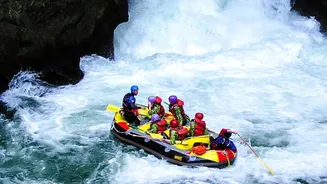
Understanding Late-Monsoon Rafting
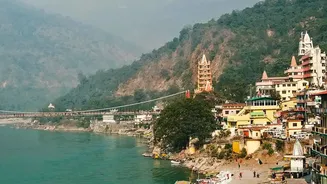
The typical rafting season in Rishikesh runs from September to June, pausing during the peak monsoon months of July and August when the river is dangerously high and unpredictable. Late September, as the monsoon recedes, marks the exhilarating reopening
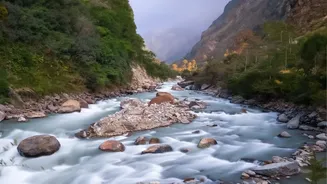
of this adventure sport. The river, still charged from the rains, offers faster currents and more formidable rapids than in the drier seasons. This post-monsoon period provides a unique blend of high-octane thrills and lush, vibrant scenery. However, the water levels are still higher than usual, meaning rapids graded II or III in summer might feel more powerful, demanding extra caution, especially from beginners.
Choose a Certified Operator
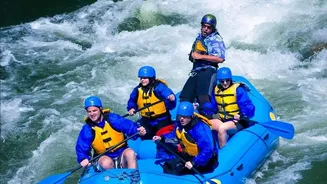
Your safety on the river begins before you even touch the water. The single most important decision you'll make is choosing a reputable, licensed rafting operator. Look for companies registered with the Uttarakhand Tourism Development Board. Certified operators provide experienced, trained guides skilled in water rescue and first aid, use high-quality, well-maintained equipment (rafts, life jackets, helmets), and conduct thorough safety briefings before every trip. While it might be tempting to go with a cheaper, unlicensed vendor, they often compromise on safety standards, a risk not worth taking. Check online reviews and ask about their safety record before booking.
Dress for Success, Not the Street
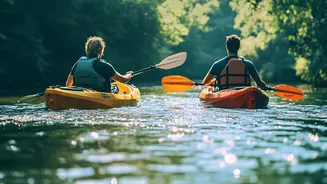
What you wear can significantly impact your safety and comfort. The golden rule is to avoid cotton at all costs. Cotton absorbs water, becomes heavy, and will make you cold. Instead, opt for quick-drying synthetic materials like polyester or nylon. A T-shirt and shorts or leggings are ideal. For footwear, choose secure sandals with a backstrap, water shoes, or old sneakers—absolutely no flip-flops, which will be lost to the first rapid. Also, leave valuables like jewelry, watches, and non-waterproof electronics at your hotel.
Listen to Your Guide—Always
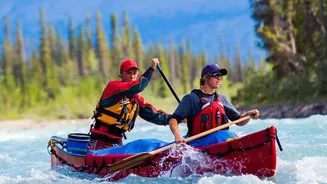
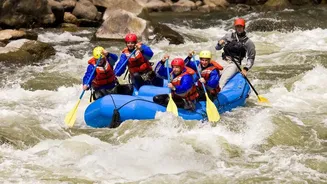
The pre-rafting safety briefing is not optional. Pay close attention. Your guide will explain essential paddle commands, what to do if the raft hits a big wave, and, crucially, how to react if you fall into the river. They are professionals who know the Ganga’s currents and rapids intimately. On the water, listen for their commands—like "forward paddle" or "get down"—and react quickly. Team coordination is key to navigating rapids successfully. Ignoring the guide’s instructions endangers not only you but everyone else in the raft.
The 'What If I Fall Out?' Plan
Falling out of the raft can be startling, but it doesn’t have to be dangerous if you know the drill. First, don't panic. Your life jacket, which you must wear snugly at all times, will keep you afloat. The correct self-rescue position is to float on your back with your feet pointed downstream. This allows your legs and feet to absorb any impact from rocks. Keep your head up and look toward your raft or the safety kayaker. Do not try to stand up in fast-moving water, as your foot could get trapped. Swim towards the raft or the rescue rope thrown to you only when instructed by your guide.
Know Your Limits
Rishikesh offers various rafting stretches with different difficulty levels, from Grade I (mild) to Grade V (extreme). For first-timers, especially in the powerful post-monsoon flow, it's wise to stick to beginner-friendly stretches like the Brahmapuri to Rishikesh route (9 km), which features mainly Grade I and II rapids. More popular routes like Shivpuri to Rishikesh (16 km) include exciting Grade III and IV rapids like Roller Coaster and Golf Course, which are thrilling but require more physical paddling and mental readiness. Be honest about your fitness level and comfort in the water. It is also strictly advised not to consume alcohol or drugs before rafting.