



The Magic of One Pot
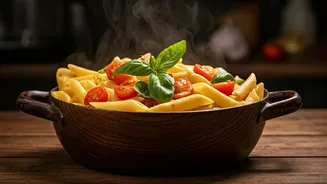
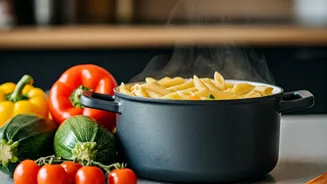
The beauty of a one-pot pasta is its elegant simplicity. As the pasta cooks, it releases starches directly into the surrounding liquid—be it broth, water, or a tomato base. This starchy water is culinary gold; it emulsifies with the other ingredients
to create a silky, flavourful sauce that clings perfectly to every noodle. There's no need to boil pasta separately or drain away all that starchy goodness. Everything from the aromatics to the final flourish of cheese comes together in one vessel, meaning less time washing dishes and more time enjoying your creation. This method is incredibly versatile and perfect for using up leftover vegetables you have on hand.
A Blueprint for Perfection
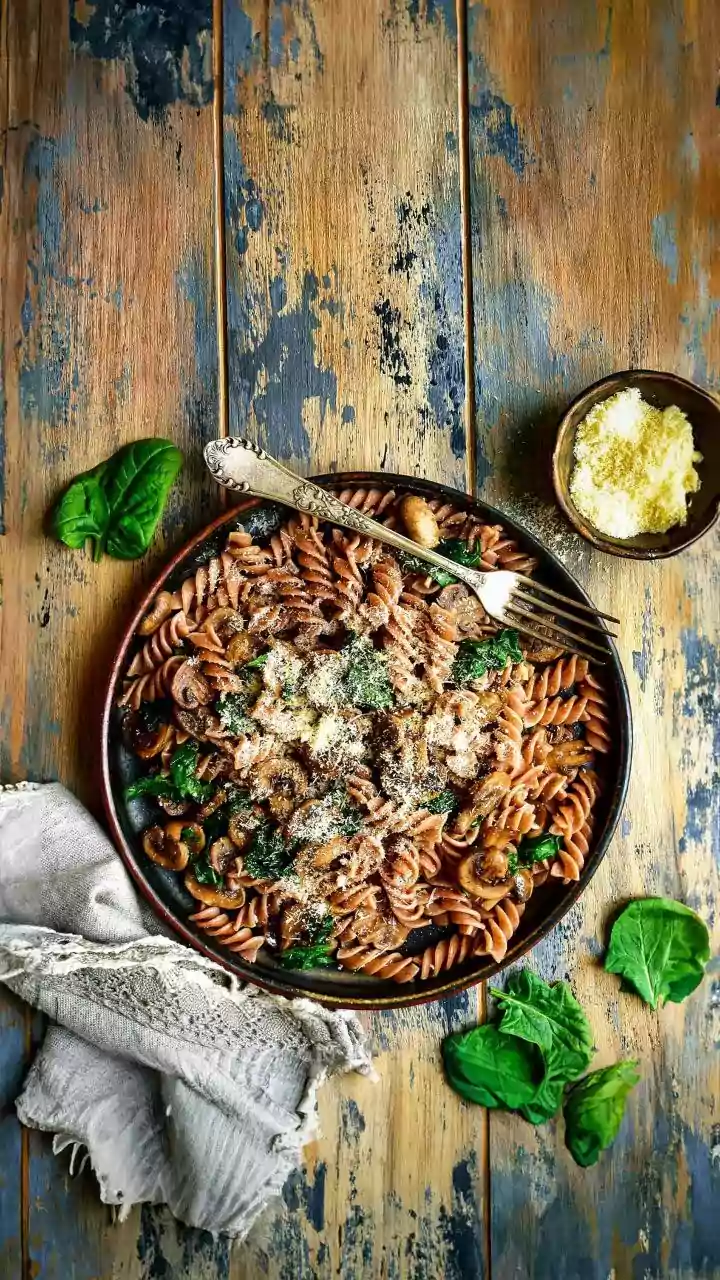
While endlessly customizable, a great one-pot veggie pasta follows a simple formula. You'll need uncooked pasta, a flavorful liquid, aromatics, your chosen vegetables, and some final touches to bring it all together. For a foundational recipe that serves about four, gather the following: 250g of a short pasta like penne or rotini, about 4-5 cups of liquid (a mix of vegetable broth and a 24 oz jar of pasta sauce works well), one onion, two cloves of garlic, and about four cups of chopped vegetables. Olive oil, dried Italian herbs like oregano and basil, and salt and pepper are essential for building flavour from the start. For a creamy finish, consider adding parmesan cheese or a splash of heavy cream at the end.
Step-by-Step to a Delicious Dinner
Begin by heating a tablespoon or two of olive oil in a large pot or Dutch oven over medium heat. Sauté your hardier aromatics first, like a diced onion, until softened, which takes about five minutes. Then, add minced garlic and cook for another minute until fragrant. Now, it’s time to add the main components: the uncooked pasta, vegetable broth, and pasta sauce. Season with dried herbs, salt, and pepper, and stir everything together. Bring the mixture to a boil, then reduce the heat to a simmer. Cover the pot and let it cook, stirring occasionally to prevent sticking, for the time specified on your pasta package, usually around 10-15 minutes. The pasta is done when it's tender (al dente) and most of the liquid has been absorbed into a beautiful sauce.
Choosing and Timing Your Vegetables
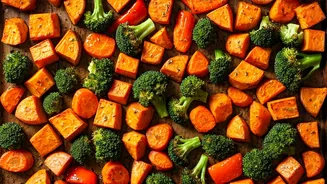
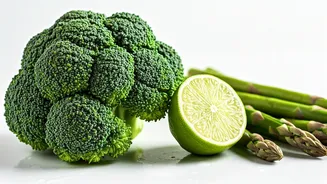
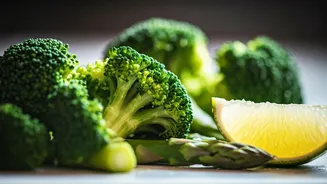
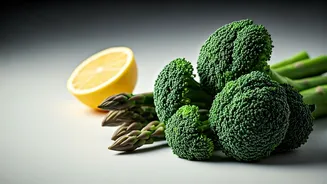
The key to perfectly cooked vegetables in a one-pot pasta is timing. Not all vegetables cook at the same rate. Harder vegetables that need more time, like carrots, should be finely chopped and can be sautéed at the beginning with the onions. Medium-density vegetables like broccoli florets, bell peppers, mushrooms, and zucchini can be added about halfway through the pasta's cooking time. This ensures they become tender without turning to mush. Delicate, quick-cooking vegetables like spinach or halved cherry tomatoes should be stirred in during the last few minutes of cooking, as they only need a little heat to wilt or soften.
Pro Tips for Flawless Results
To guarantee success, keep a few things in mind. First, use a large, heavy-bottomed pot to ensure even heat distribution and prevent scorching. Stirring is crucial, especially as the sauce thickens, to stop pasta from sticking to the bottom of the pot. Don't be afraid to adjust the liquid. If your pasta seems dry before it's fully cooked, add an extra splash of broth or water. Conversely, if it looks too watery at the end, let it simmer for a few extra minutes with the lid off to reduce the sauce. Finally, always taste and adjust the seasoning before serving. A final drizzle of olive oil or a sprinkle of fresh basil or parmesan can elevate the entire dish.