





Understanding the Bharat Brand Initiative
In an effort to shield consumers from persistent food inflation, the central government launched the 'Bharat' brand. This initiative offers key kitchen staples like rice, wheat flour (atta), and lentils (dal) at prices significantly lower than the open
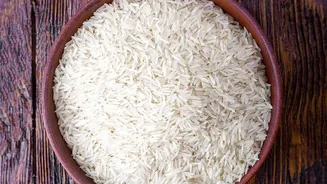
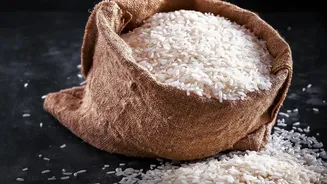
market. For instance, Bharat Rice is sold at a subsidised rate of Rs 29 per kg, while Bharat Atta is available for Rs 27.50 per kg. This direct intervention helps manage household expenses for many families who may not be covered under other food security schemes but are still impacted by rising costs. The products are procured by the government and distributed through a network of specific agencies, ensuring a steady supply at controlled prices.
What's New in the Latest Release?
The 'Bharat' brand is not a static program; it evolves based on market conditions and consumer needs. Initially launched with items like Chana Dal, the government expanded the portfolio to include Bharat Atta and, more recently, Bharat Rice in early 2024 to counter a 15% year-on-year hike in rice prices. The program has seen different phases, with reports indicating it sometimes pauses when market prices stabilise and resumes ahead of festive seasons or when inflation spikes, as seen with the planned re-introduction in July 2026. The latest developments have also seen the portfolio expand further to include more varieties of pulses like Masur Dal and Chana Whole, giving consumers more options for affordable protein sources. This continuous expansion is the 'latest release' that makes tracking availability crucial.
Why Tracking Availability Is Worth Your Time
The savings are substantial. Compared to other brands that might sell atta for around Rs 50 per kg and rice from Rs 40 to over Rs 100 per kg, the Bharat brand offers a direct and significant reduction in a family's monthly grocery bill. However, availability can be inconsistent. The distribution is handled by specific cooperative agencies and is often done through mobile vans and a limited number of fixed outlets. This means that unlike regular brands, you can't assume your local kirana store will have it in stock. Sometimes the products sell out quickly due to high demand. Knowing where and when these items will be available in your locality is key to actually benefiting from the subsidised prices.
Your Guide to Finding Bharat Staples
So, how can you track and purchase these items? The primary distribution channels are the retail outlets and mobile vans operated by three main agencies: NAFED, NCCF, and Kendriya Bhandar. Here’s a practical guide:
1. Mobile Vans: The government has deployed hundreds of mobile vans across the country to reach consumers directly in their neighbourhoods. Keep an eye out for announcements from official government sources or local news about the routes and schedules of these vans in your city.
2. Cooperative Outlets: Visit the physical stores of Kendriya Bhandar, NAFED, and Safal. These are the main fixed points of sale for Bharat brand products.
3. E-commerce Platforms: The government has been working to make Bharat Atta and Rice available on major online grocery platforms like Zepto and BigBasket. This is a convenient option for those who prefer to shop online. Check these apps regularly and search for "Bharat Rice" or "Bharat Atta" to see if they deliver to your location.
4. Major Retail Chains: There have been discussions about partnering with large retail chains to widen the distribution network. It is worth checking the grocery sections of major supermarkets, as they may start stocking these products.