






The Promising Memory Connection
Recent research has highlighted a fascinating connection between regular peanut consumption and cognitive function in older adults. One study, published in the journal 'Clinical Nutrition', found that healthy adults who ate about 60 grams of skin-roasted
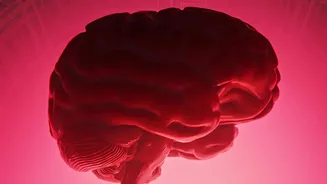
peanuts daily for 16 weeks showed tangible improvements. Specifically, they saw a boost in verbal memory, correctly recalling more words from a list after a delay. The research, conducted at Maastricht University Medical Centre, also used advanced MRI scans to reveal a significant increase in blood flow to the brain—a key indicator of vascular health. Another study noted improvements in the brain's insulin responsiveness, which is crucial for helping nerve cells communicate and grow.
Why Peanuts? A Nutritional Breakdown
The cognitive benefits of peanuts are not magic; they are rooted in their dense nutritional profile. Peanuts are rich in several compounds that are known to support brain health. One key player is resveratrol, an antioxidant also found in grapes, which is believed to improve blood flow to the brain. This enhanced circulation may help reduce the risk of stroke and improve abilities like processing new information and retrieving words. Additionally, peanuts are a good source of niacin (Vitamin B3) and Vitamin E, both of which have been linked to slowing age-related cognitive decline and protecting against conditions like Alzheimer's disease. The amino acid L-arginine in peanuts also helps the body produce nitric oxide, a molecule that relaxes blood vessels, further contributing to better circulation throughout the body and brain.
Behind the Research Methods
The studies exploring these benefits were designed to be rigorous. For example, the Maastricht University study was a randomized, controlled crossover trial—a high standard in clinical research. It involved 31 healthy participants with an average age of 67. One group consumed 60 grams of peanuts daily for 16 weeks, while a control group did not. After a 'washout' period where no one ate peanuts, the groups swapped roles. This design allows researchers to compare the effects of peanut consumption within the same individuals, strengthening the findings. It is important to note, however, that these were small studies, and experts caution against viewing peanuts as a single cure for cognitive decline. Instead, they are best seen as part of an overall healthy dietary pattern.
The Critical Allergy Reminder
For all the potential benefits, it is absolutely critical to remember that peanut allergies are common and can be life-threatening. An allergic reaction occurs when the immune system mistakenly identifies peanut proteins as a threat, triggering symptoms that can range from mild skin reactions like hives to severe, life-threatening anaphylaxis. Symptoms of anaphylaxis can include difficulty breathing, swelling of the throat, a severe drop in blood pressure, dizziness, and loss of consciousness. This is a medical emergency that requires immediate attention. Even a mild initial reaction can precede a more severe one later, so anyone with a known or suspected peanut allergy should avoid them entirely. The promising results of these memory studies do not change this fundamental health risk.
Portion Size and Healthy Choices
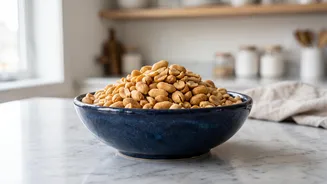
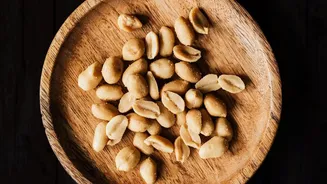
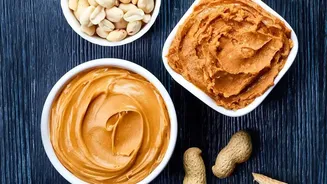
Even for those without allergies, moderation is key. The studies used specific amounts, and it is easy to overeat this calorie-dense snack. A sensible daily portion is generally considered to be a small handful, or about 28-30 grams. This provides the nutritional benefits without adding excessive calories. Overconsumption can lead to unwanted weight gain and digestive discomfort. When choosing peanuts, opt for unsalted and skin-roasted varieties where possible, as the skins contain many of the beneficial bioactive compounds like resveratrol. Many commercially available peanut butters and salted peanuts contain high levels of added salt and sugar, which can counteract the health benefits. As with any food, mindful consumption is the best approach.