


Embracing the ‘Secret Season’
For years, tourism in Assam followed a predictable calendar, peaking in the cool, dry winter months. The monsoon, from June to September, was traditionally seen as a time of floods and impassable roads, a period to be avoided. However, this perception
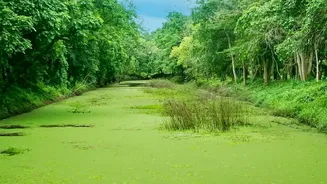
is shifting. A growing number of eco-conscious travellers are realising that this “off-season” is actually Assam’s ‘secret season’. It’s a time when the state’s natural beauty is at its most dramatic and its soul most accessible. Choosing to travel during this quieter period is a sustainable act in itself. It helps distribute the economic benefits of tourism more evenly throughout the year, supporting local communities that might otherwise see their income dry up for months. This philosophy of mindful travel aligns perfectly with the experience Assam offers when the rains arrive.
Beyond the Big Parks
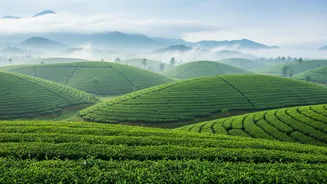
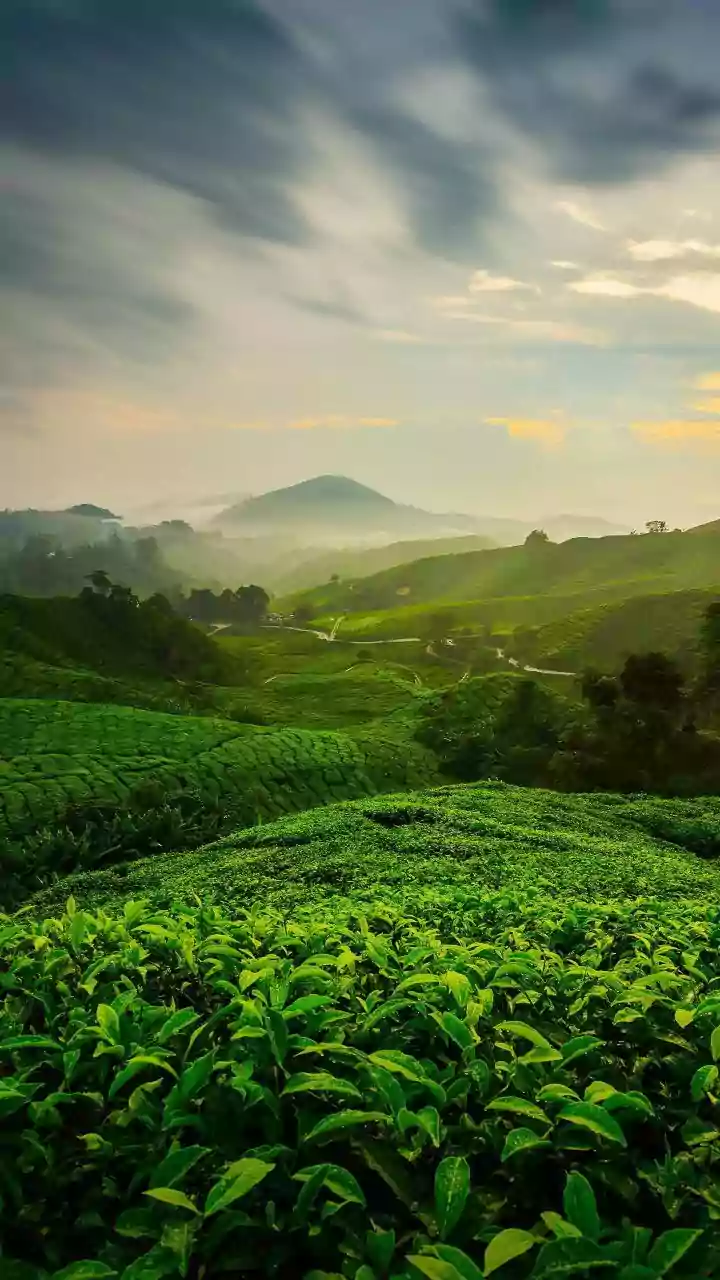
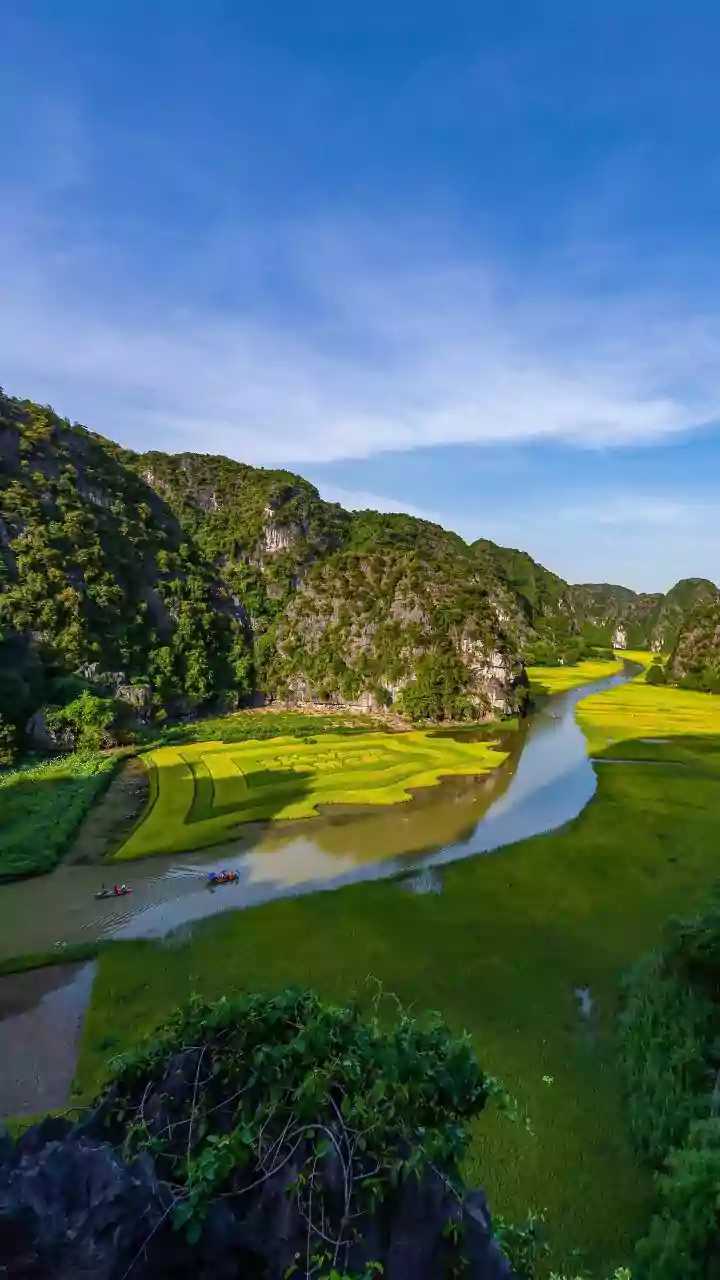
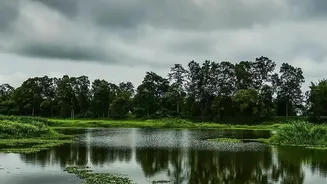
Monsoon travel in Assam requires a shift in focus. Major wildlife hubs like Kaziranga National Park and Manas National Park are typically closed due to flooding, a necessary natural cycle that rejuvenates the ecosystem. Instead of rhino sightings, travellers are discovering other wonders. The state’s vast tea estates become a breathtaking sea of green, their leaves washed clean by the rain. Hill stations like Haflong offer misty, cloud-covered vistas, while the world’s largest river island, Majuli, takes on a serene, floating quality. Lesser-known wildlife sanctuaries such as Pobitora, with its dense rhino population, and Dibru-Saikhowa, a wetland paradise, often remain partially accessible and offer unique monsoon experiences like boat safaris.
The Heart of Sustainable Tourism
The rise of monsoon travel is deeply connected to Assam's burgeoning community-based tourism scene. Travellers are increasingly seeking authentic connections, which they find in locally-run homestays and eco-lodges. These establishments, often built in traditional styles, offer more than just a place to stay. They provide a genuine cultural exchange, allowing guests to experience local life, savour home-cooked meals, and learn about the customs of communities like the Bodo, Mishing, and Singpho people. Government schemes like 'Amar Aalohi' are further empowering local communities to create sustainable livelihoods through tourism. By choosing these homestays, travellers ensure their money directly supports the local economy and incentivises the preservation of both the natural environment and cultural heritage.
A Slower, More Soulful Pace
Monsoon travel is not for those with a frantic checklist of sights to see. It is an invitation to slow down and immerse oneself in the rhythm of the season. Days are shaped by the weather, encouraging visitors to linger over a cup of hot chai, watch the Brahmaputra River swell, or listen to the sound of rain on a tin roof. It’s a time for reading, reflection, and conversation. In places like Sivasagar, the ancient monuments of the Ahom kingdom appear more mystical against grey skies. In Guwahati, temples like Kamakhya feel deeply spiritual amidst the downpour. This slower pace allows for deeper connections—with nature, with the local culture, and with oneself. It is a more introspective and ultimately more rewarding way to experience a place.
A Journey of a Different Kind
The eco-conscious traveller understands that sustainability is about more than just environmental impact; it's about cultural and economic resilience. By visiting Assam during the monsoon, they are making a powerful choice. They are reducing the strain of over-tourism during peak season, supporting local families when they need it most, and discovering a side of Assam that is raw, authentic, and breathtakingly beautiful. It challenges the conventional wisdom of when and how to travel, proving that the most memorable journeys are often found on the path less trodden. The monsoon charm of Assam is not just in its verdant landscapes, but in the opportunity it presents for a more thoughtful and meaningful kind of travel.